Eighth Colloquy: Bangue
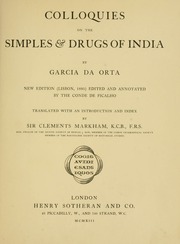
A sixteenth-century Portuguese-Goan discussion of bangue, or bhang, describing cannabis preparations in South Asia, their relation to opium, and accounts of intoxication, appetite, laughter, sleep, and imaginative travel.

A sixteenth-century Portuguese-Goan discussion of bangue, or bhang, describing cannabis preparations in South Asia, their relation to opium, and accounts of intoxication, appetite, laughter, sleep, and imaginative travel.
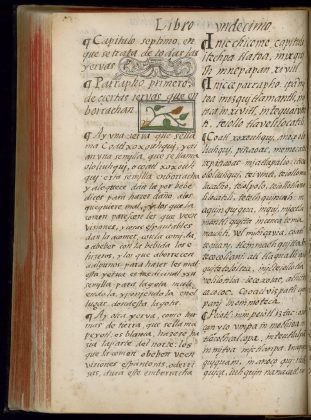
Sahagún’s Book 11 on herbs that intoxicate
Spanish entries from Book 11 of the Florentine Codex, the encyclopedia of Nahua life compiled by Bernardino de Sahagún and Nahua scholars at Tlatelolco around 1577. They describe ololiuhqui, peyotl, tlapatl, mixitl, and teonanácatl, plants and mushrooms that cause intoxication or visions, with an English translation made for the archive.
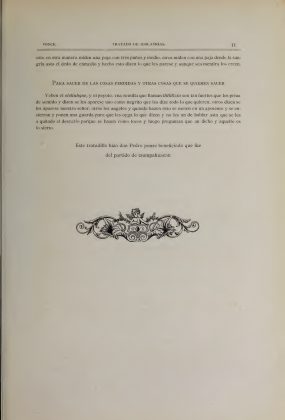
Colonial anti-idolatry texts on divination, healing, and visionary plants
A set of Spanish colonial anti-idolatry excerpts describing ololiuhqui and peyote as oracular substances used in healing, theft investigation, divination, and diagnosis of sorcery. The source preserves rare early descriptions of visionary plant practice while also showing how clerical authorities criminalized and demonized Indigenous ritual knowledge.