Sources in this era
4 results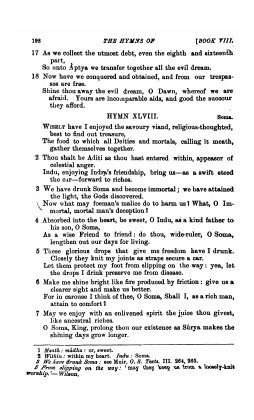 c. 1500-1000 BCE; translation 1897
Soma Hymns in the Rigveda
Ralph T. H. Griffith · Source
Two selected Rigvedic hymns to Soma: RV 8.48, the famous hymn of drinking soma and becoming immortal, and RV 9.113, a Soma Pavamana hymn asking to be placed in deathless worlds of light, delight, and fulfilled desire.
ReligionPsychoactive Plants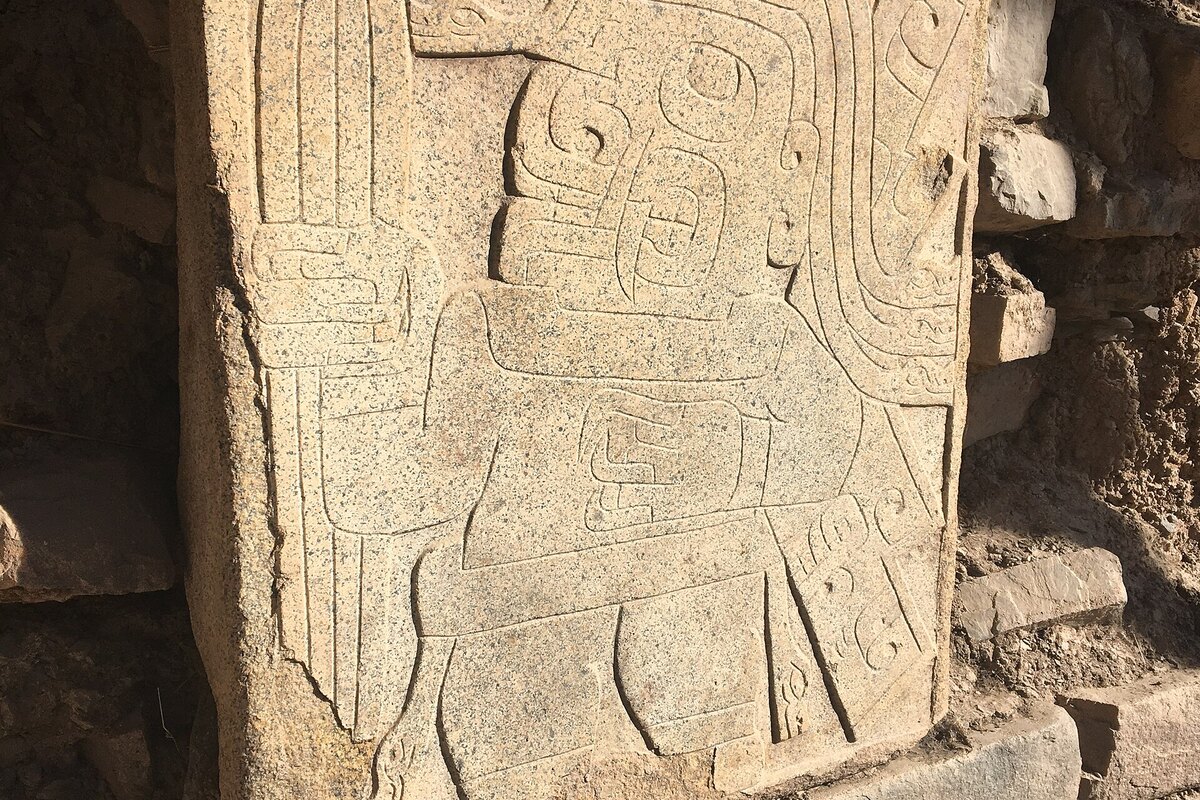 ca. 1200-500 BCE
Chavin de Huantar
The Psychedelic History Archive · Archaeological Site
A concise archaeological site entry on Chavin de Huantar as a ceremonial center where architecture, controlled movement, sound, San Pedro imagery, and direct evidence for vilca and Nicotiana snuff formed part of institutionalized ritual practice.
SoundArchitectureVisual Culture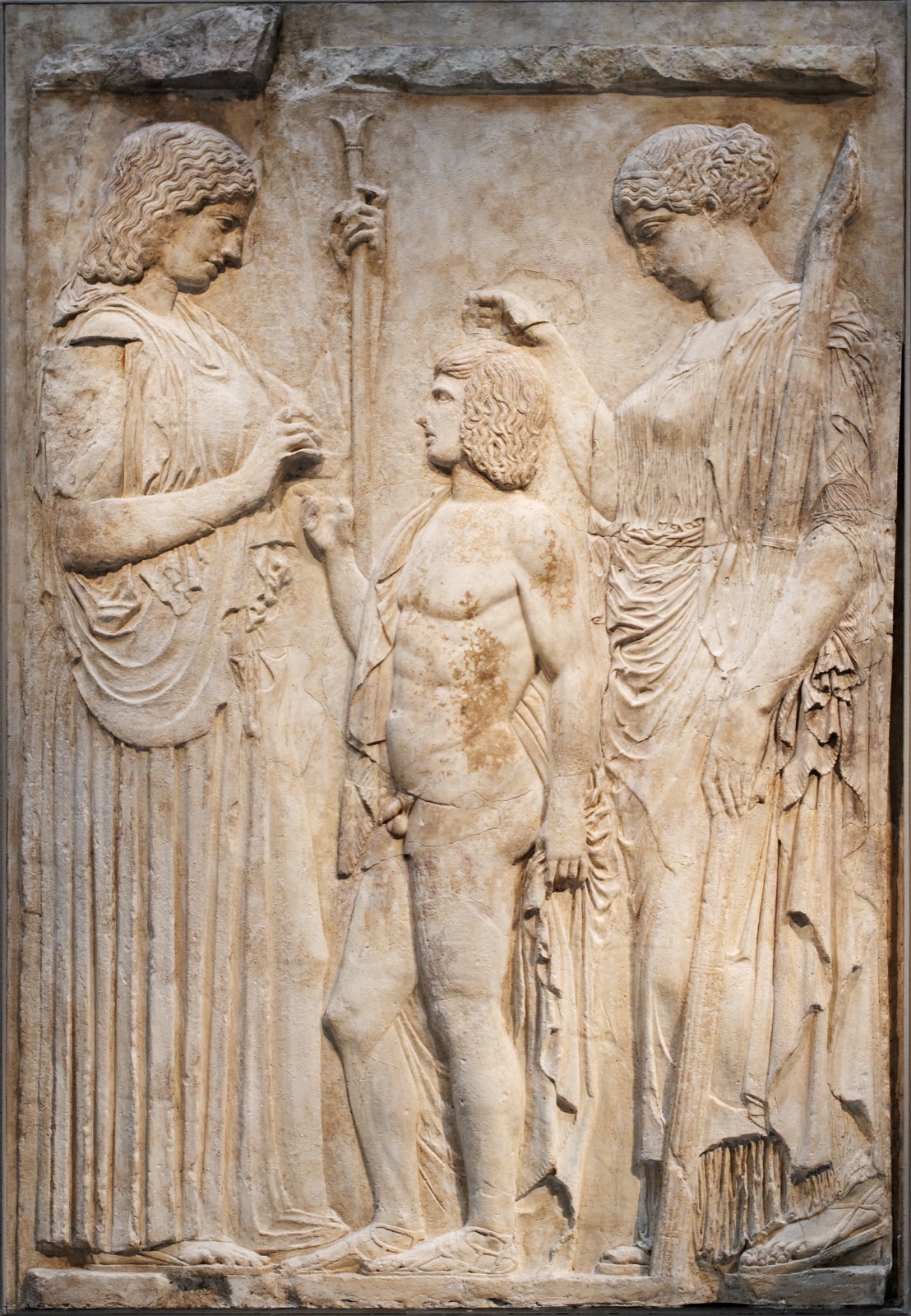 c. 650–550 BCE (this translation published 1914)
Hymn to Demeter
Homer · Ancient Text
The Homeric Hymn to Demeter (7th-6th century BCE) is the founding myth of the Eleusinian Mysteries. Disguised as an old woman, Demeter drinks kykeon (barley meal, water, and mint) and later teaches the Eleusinians the 'awful mysteries.'
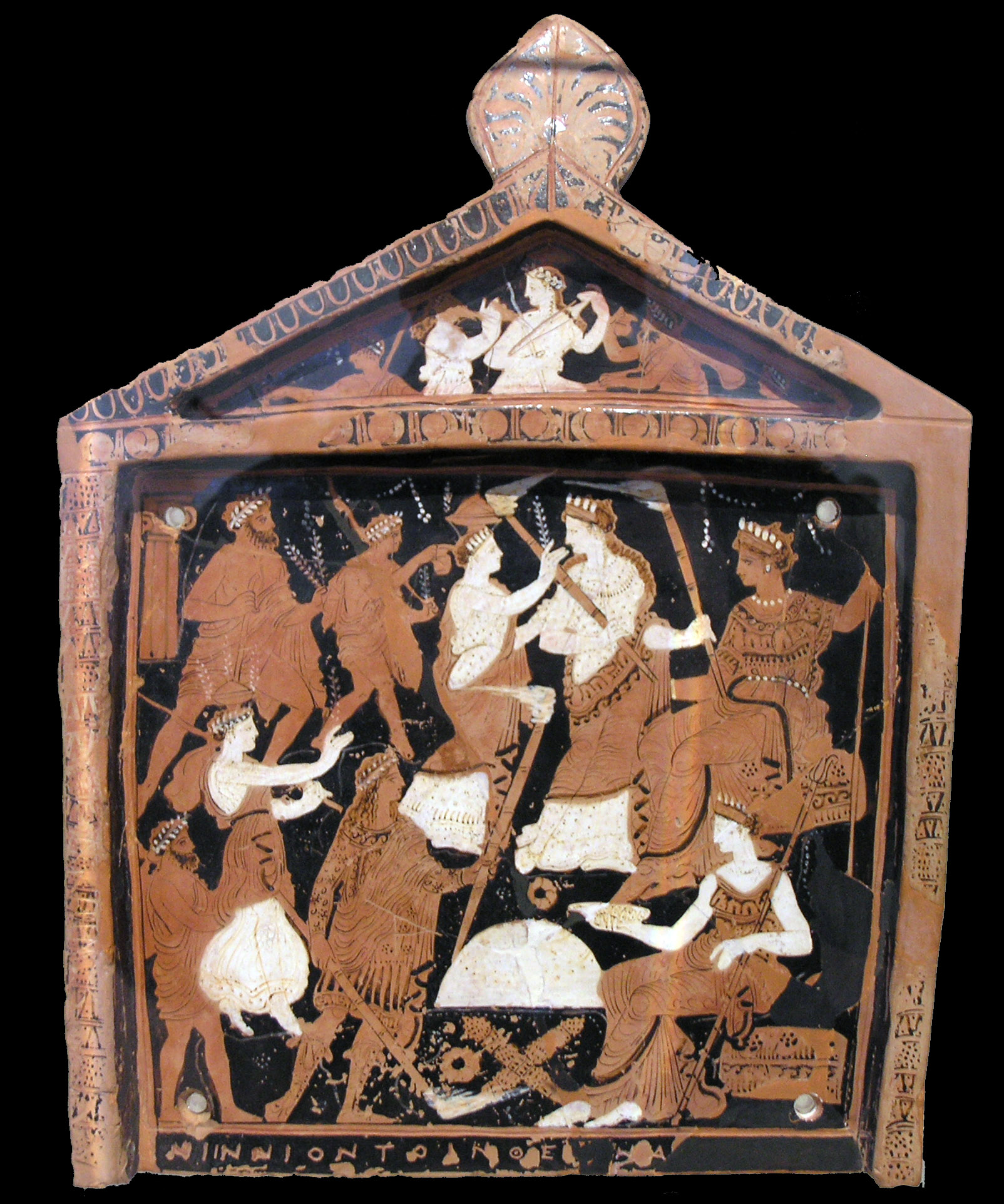 c. 195 CE (this translation 1867/1885)
Exhortation to the Greeks, ch. II
Clement of Alexandria · Ancient Text
Clement of Alexandria's chapter from his Exhortation to the Greeks (c. 195 CE), exposing Greek mystery religions including the Eleusinian rites. He quotes the complete verbal formula recited over the kykeon and recounts the myth of Demeter and Baubo.
Historical overview
Direct evidence for psychedelic use in the deep past is thin, and the lack of evidence is itself one of the defining features of the era. A handful of well-documented archaeological cases — cannabis residue in Pazyryk burials, opium poppy capsules in Neolithic Mediterranean tombs — sit alongside a much larger body of speculative interpretation. Rock panels at Tassili n'Ajjer in the Algerian Sahara, sometimes read as depicting mushroom-using shamans, are far more ambiguous than the popular literature suggests. The San Pedro iconography at Chavín de Huántar in the Andes is on firmer ground but still tells us little about the ritual context.
The textual record is similarly uncertain. The Rigveda's hymns to soma describe a divine intoxicant whose botanical identity has been argued over for two centuries, with proposed candidates ranging from Amanita muscaria to ephedra to harmal. The Eleusinian Mysteries involved the drinking of kykeon under strict secrecy; Wasson, Hofmann, and Ruck proposed in 1978 that it was an ergot preparation, but there is no direct evidence for this, and the hypothesis remains contested. What we can say more confidently is that Greek and Roman writers — Theophrastus, Pliny, Dioscorides — catalogued opium, mandrake, henbane, and hemp with practical sobriety, and that by 500 CE the visionary remains, mostly, off the page.
This is a placeholder summary. A full description will be added later.
Key figures in this era
Further reading
Secondary sources- What Kind of Hallucinogenic Snuff Was Used at Chavin de Huantar? An Iconographic IdentificationArticle
Richard L. Burger · Nawpa Pacha, 2011
The core scholarly source for the archive's Chavin vilca-snuff entry.
- Sacred San Pedro in Ethnoarchaeological ContextArticle
Douglas Sharon, Bonnie Glass-Coffin · Nawpa Pacha, 2019
Useful for San Pedro cactus in Andean archaeological and ethnographic context, especially when separated from unsupported claims about other ancient mystery traditions.
- Anadenanthera: Visionary Plant of Ancient South AmericaBook
Constantino Manuel Torres, David B. Repke, 2006
Specialized synthesis on Anadenanthera archaeology, ethnobotany, chemistry, and iconography.