Sources in this era
24 results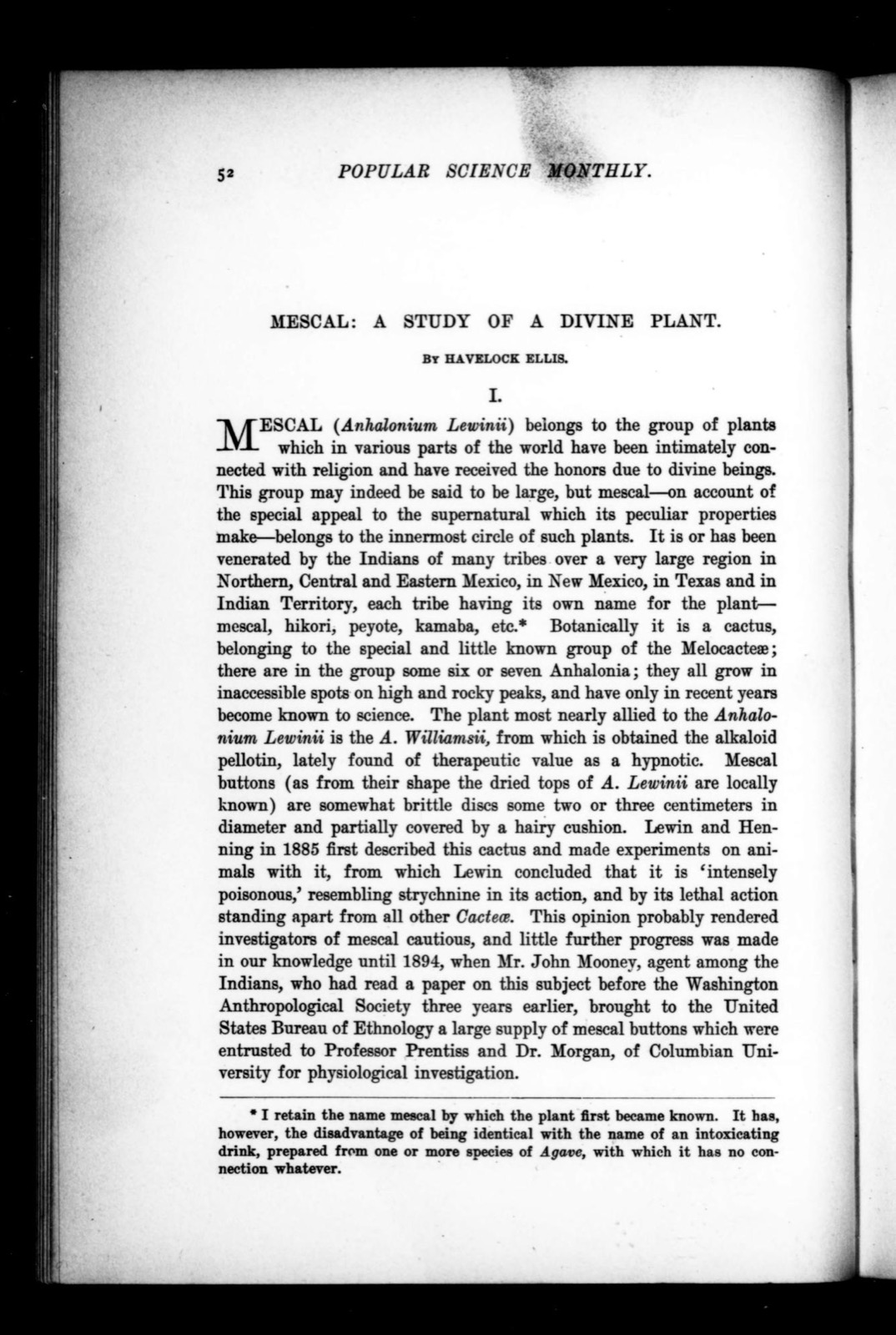 May 1902
Mescal: A Study of a Divine Plant
Havelock Ellis · Academic Article
Havelock Ellis's account of his own peyote self-experiment, conducted on Good Friday 1897 in his London chambers. Written for a general scientific audience, it situates his diary of jewel-like visions within the clinical work of Prentiss, Morgan, and Weir Mitchell, alongside Indigenous religious use of the plant.
 1902
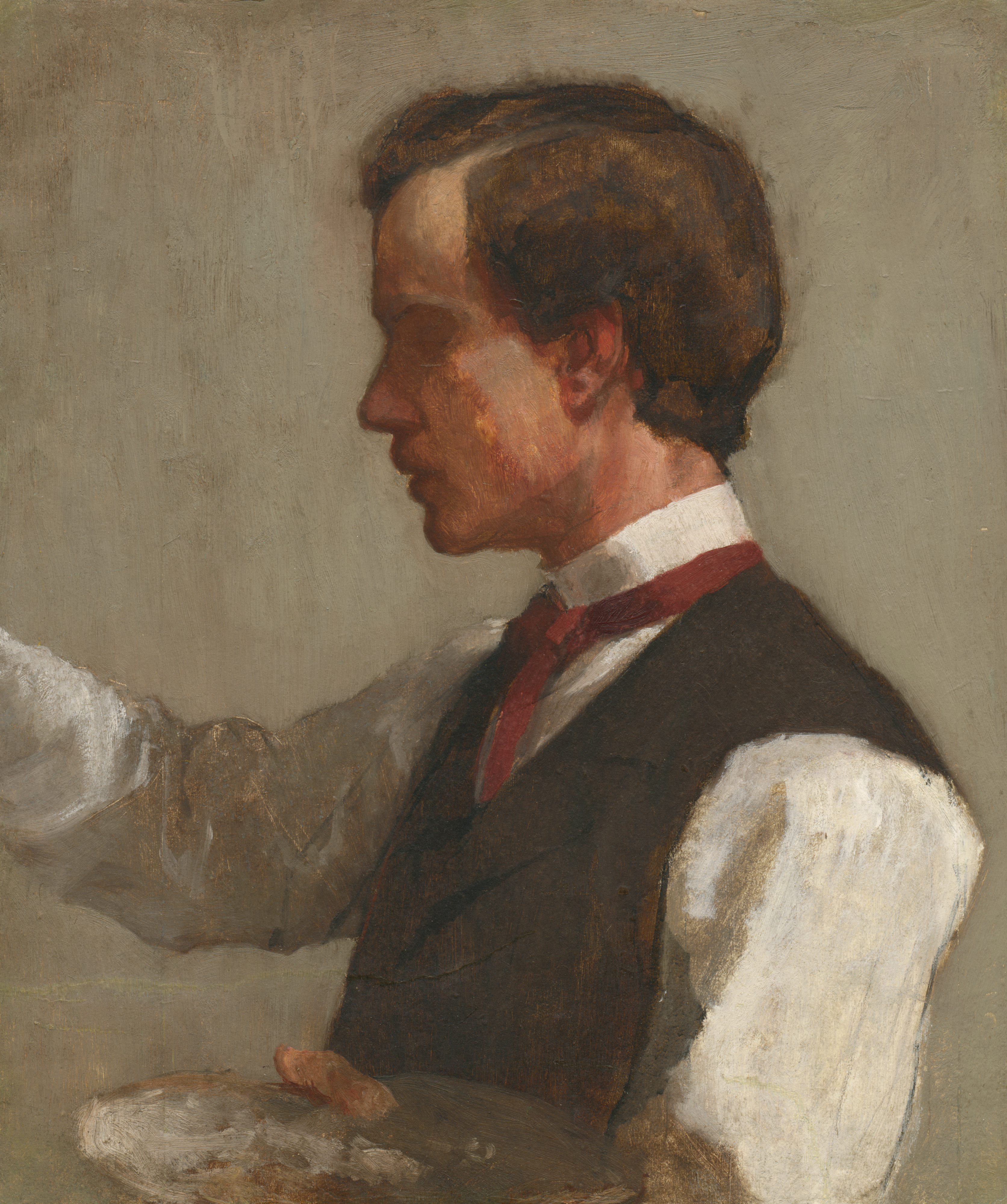
Nitrous Oxide and the Anaesthetic Revelation in The Varieties of Religious Experience
William James · Source
From the lecture on mysticism in William James's Gifford Lectures, delivered in Edinburgh in 1901–2. James argues that nitrous oxide and ether show "our normal waking consciousness" to be only one type among many, then quotes Blood and J. A. Symonds's chloroform experience. His notes add Xenos Clark's letter on the ...
Nitrous OxideReligionAnesthesia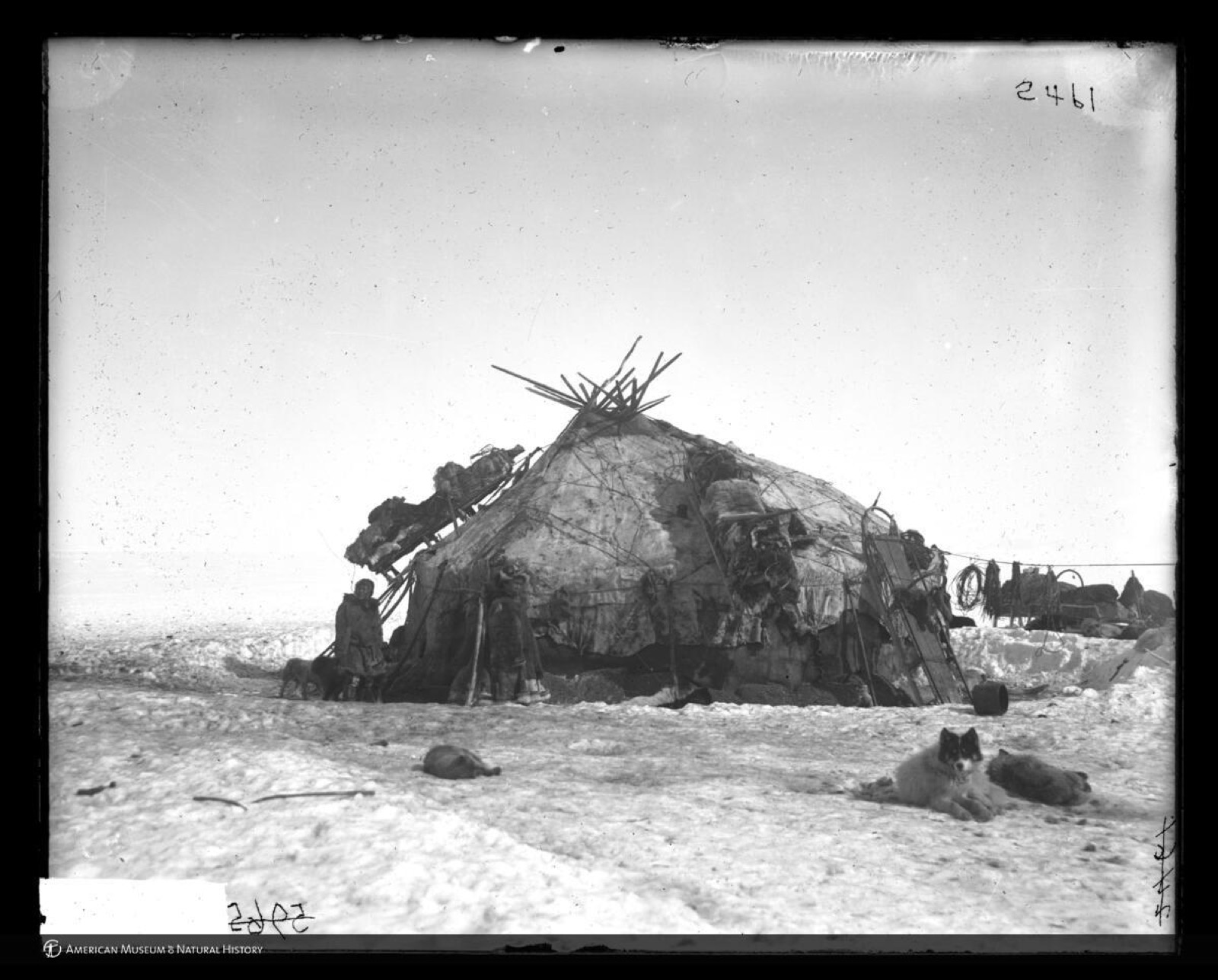 1907 (Religion, part 2 of The Chukchee, published 1904-1909)
The Chukchee (on fly-agaric)
Waldemar Bogoras · Book
An ethnographer's account of fly-agaric use among the Chukchee and Koryak, including dosage, preparation, three stages of intoxication, the 'spirits of fly-agaric,' and urine-drinking to extend the effect. The text also records the mushroom's place in Chukchee myth.
 Undated (c. 1907–1910)
Anaesthetics Antient and Modern
Burroughs Wellcome & Co. · Source
An illustrated history of anaesthesia issued by the London drug firm Burroughs Wellcome & Co., which closes by advertising its own 'Wellcome' brand chloroform. Hosted here are the chapters on nitrous oxide, ether, and chloroform, covering Horace Wells's 1844 self-experiment, the ether demonstrations of William Morto...
Nitrous OxideCannabisPharmacology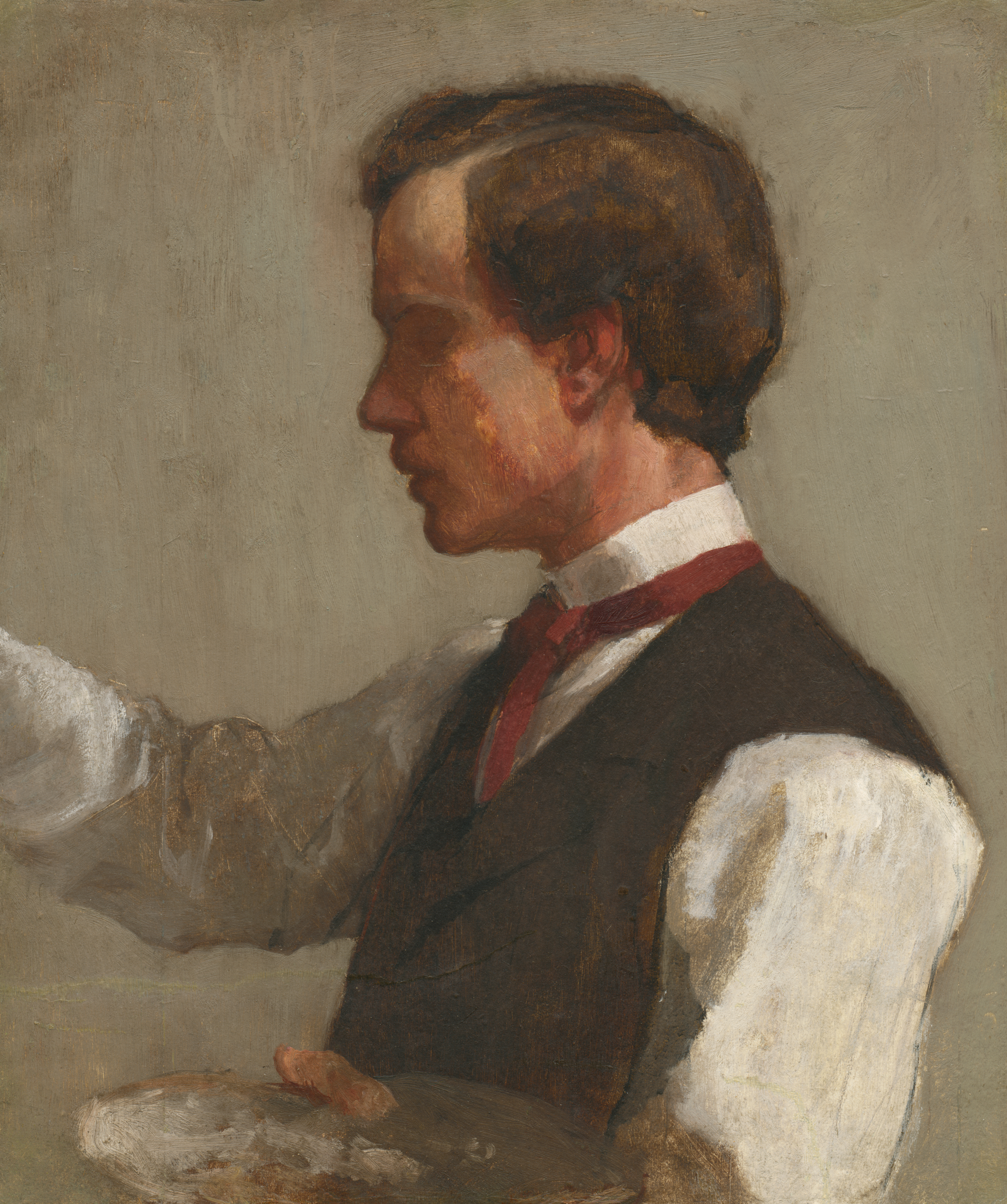 1910
A Pluralistic Mystic
William James · Source
William James's last published essay, an appreciation of Benjamin Paul Blood that appeared in the Hibbert Journal in July 1910, weeks before James died. James quotes Blood's pamphlets and letters at length and traces how the anaesthetic revelation, which James first read as monism, became for Blood the basis of a pl...
Nitrous OxideAnesthesia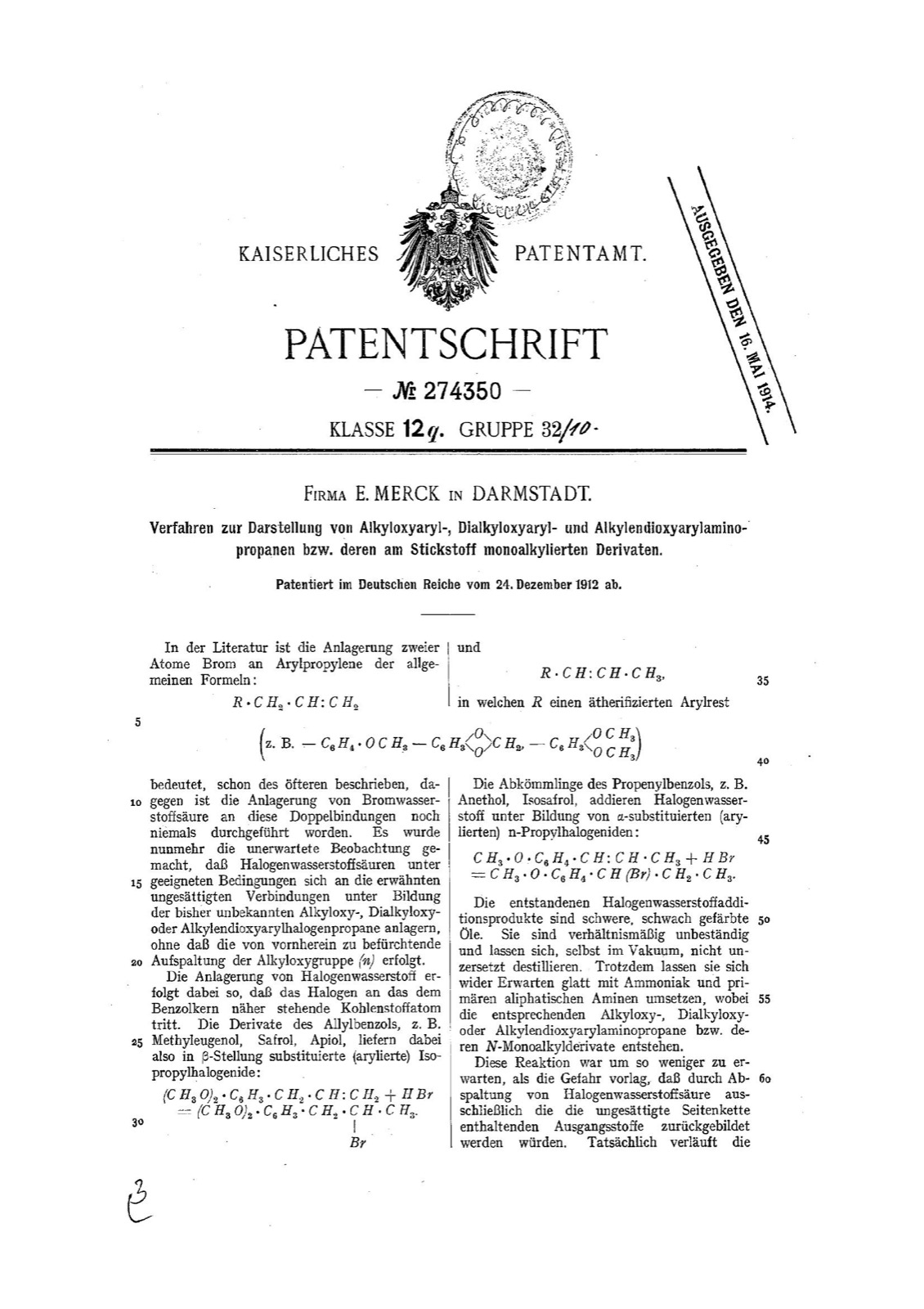 Patented from 24 December 1912; specification published 1914
Merck Patent DE 274350
E. Merck · Source
German Reich Patent No. 274350 (1912) describes arylaminopropane synthesis from safrole. Example 4 yields MDMA by heating a brominated intermediate with methylamine—the earliest documented synthesis. The patent claims MDMA only as an unnamed chemical intermediate toward unspecified therapeutic compounds, not as a su...
 July 1913
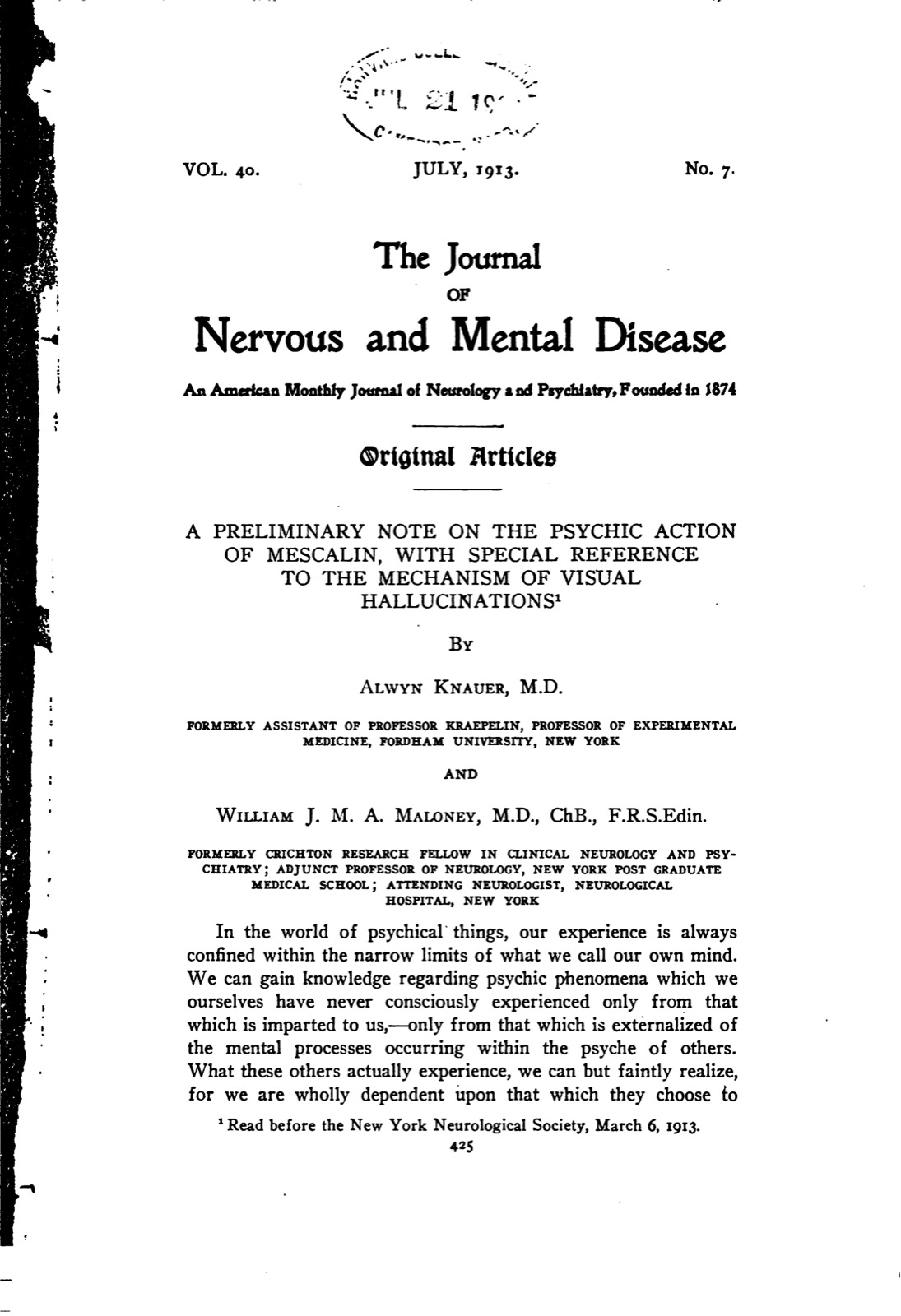
Psychic Action of Mescalin
William J. M. A. Maloney and Alwyn Knauer · Academic Article
New York psychiatrists inject themselves and colleagues with pure mescaline sulphate in twenty-three experiments to model insanity's visual hallucinations. Subjects' reports include specifics—a glass-screen head, the 'mosque of Omar'—and the authors propose a five-level theory of hallucinations versus images.
Psychiatry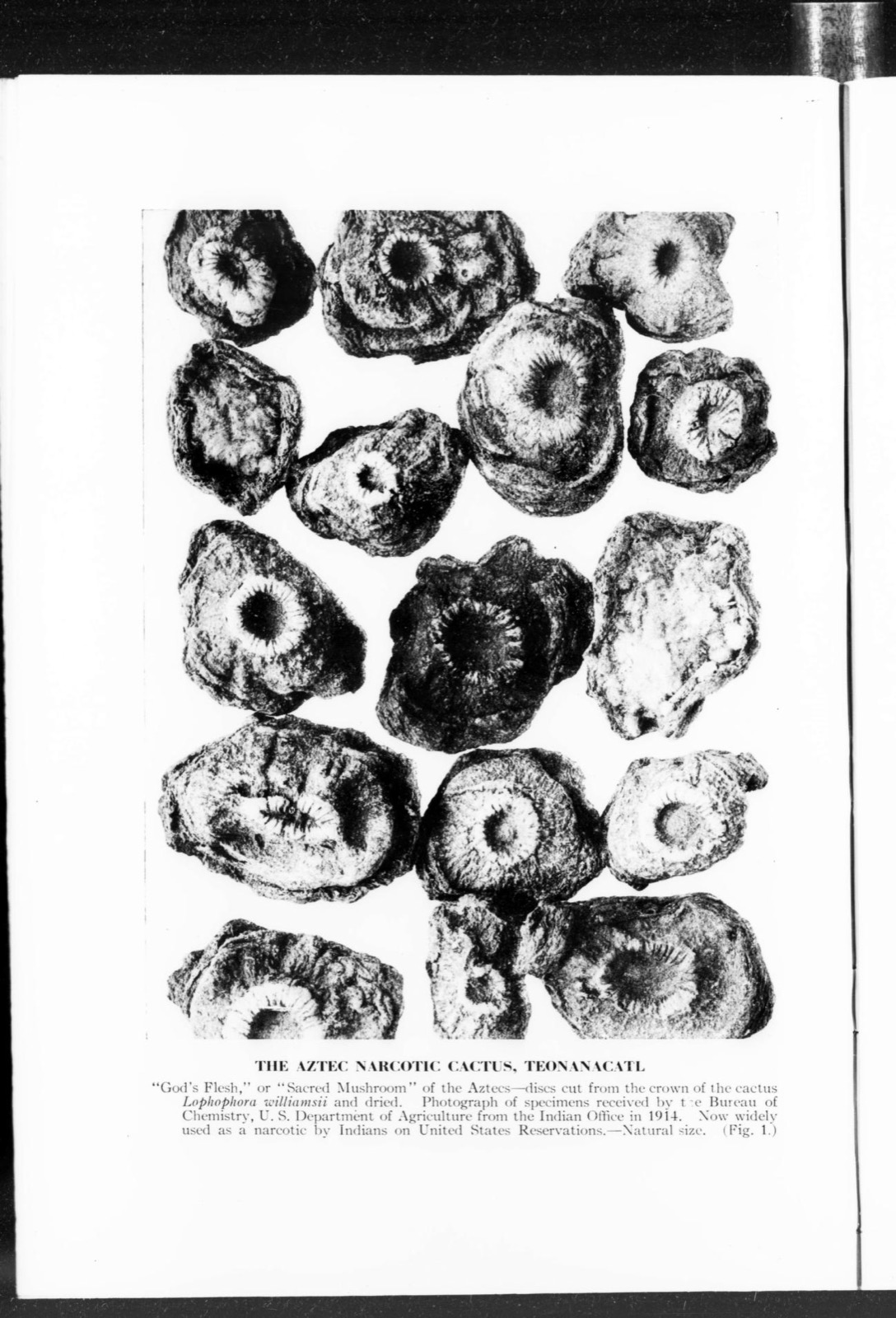 July 1915
An Aztec Narcotic
William E. Safford · Academic Article
Safford, a USDA botanist, analyzes peyote's physiological effects and Native American ceremonial use in 1915. The article incorporates sworn testimony from Menominee, Omaha, and Winnebago members of the Sacred Peyote Society.
 1917
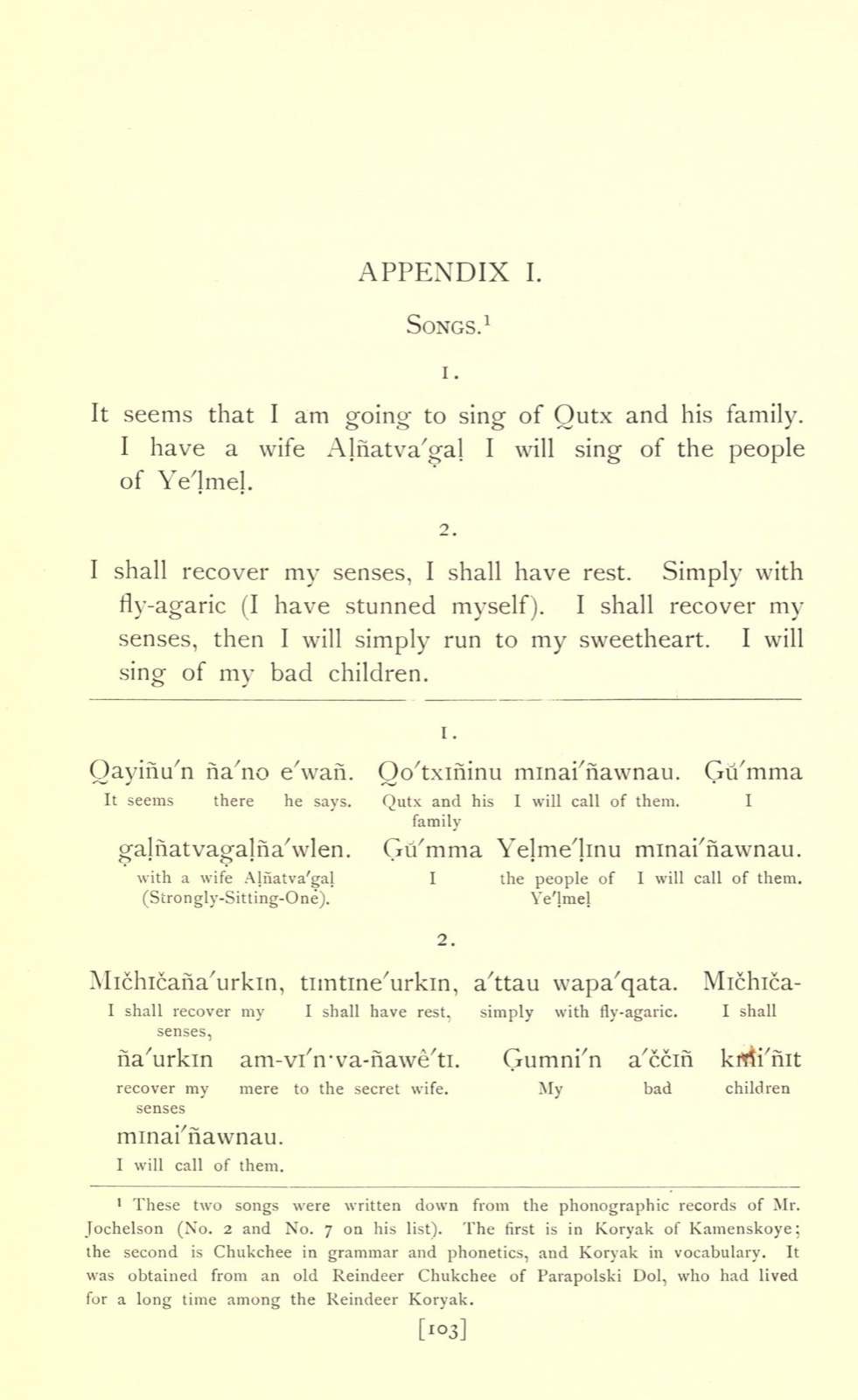
Koryak Texts (Introduction and fly-agaric song)
Waldemar Bogoras · Book
Excerpts from Bogoras's Koryak Texts, including the introduction and two songs transcribed from phonograph recordings. The second song, sung by an elderly Chukchee man, records an Indigenous voice describing fly-agaric use for recovering consciousness.
 February 22, 1918
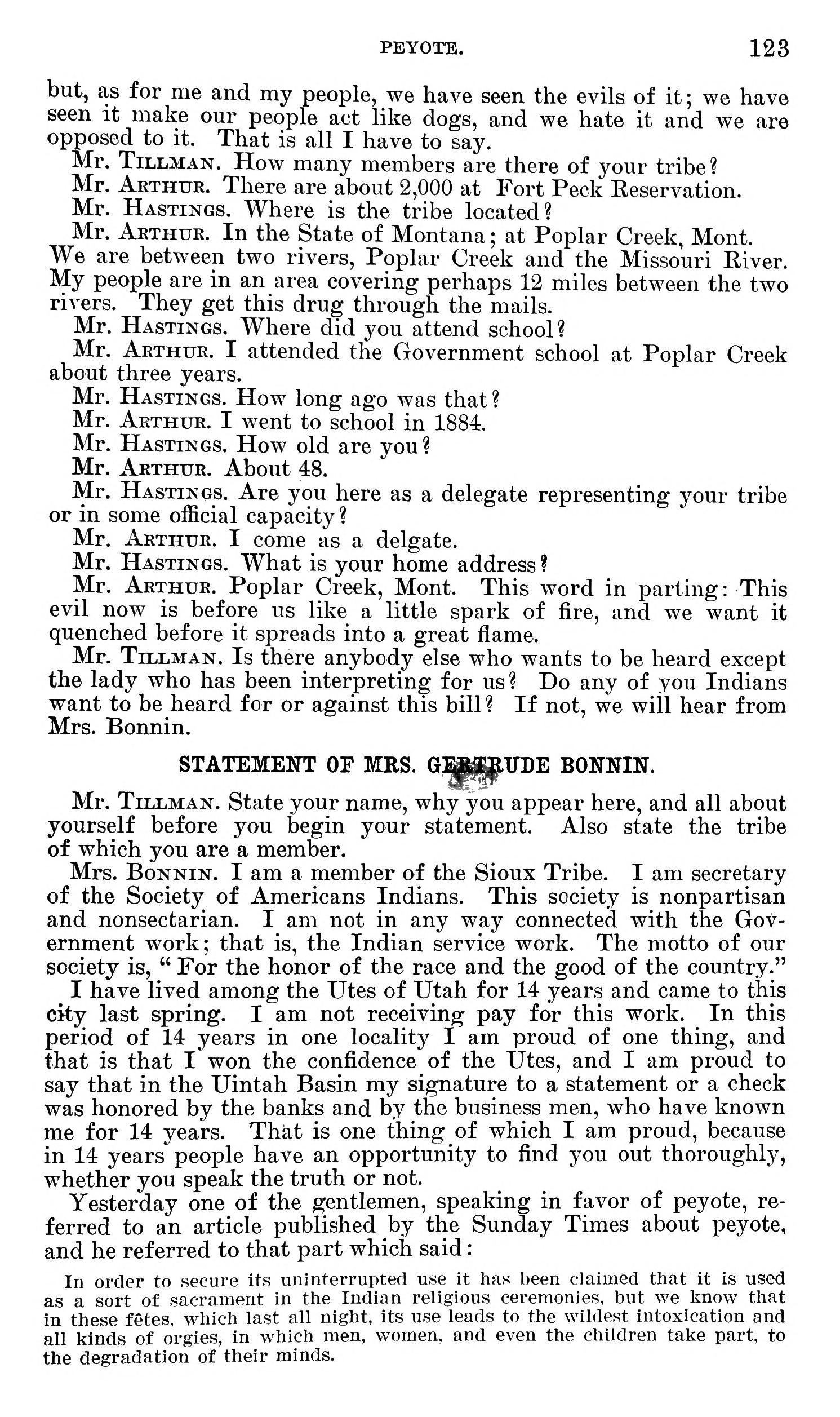
Zitkála-Šá Peyote Testimony (1918)
Gertrude Simmons Bonnin (Zitkála-Šá) · Testimony
Gertrude Simmons Bonnin (Zitkála-Šá, 1876–1938), the Yankton Dakota writer and secretary of the Society of American Indians, testified against peyote on February 22, 1918, before the House Indian Affairs subcommittee considering H.R. 2614, a bill to prohibit peyote among Indians. Drawing on her fourteen years among ...
Prohibition October 10, 1918
Native American Church Articles of Incorporation (1918)
Kiowa Charley, Sidney White Crane, Frank Eagle, and Mack Haag · Manuscript
Filed with the Oklahoma Secretary of State on October 10, 1918, these articles incorporated the Native American Church as a religious and benevolent association. The purpose sections frame peyote as a Christian sacrament, giving the pan-tribal peyote religion legal standing.
 February–March 1918
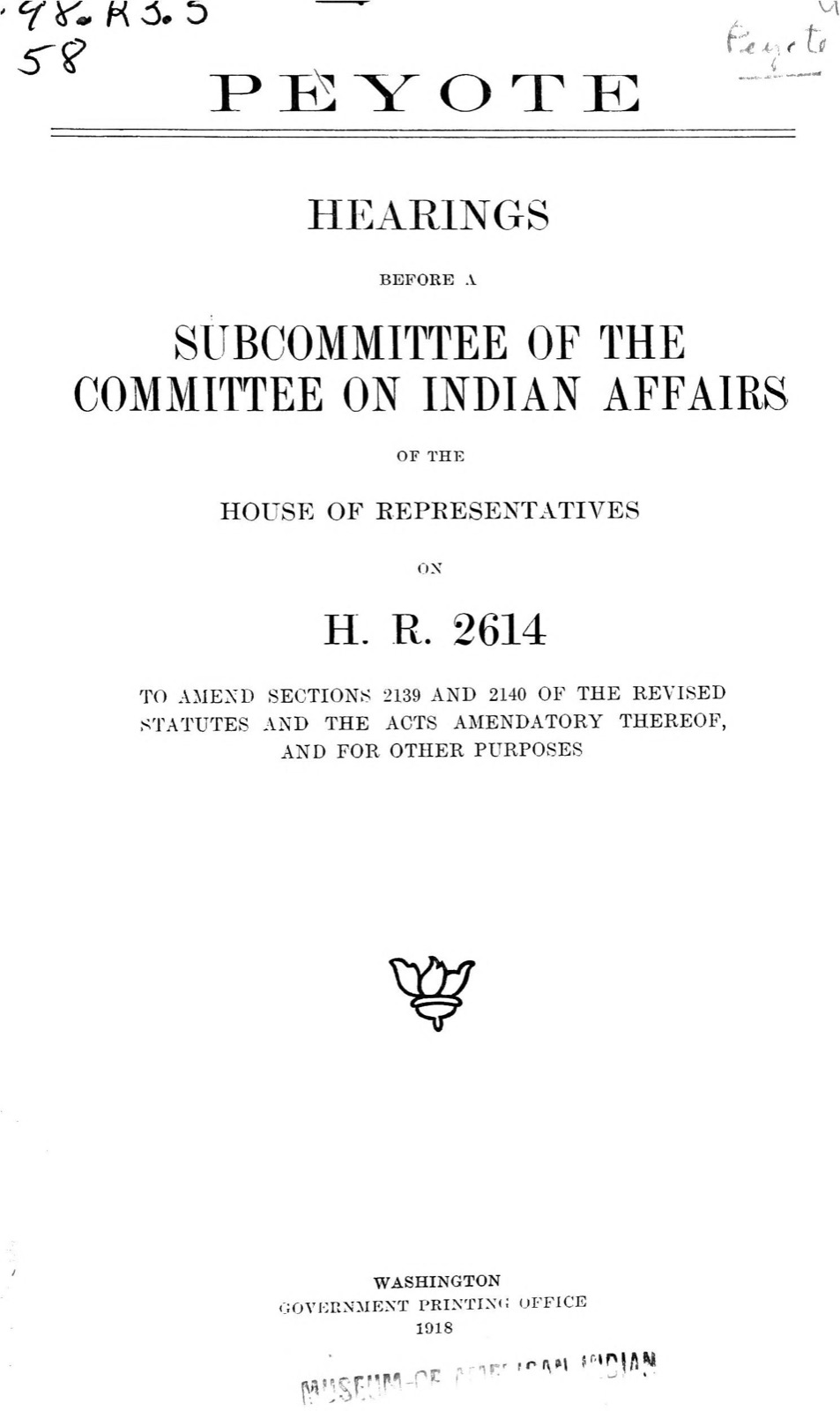
Peyote Hearings, H.R. 2614 (1918)
James Mooney, Cleaver Warden, Francis La Flesche, Paul Boynton, and Fred Lookout · Testimony
A subcommittee of the House Committee on Indian Affairs held February-March 1918 hearings on H.R. 2614, a bill to prohibit peyote use in Indian Country. Witnesses included ethnologist James Mooney, Osage chief Fred Lookout, Omaha ethnographer Francis La Flesche, Arapaho delegate Cleaver Warden, and Cheyenne-Arapaho ...
Prohibition
Historical overview
A contextual essay for this era is in preparation. In the meantime, the sources at left, the key figures below, and the further-reading panel offer entry points.
Key figures in this era
Further reading
Secondary sources- Vetted secondary sources for this era are being prepared.