Pre-1800 / Psilocybin

Browse filters
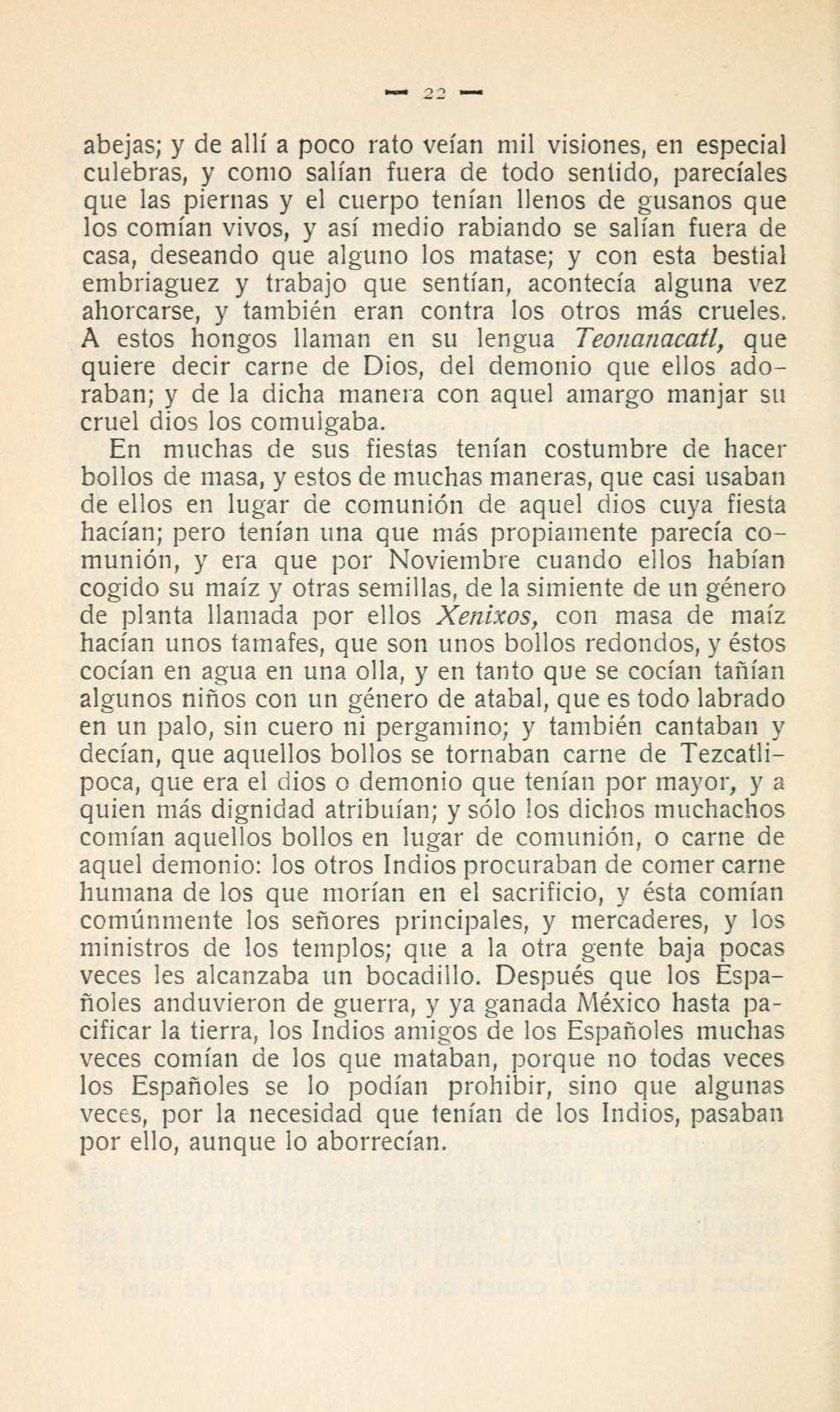
On Teonanácatl, the "Flesh of God"
Manuscript, c. 1541 (published 1858/1914)

Teonanácatl, "carne de Dios"

Motolinía's account of Aztec mushroom intoxication from Historia de los indios de la Nueva España. He describes small bitter mushrooms producing visions of serpents and worms, names them Teonanácatl ("flesh of God"), and compares the rite to other Aztec communal meals.

Read more
Ololiuhqui, Peyotl, and Teonanácatl in the Florentine Codex
Source, c. 1577

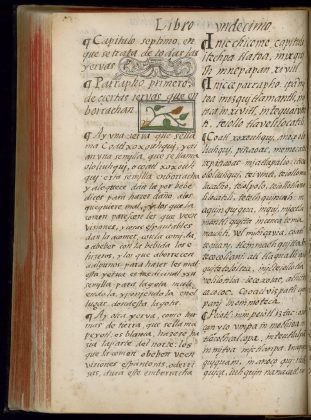
Ololiuhqui, Peyotl, and Teonanácatl in the Florentine Codex

Sahagún’s Book 11 on herbs that intoxicate

Spanish entries from Book 11 of the Florentine Codex, the encyclopedia of Nahua life compiled by Bernardino de Sahagún and Nahua scholars at Tlatelolco around 1577. They describe ololiuhqui, peyotl, tlapatl, mixitl, and teonanácatl, plants and mushrooms that cause intoxication or visions, with an English translation made for the archive.

Read more
Hongos monteses in Durán's Historia de las Indias de Nueva España
Source, c. 1581; published 1867

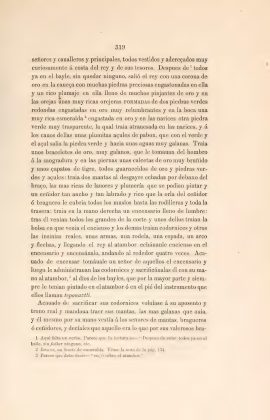
Hongos monteses in Durán's Historia de las Indias de Nueva España

Mushrooms, coronations, and the feast of revelations

Three passages from Diego Durán's Historia describing raw mountain mushrooms in Mexica royal ceremonial life: a coronation feast, Durán's note that mushrooms rather than wine appear as the chronicle's intoxicant, and Motecuhzoma's feast of revelations.

Read more