Before 1799 / Psychoactive Plants

Browse filters
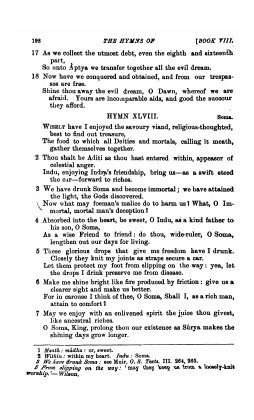
Soma Hymns in the Rigveda
Source, c. 1500-1000 BCE; translation 1897

Soma Hymns in the Rigveda

RV 8.48 and 9.113 on soma, immortality, and light

Two selected Rigvedic hymns to Soma: RV 8.48, the famous hymn of drinking soma and becoming immortal, and RV 9.113, a Soma Pavamana hymn asking to be placed in deathless worlds of light, delight, and fulfilled desire.

Read more
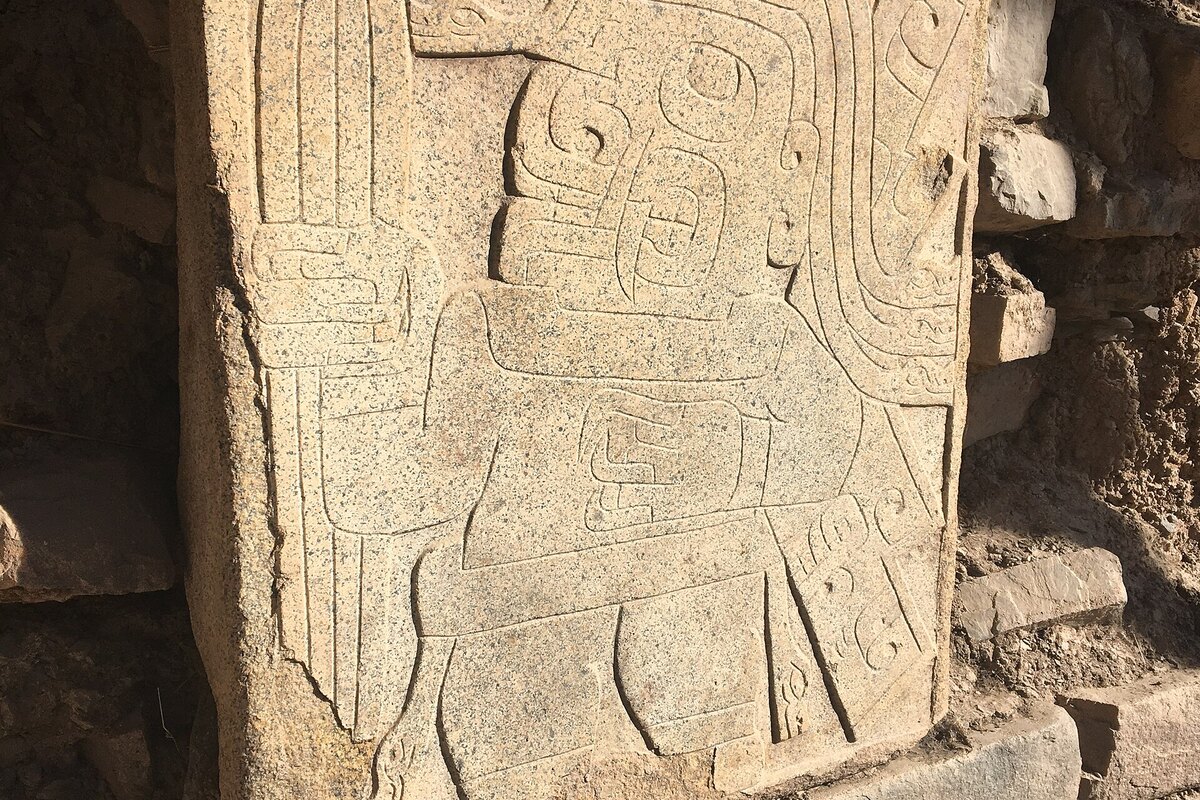
Chavin de Huantar
Archaeological Site, ca. 1200-500 BCE

Chavin de Huantar

Ritual architecture, psychoactive plants, sound, and authority in the Early Horizon Andes

A concise archaeological site entry on Chavin de Huantar as a ceremonial center where architecture, controlled movement, sound, San Pedro imagery, and direct evidence for vilca and Nicotiana snuff formed part of institutionalized ritual practice.

Read more
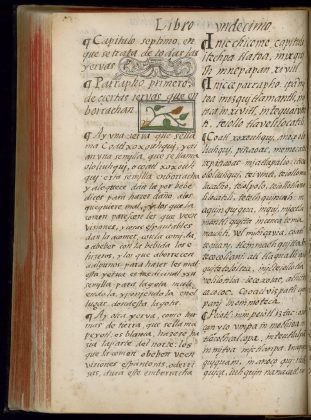
Ololiuhqui, Peyotl, and Teonanácatl in the Florentine Codex
Source, c. 1577

Ololiuhqui, Peyotl, and Teonanácatl in the Florentine Codex

Sahagún’s Book 11 on herbs that intoxicate

Spanish entries from Book 11 of the Florentine Codex, the encyclopedia of Nahua life compiled by Bernardino de Sahagún and Nahua scholars at Tlatelolco around 1577. They describe ololiuhqui, peyotl, tlapatl, mixitl, and teonanácatl, plants and mushrooms that cause intoxication or visions, with an English translation made for the archive.

Read more
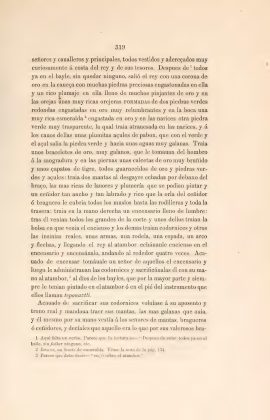
Hongos monteses in Durán's Historia de las Indias de Nueva España
Source, c. 1581; published 1867

Hongos monteses in Durán's Historia de las Indias de Nueva España

Mushrooms, coronations, and the feast of revelations

Three passages from Diego Durán's Historia describing raw mountain mushrooms in Mexica royal ceremonial life: a coronation feast, Durán's note that mushrooms rather than wine appear as the chronicle's intoxicant, and Motecuhzoma's feast of revelations.

Read more
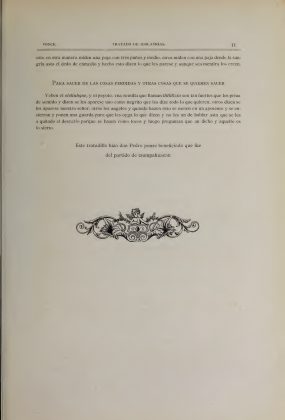
Ololiuhqui and Peyote in Idolatrías y supersticiones de los indios
Source, 1629-1656; published 1892

Ololiuhqui and Peyote in Idolatrías y supersticiones de los indios

Colonial anti-idolatry texts on divination, healing, and visionary plants

A set of Spanish colonial anti-idolatry excerpts describing ololiuhqui and peyote as oracular substances used in healing, theft investigation, divination, and diagnosis of sorcery. The source preserves rare early descriptions of visionary plant practice while also showing how clerical authorities criminalized and demonized Indigenous ritual knowledge.

Read more