Before 1799

Browse filters
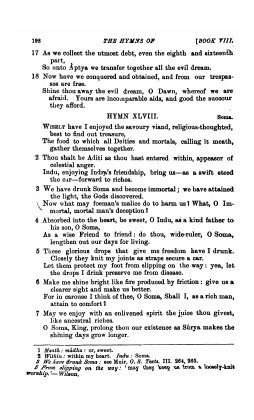
Soma Hymns in the Rigveda
Source, c. 1500-1000 BCE; translation 1897

Soma Hymns in the Rigveda

RV 8.48 and 9.113 on soma, immortality, and light

Two selected Rigvedic hymns to Soma: RV 8.48, the famous hymn of drinking soma and becoming immortal, and RV 9.113, a Soma Pavamana hymn asking to be placed in deathless worlds of light, delight, and fulfilled desire.

Read more
Chavin de Huantar
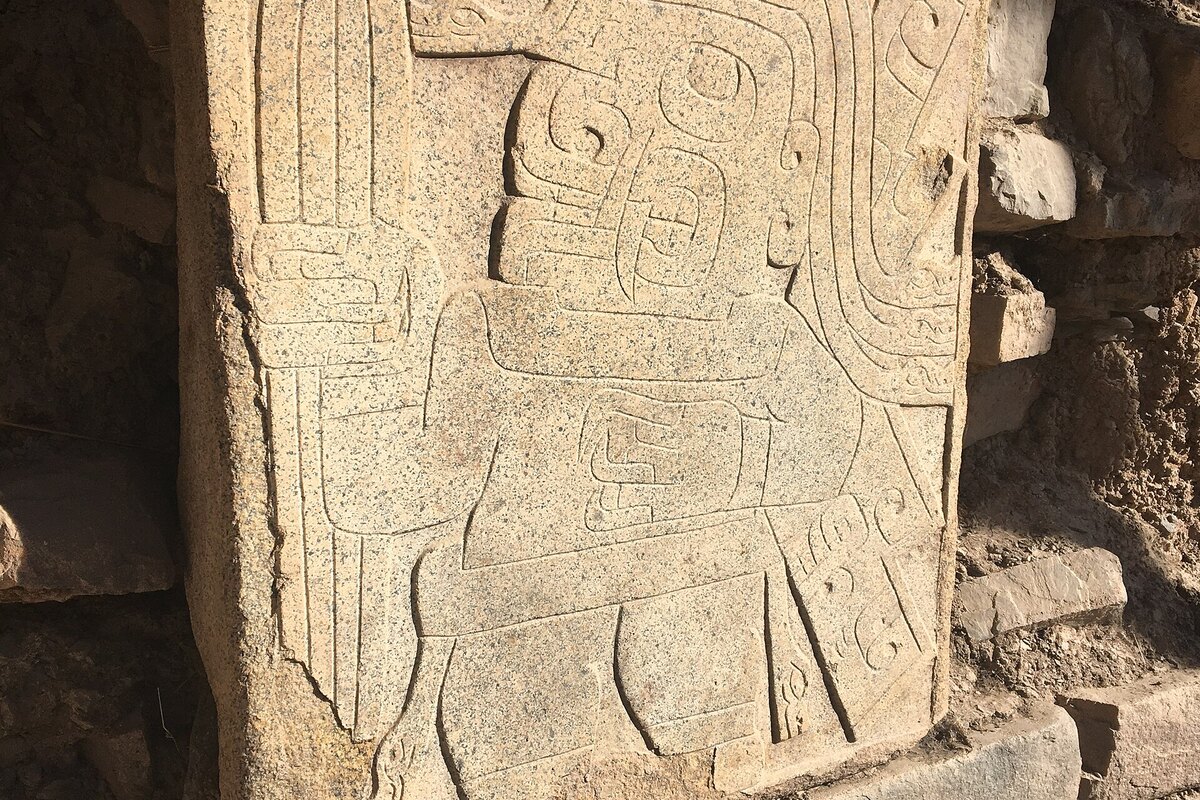
Archaeological Site, ca. 1200-500 BCE

Chavin de Huantar

Ritual architecture, psychoactive plants, sound, and authority in the Early Horizon Andes

A concise archaeological site entry on Chavin de Huantar as a ceremonial center where architecture, controlled movement, sound, San Pedro imagery, and direct evidence for vilca and Nicotiana snuff formed part of institutionalized ritual practice.

Read more
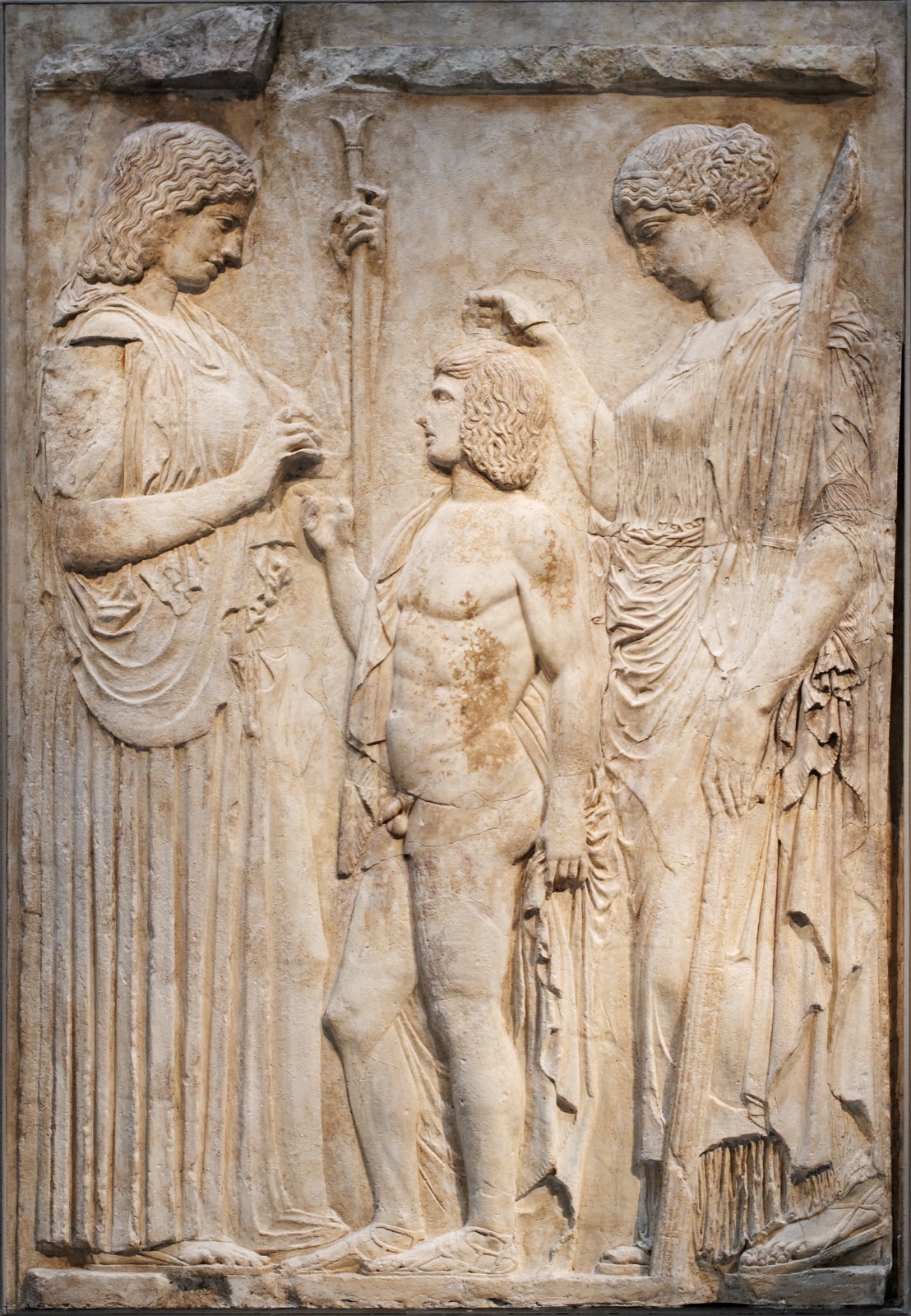
The Homeric Hymn to Demeter
Ancient Text, c. 650–550 BCE (this translation published 1914)

Hymn to Demeter

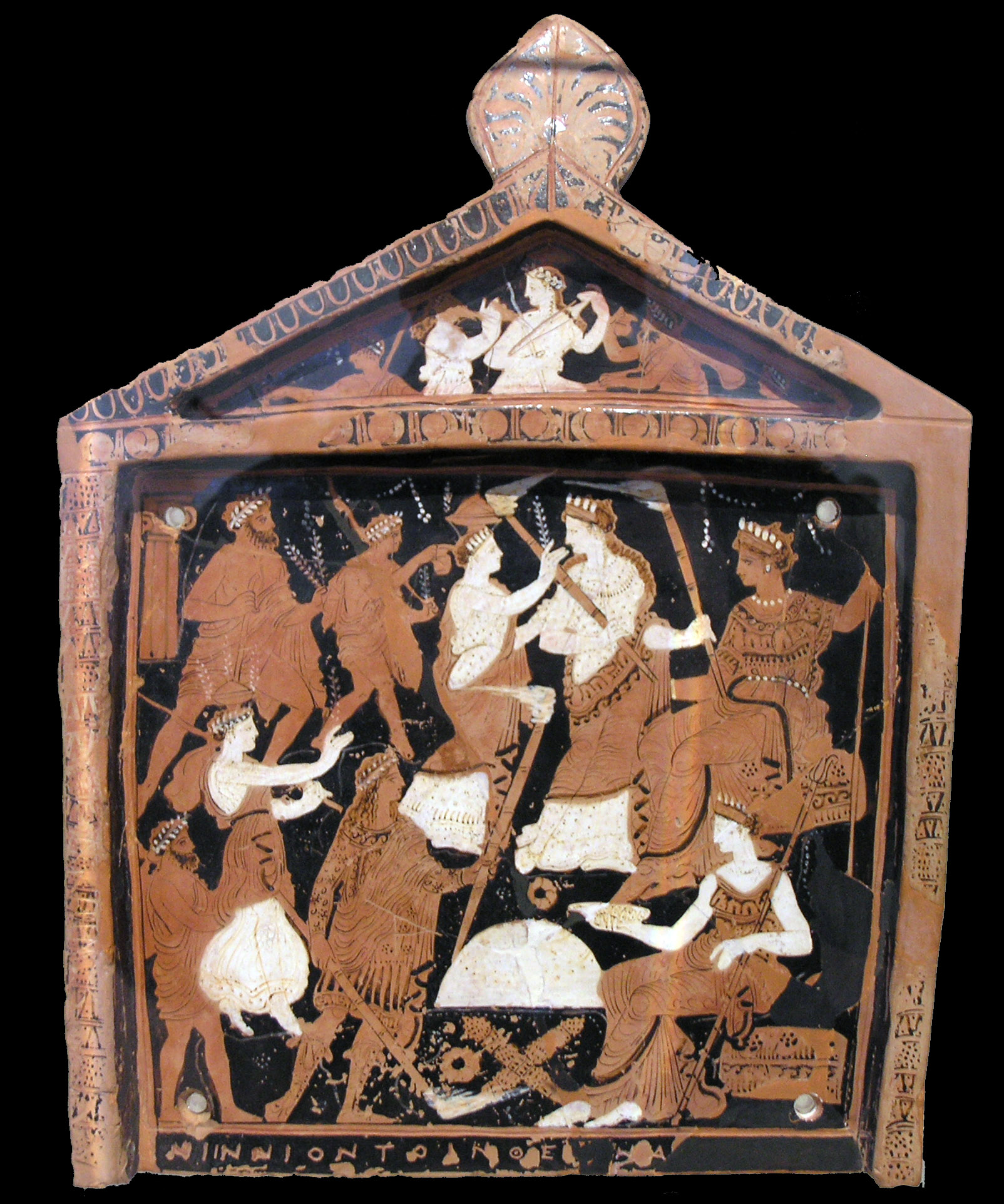
The Homeric Hymn to Demeter (7th-6th century BCE) is the founding myth of the Eleusinian Mysteries. Disguised as an old woman, Demeter drinks kykeon (barley meal, water, and mint) and later teaches the Eleusinians the 'awful mysteries.'

Read more
Exhortation to the Greeks (Chapter II, on the Eleusinian and Related Mysteries)
Ancient Text, c. 195 CE (this translation 1867/1885)

Exhortation to the Greeks, ch. II

Clement of Alexandria's chapter from his Exhortation to the Greeks (c. 195 CE), exposing Greek mystery religions including the Eleusinian rites. He quotes the complete verbal formula recited over the kykeon and recounts the myth of Demeter and Baubo.

Read more
Cueva del Chileno
Archaeological Site, 905-1170 CE

Cueva del Chileno

A high-Andean ritual bundle with direct chemical evidence for multiple psychoactive plants

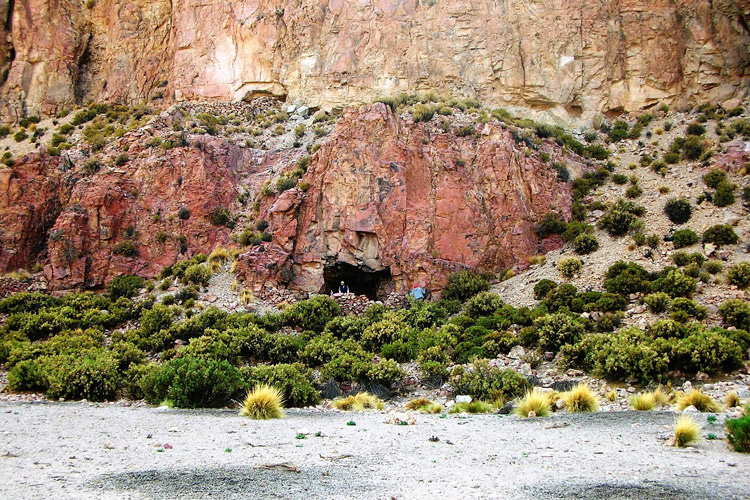
A rock shelter in southwestern Bolivia where archaeologists found direct chemical evidence for ancient use of coca, harmine-bearing plants, DMT-bearing plants, and possibly psilocin.

Read more
On Teonanácatl, the "Flesh of God"
Manuscript, c. 1541 (published 1858/1914)

Teonanácatl, "carne de Dios"

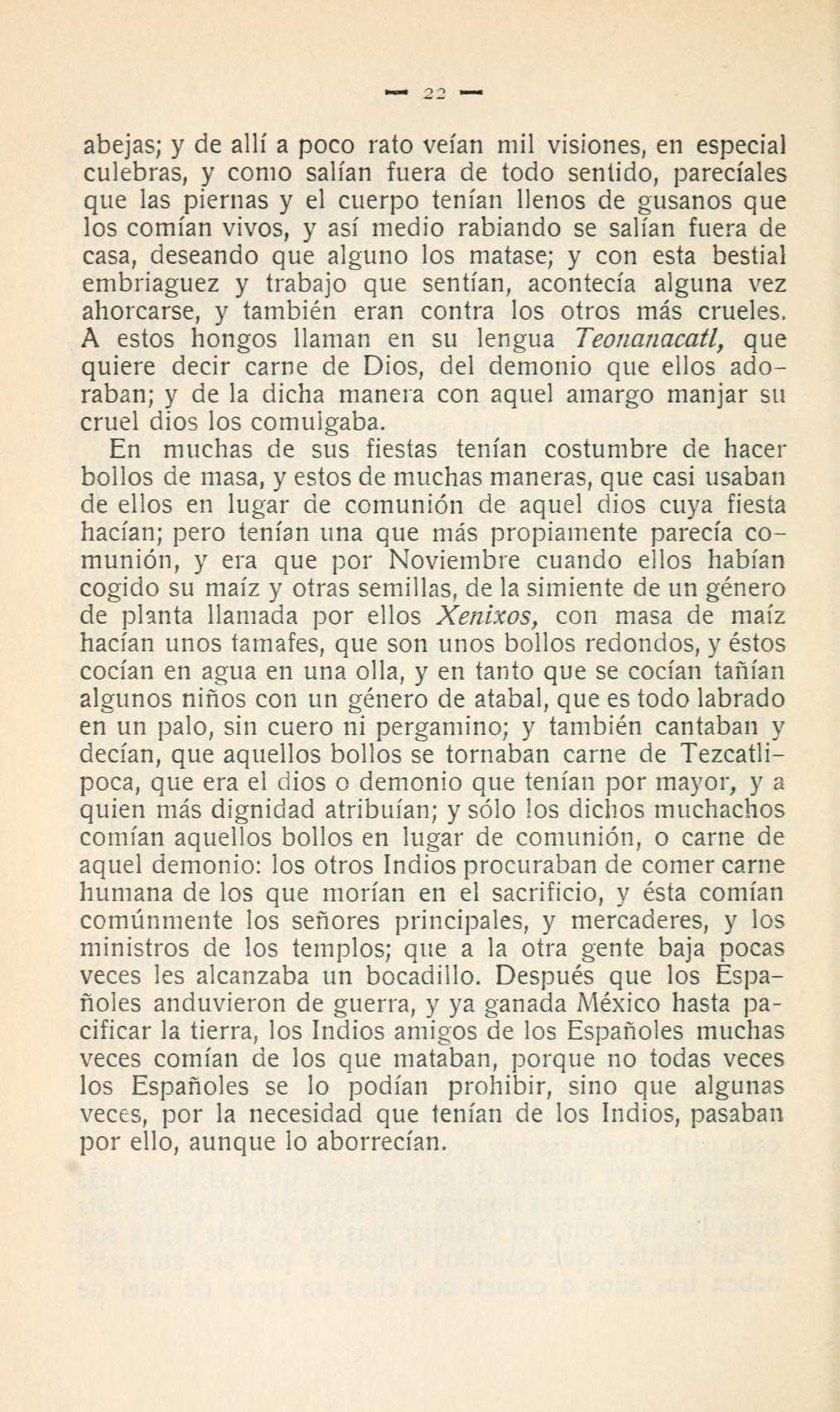
Motolinía's account of Aztec mushroom intoxication from Historia de los indios de la Nueva España. He describes small bitter mushrooms producing visions of serpents and worms, names them Teonanácatl ("flesh of God"), and compares the rite to other Aztec communal meals.

Read more
Eighth Colloquy: Bangue
Source, 1563; Portuguese edition 1891

Eighth Colloquy: Bangue

A sixteenth-century Portuguese-Goan discussion of bangue, or bhang, describing cannabis preparations in South Asia, their relation to opium, and accounts of intoxication, appetite, laughter, sleep, and imaginative travel.

Read more
Ololiuhqui, Peyotl, and Teonanácatl in the Florentine Codex
Source, c. 1577

Ololiuhqui, Peyotl, and Teonanácatl in the Florentine Codex

Sahagún’s Book 11 on herbs that intoxicate

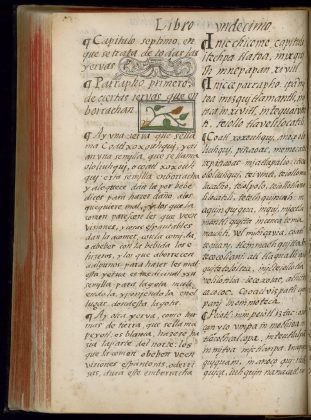
Spanish entries from Book 11 of the Florentine Codex, the encyclopedia of Nahua life compiled by Bernardino de Sahagún and Nahua scholars at Tlatelolco around 1577. They describe ololiuhqui, peyotl, tlapatl, mixitl, and teonanácatl, plants and mushrooms that cause intoxication or visions, with an English translation made for the archive.

Read more
Hongos monteses in Durán's Historia de las Indias de Nueva España
Source, c. 1581; published 1867

Hongos monteses in Durán's Historia de las Indias de Nueva España

Mushrooms, coronations, and the feast of revelations

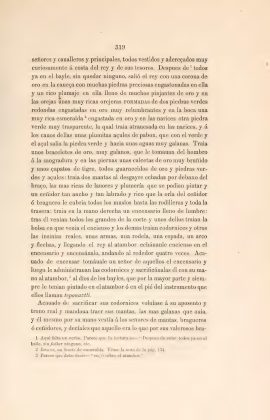
Three passages from Diego Durán's Historia describing raw mountain mushrooms in Mexica royal ceremonial life: a coronation feast, Durán's note that mushrooms rather than wine appear as the chronicle's intoxicant, and Motecuhzoma's feast of revelations.

Read more
De la yerva que llaman Ololiuhqui
Book, 1615

On the Herb Called Ololiuhqui

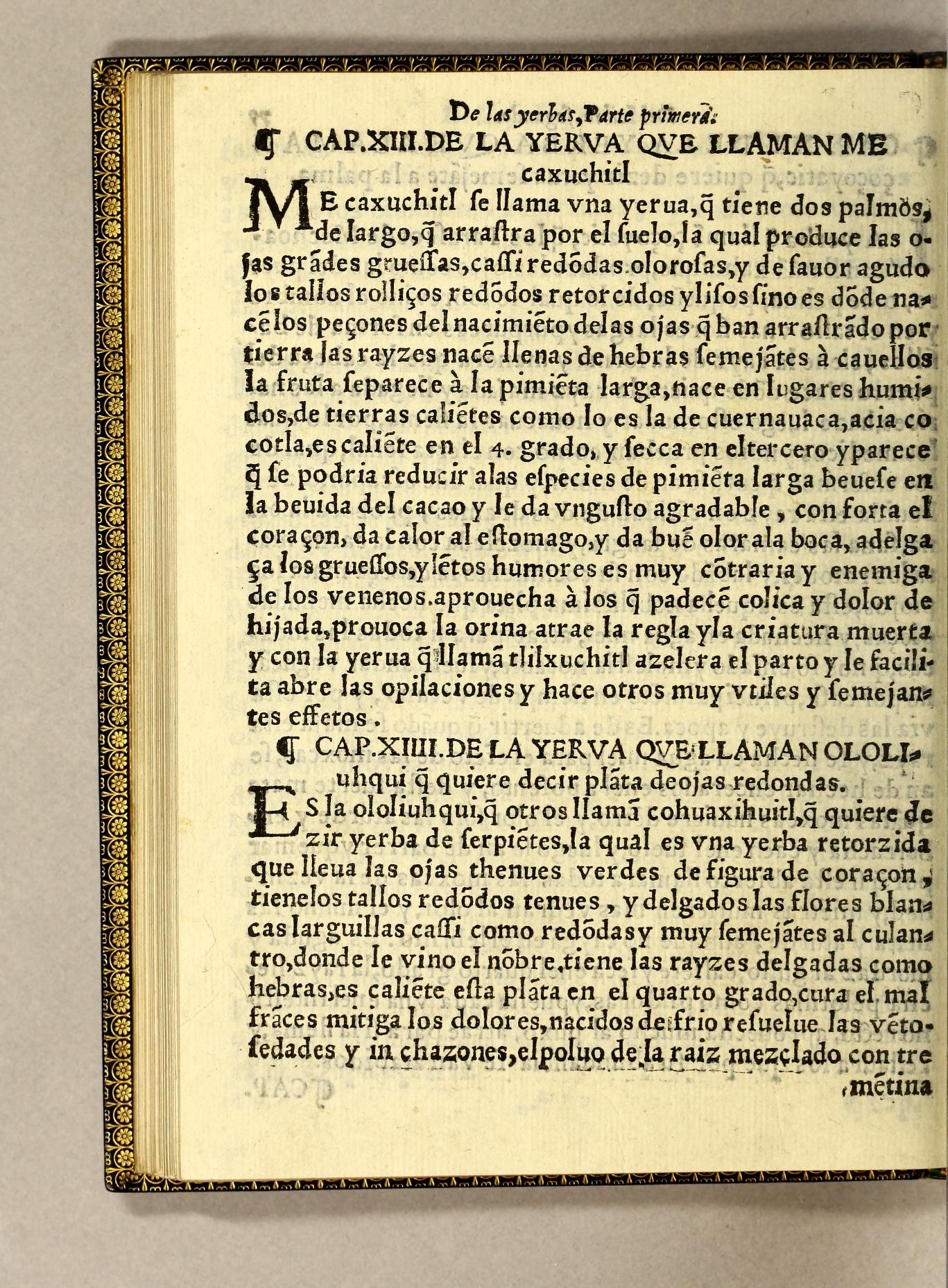
Chapter 14 of Francisco Ximénez's 1615 Spanish redaction of Hernández's natural history, describing ololiuhqui. Ximénez gives the plant's Nahuatl name cohuaxihuitl ('serpent herb'), its medicinal uses, and records that priests ate it to commune with the devil and see a thousand phantasms.

Read more
Edict of the Mexican Inquisition Prohibiting the Use of Peyote (1620)
Source, 19 June 1620

Inquisition Edict against Peyote

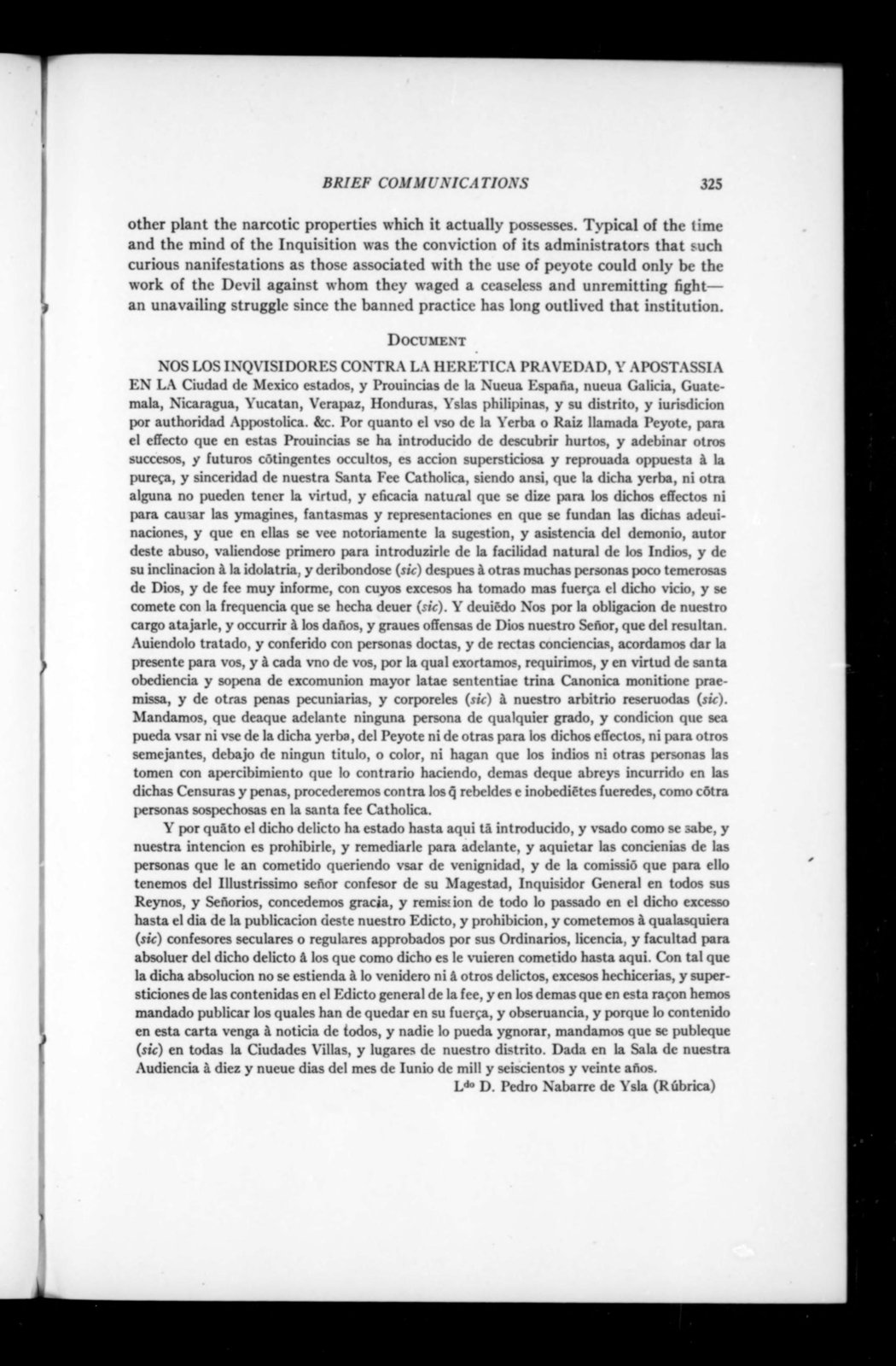
An edict of the Mexican tribunal of the Holy Office, issued in Mexico City on 19 June 1620 over the signature of Licenciado Pedro Nabarre de Isla, prohibiting the use of peyote to discover thefts and divine hidden or future events. The inquisitors deny the plant any natural power to produce visions, attribute them to the devil, threaten users with excommunication and proceedings as suspects in the faith, and pardon use before the edict's publication. The Spanish text is hosted as printed by Irving A. Leonard (1896–1996) in American Anthropologist in 1942, with a new English translation.

Read more
Ololiuhqui and Peyote in Idolatrías y supersticiones de los indios
Source, 1629-1656; published 1892

Ololiuhqui and Peyote in Idolatrías y supersticiones de los indios

Colonial anti-idolatry texts on divination, healing, and visionary plants

A set of Spanish colonial anti-idolatry excerpts describing ololiuhqui and peyote as oracular substances used in healing, theft investigation, divination, and diagnosis of sorcery. The source preserves rare early descriptions of visionary plant practice while also showing how clerical authorities criminalized and demonized Indigenous ritual knowledge.

Read more
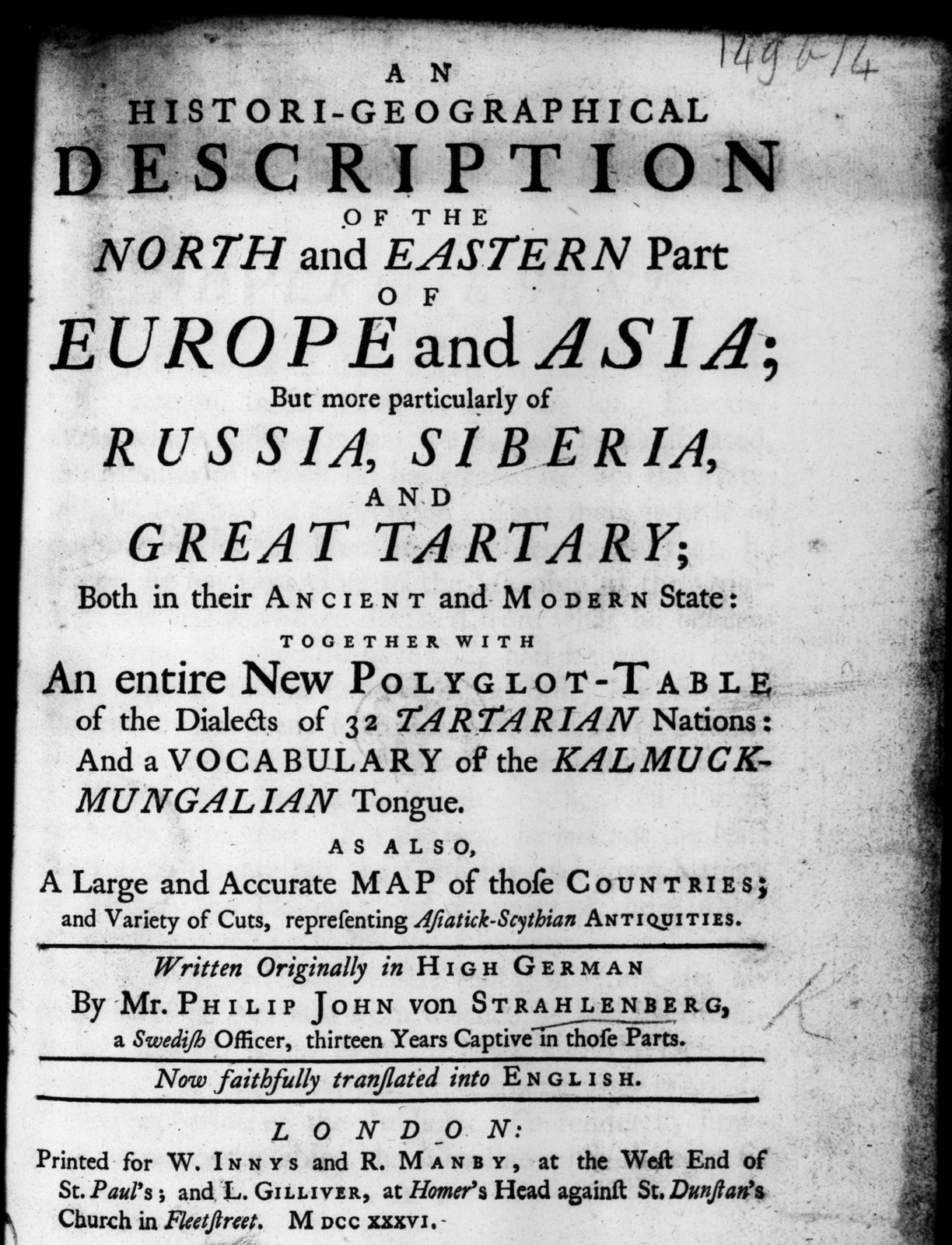
An Histori-Geographical Description of the North and Eastern Part of Europe and Asia: "Koræiki"
Book, 1736 (German original 1730)

Strahlenberg on the Koryaks and Fly-Agaric

The entry "Koræiki" from the anonymous 1736 London translation of Das Nord- und Ostliche Theil von Europa und Asia (Stockholm, 1730) by Philip Johan von Strahlenberg (1676–1747), a Swedish officer captured at Poltava who spent over a decade as a prisoner in Siberia. Strahlenberg reports that Russian traders exchanged the mushroom Muchumor for Koryak furs, that wealthy Koryaks boiled it and drank the liquor at feasts, and that the poor drank the urine of intoxicated guests to share the effect. The full entry is hosted from pp. 396–97 of the 1736 printing.

Read more
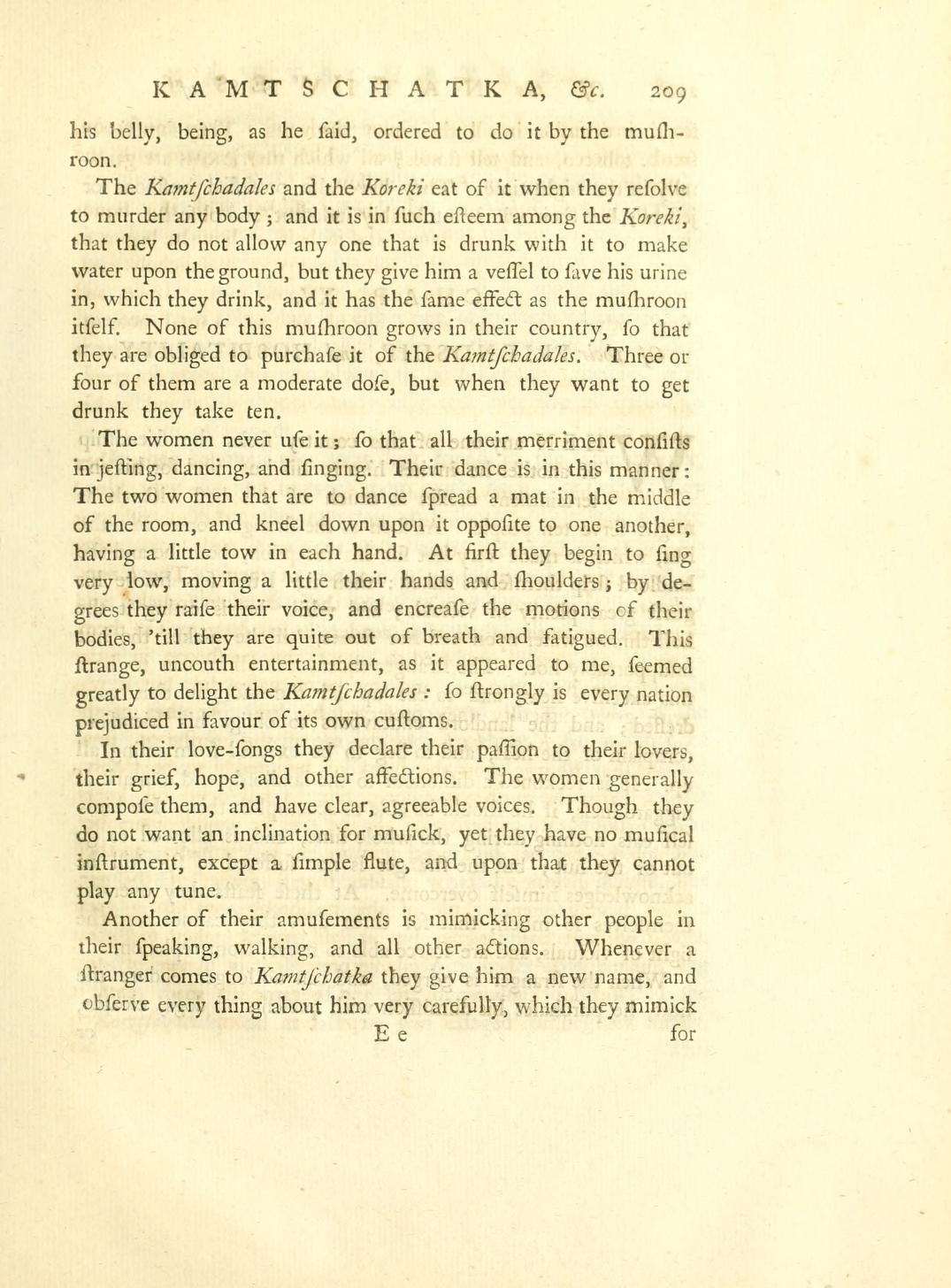
The History of Kamtschatka, and the Kurilski Islands, with the Countries Adjacent
Book, 1764 (English translation; Russian original 1755)

The History of Kamtschatka

Krasheninnikov's 1764 English translation describes fly-agaric (Amanita muscaria) intoxication in Kamchatka: its effects, use by the Koryak, and the practice of drinking an intoxicated person's urine to prolong inebriation. He covers dose-dependent effects and behavioral consequences including murderous impulses.

Read more
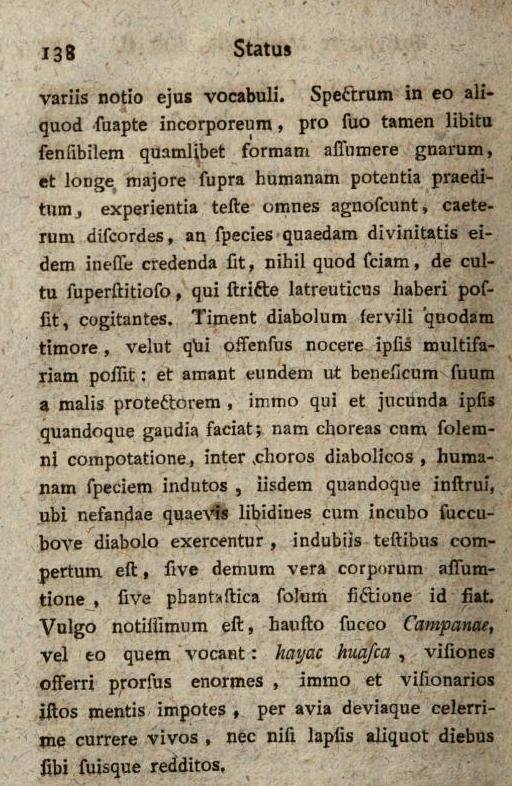
Franz Xaver Veigl on Ayahuasca in Maynas
Source, c. 1768–1785 (exact date unclear)

Franz Xaver Veigl on Ayahuasca in Maynas

Franz Xaver Veigl, a German Jesuit who worked in the mission province of Maynas in the upper Amazon until the Jesuits were expelled in 1768, describes healers and visionary drinks there. He writes that people who drank "hayac huasca" saw "absolutely enormous visions" and seemed to travel far away, and, like other missionaries of his time, he treats this as dealings with the devil. English translation of Latin passages from his account of Maynas.

Read more