1900-1942

Browse filters
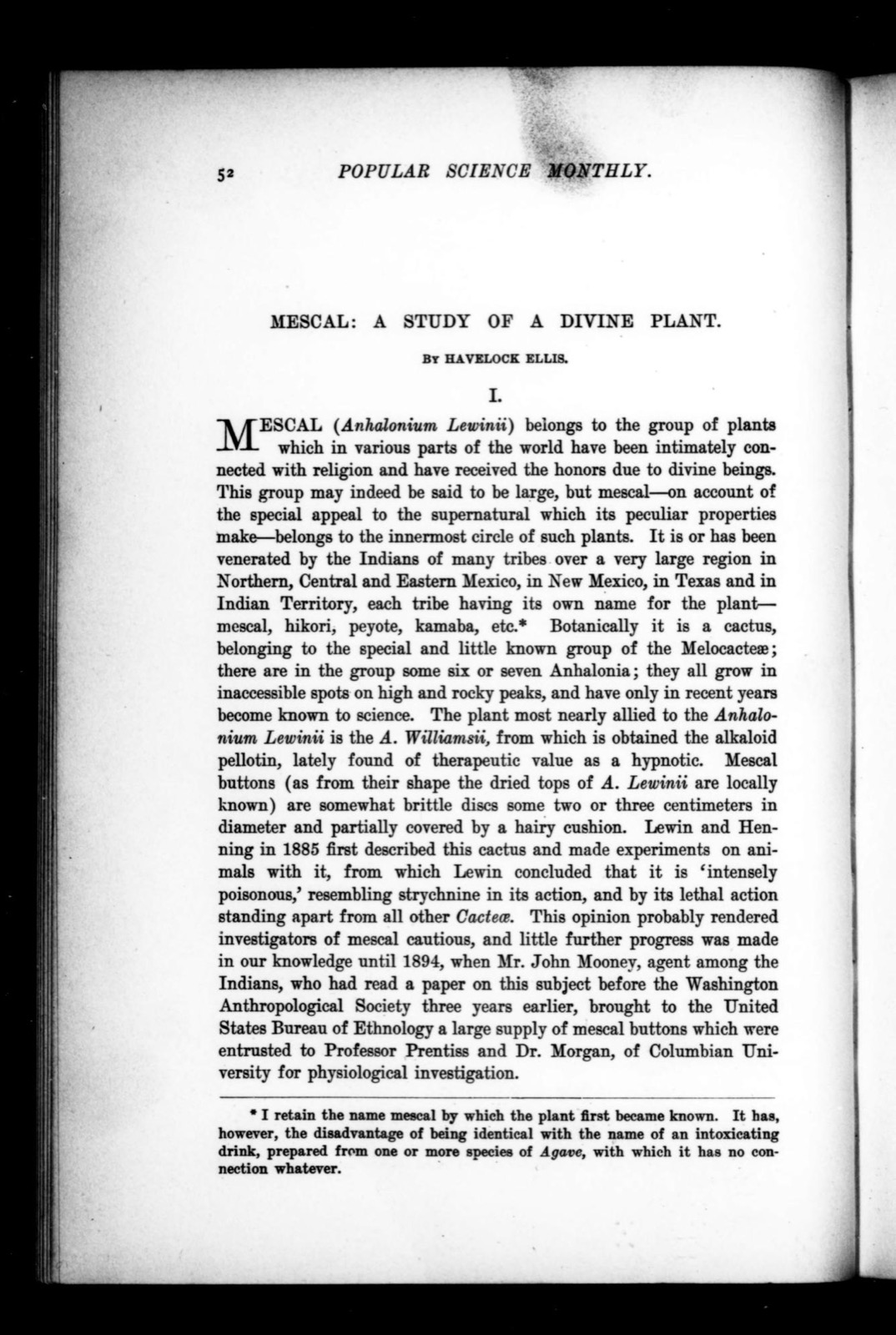
Mescal: A Study of a Divine Plant
Academic Article, May 1902

Mescal: A Study of a Divine Plant

A Study of a Divine Plant

Havelock Ellis's account of his own peyote self-experiment, conducted on Good Friday 1897 in his London chambers. Written for a general scientific audience, it situates his diary of jewel-like visions within the clinical work of Prentiss, Morgan, and Weir Mitchell, alongside Indigenous religious use of the plant.

Read more
Nitrous Oxide and the Anaesthetic Revelation in The Varieties of Religious Experience
Source, 1902

Nitrous Oxide and the Anaesthetic Revelation in The Varieties of Religious Experience

From the lecture on mysticism in William James's Gifford Lectures, delivered in Edinburgh in 1901–2. James argues that nitrous oxide and ether show "our normal waking consciousness" to be only one type among many, then quotes Blood and J. A. Symonds's chloroform experience. His notes add Xenos Clark's letter on the revelation and an Englishwoman's ether dream.

Read more
The Chukchee: Religion — Intoxicants
Book, 1907 (Religion, part 2 of The Chukchee, published 1904-1909)

The Chukchee (on fly-agaric)

Religion — Intoxicants

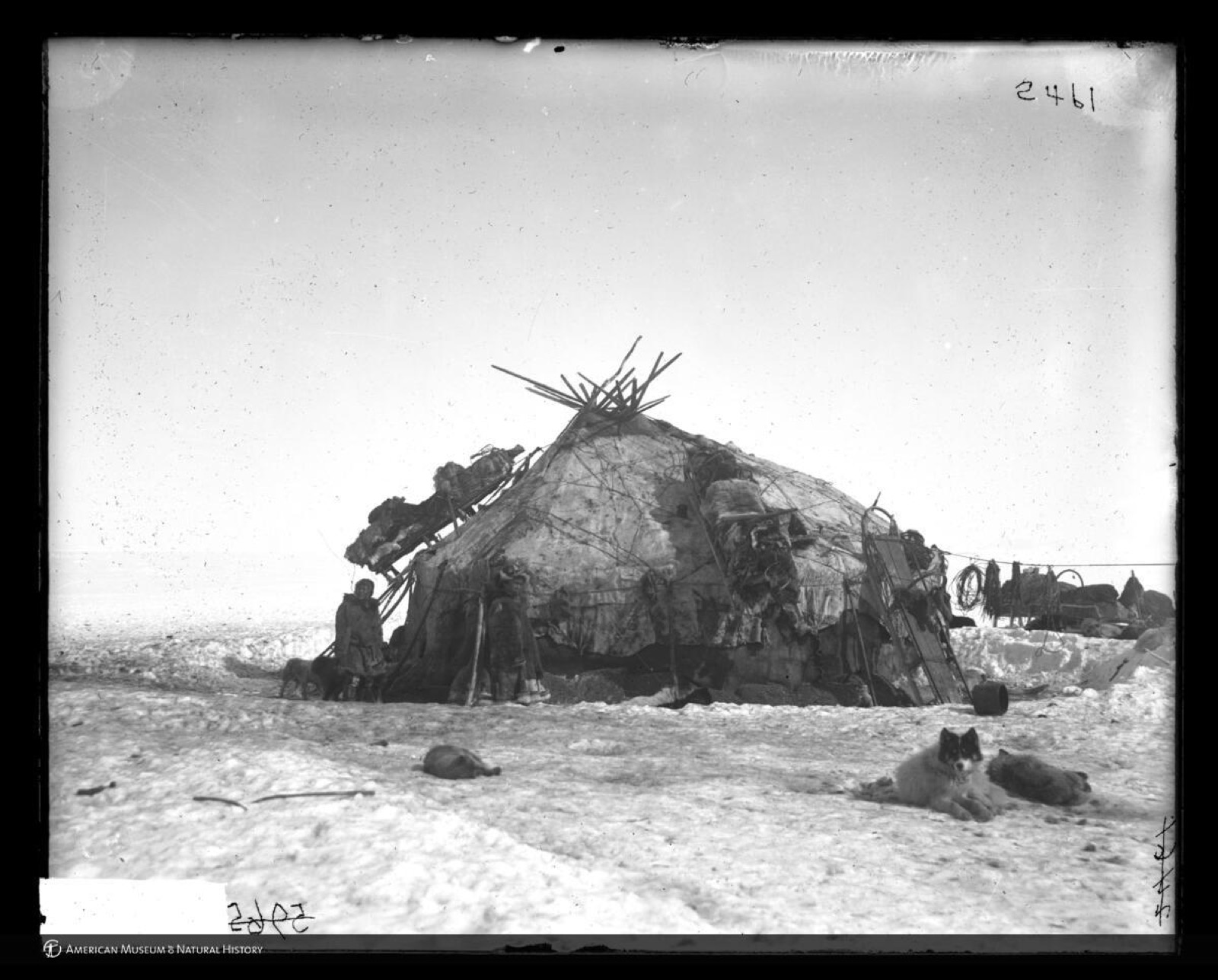
An ethnographer's account of fly-agaric use among the Chukchee and Koryak, including dosage, preparation, three stages of intoxication, the 'spirits of fly-agaric,' and urine-drinking to extend the effect. The text also records the mushroom's place in Chukchee myth.

Read more
Anaesthetics Antient and Modern: An Historical Sketch of Anaesthesia
Source, Undated (c. 1907–1910)

Anaesthetics Antient and Modern

An Historical Sketch of Anaesthesia

An illustrated history of anaesthesia issued by the London drug firm Burroughs Wellcome & Co., which closes by advertising its own 'Wellcome' brand chloroform. Hosted here are the chapters on nitrous oxide, ether, and chloroform, covering Horace Wells's 1844 self-experiment, the ether demonstrations of William Morton and Charles Jackson, and James Young Simpson's 1847 chloroform trial.

Read more
A Pluralistic Mystic
Source, 1910

A Pluralistic Mystic

William James's last published essay, an appreciation of Benjamin Paul Blood that appeared in the Hibbert Journal in July 1910, weeks before James died. James quotes Blood's pamphlets and letters at length and traces how the anaesthetic revelation, which James first read as monism, became for Blood the basis of a pluralist philosophy.

Read more
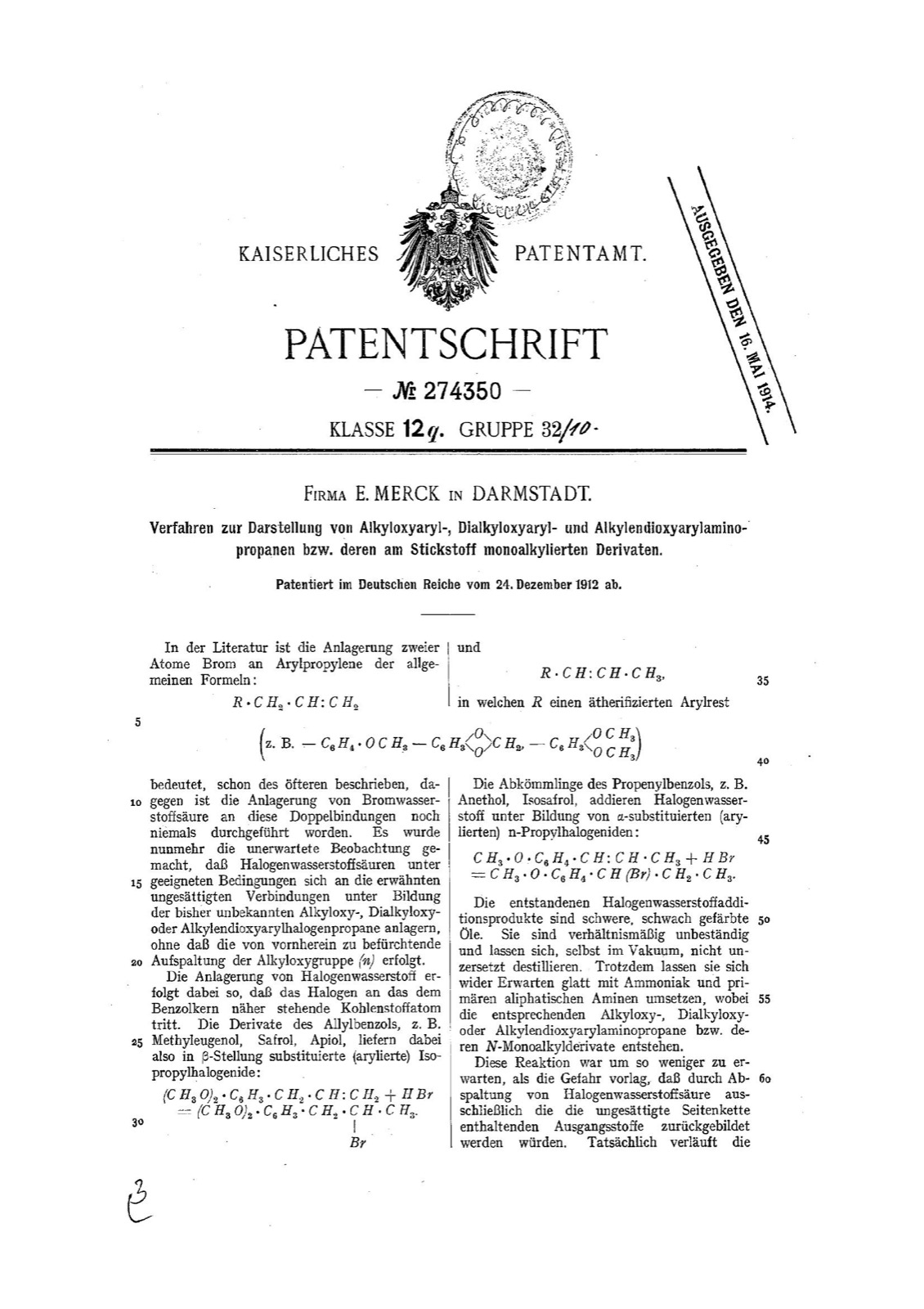
German Reich Patent No. 274350: Process for the Preparation of Alkyloxyaryl-, Dialkyloxyaryl- and Alkylenedioxyarylaminopropanes (Firm E. Merck, Darmstadt)
Source, Patented from 24 December 1912; specification published 1914

Merck Patent DE 274350

Process for the Preparation of Alkyloxyaryl-, Dialkyloxyaryl- and Alkylenedioxyarylaminopropanes (Firm E. Merck, Darmstadt)

German Reich Patent No. 274350 (1912) describes arylaminopropane synthesis from safrole. Example 4 yields MDMA by heating a brominated intermediate with methylamine—the earliest documented synthesis. The patent claims MDMA only as an unnamed chemical intermediate toward unspecified therapeutic compounds, not as a substance of interest itself.

Read more
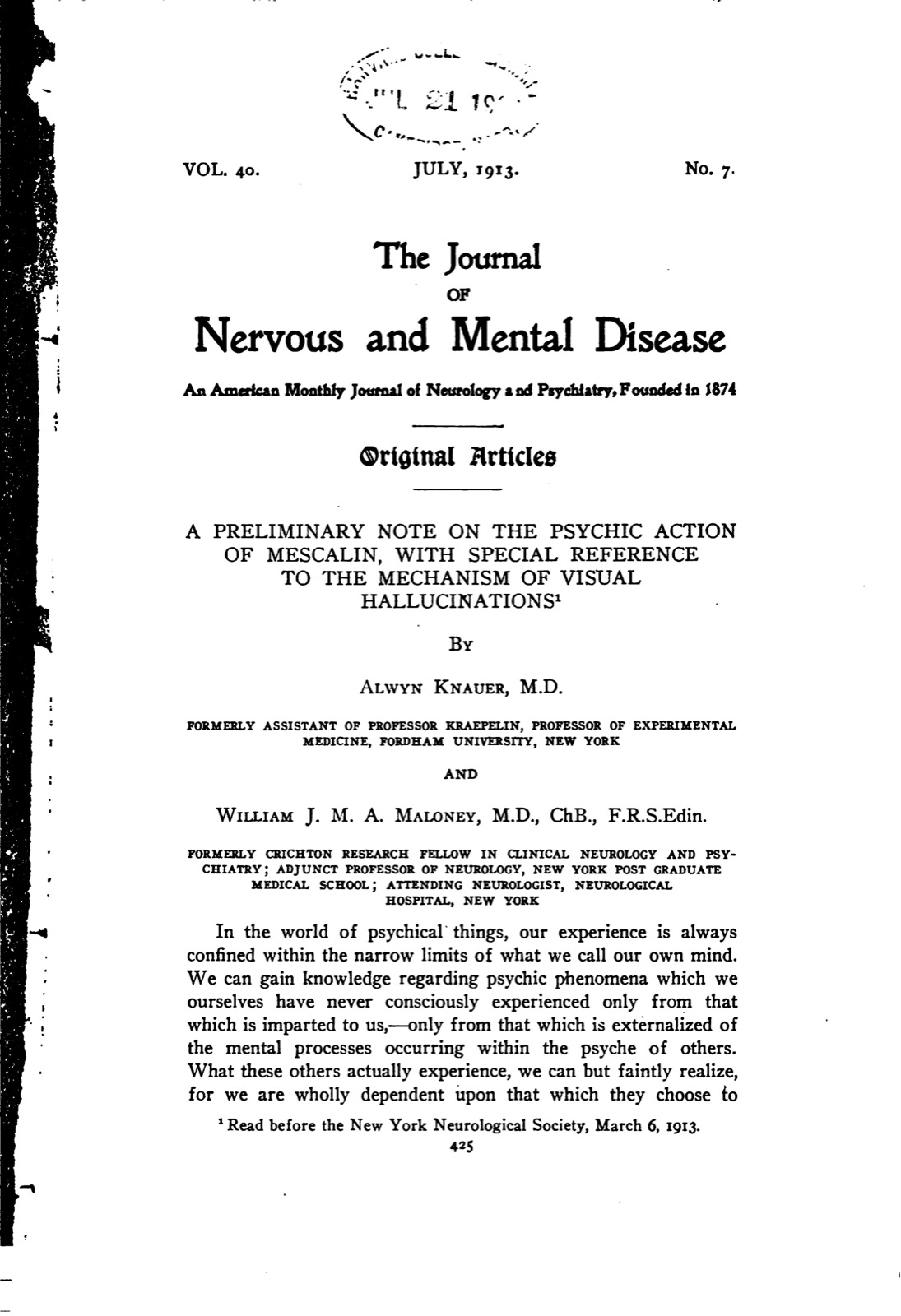
A Preliminary Note on the Psychic Action of Mescalin, with Special Reference to the Mechanism of Visual Hallucinations
Academic Article, July 1913

Psychic Action of Mescalin

New York psychiatrists inject themselves and colleagues with pure mescaline sulphate in twenty-three experiments to model insanity's visual hallucinations. Subjects' reports include specifics—a glass-screen head, the 'mosque of Omar'—and the authors propose a five-level theory of hallucinations versus images.

Read more
An Aztec Narcotic (Lophophora williamsii)
Academic Article, July 1915

An Aztec Narcotic

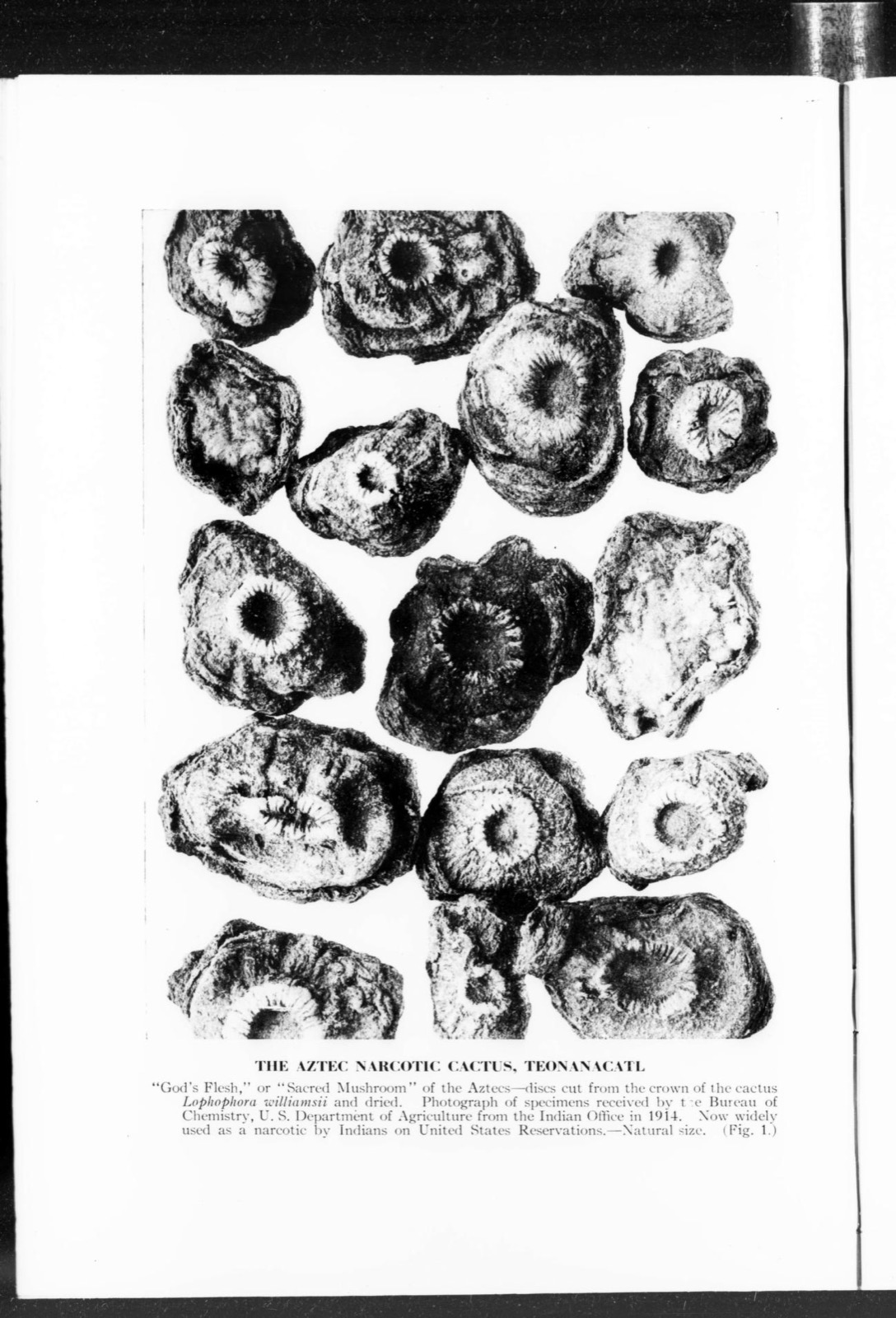
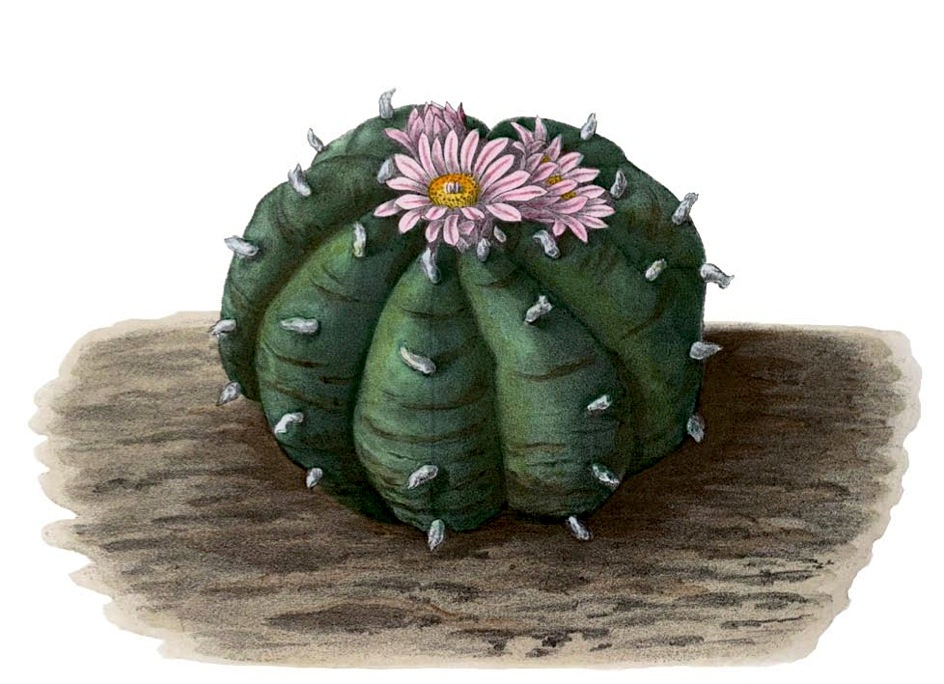
Safford, a USDA botanist, analyzes peyote's physiological effects and Native American ceremonial use in 1915. The article incorporates sworn testimony from Menominee, Omaha, and Winnebago members of the Sacred Peyote Society.

Read more
Koryak Texts
Book, 1917

Koryak Texts (Introduction and fly-agaric song)

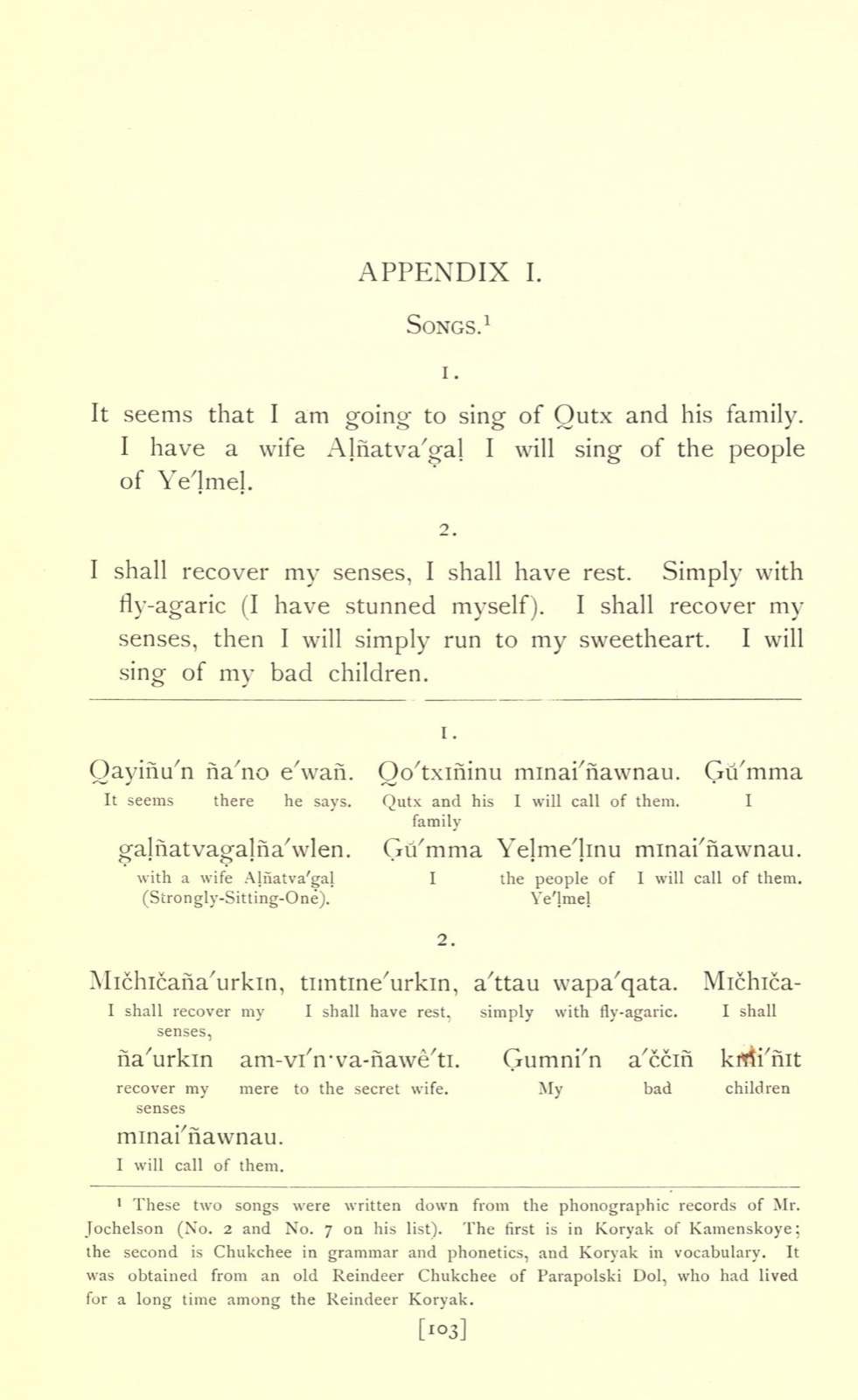
Excerpts from Bogoras's Koryak Texts, including the introduction and two songs transcribed from phonograph recordings. The second song, sung by an elderly Chukchee man, records an Indigenous voice describing fly-agaric use for recovering consciousness.

Read more
Testimony of Gertrude Bonnin (Zitkála-Šá) against Peyote, House Indian Affairs Subcommittee Hearings on H.R. 2614
Testimony, February 22, 1918

Zitkála-Šá Peyote Testimony (1918)

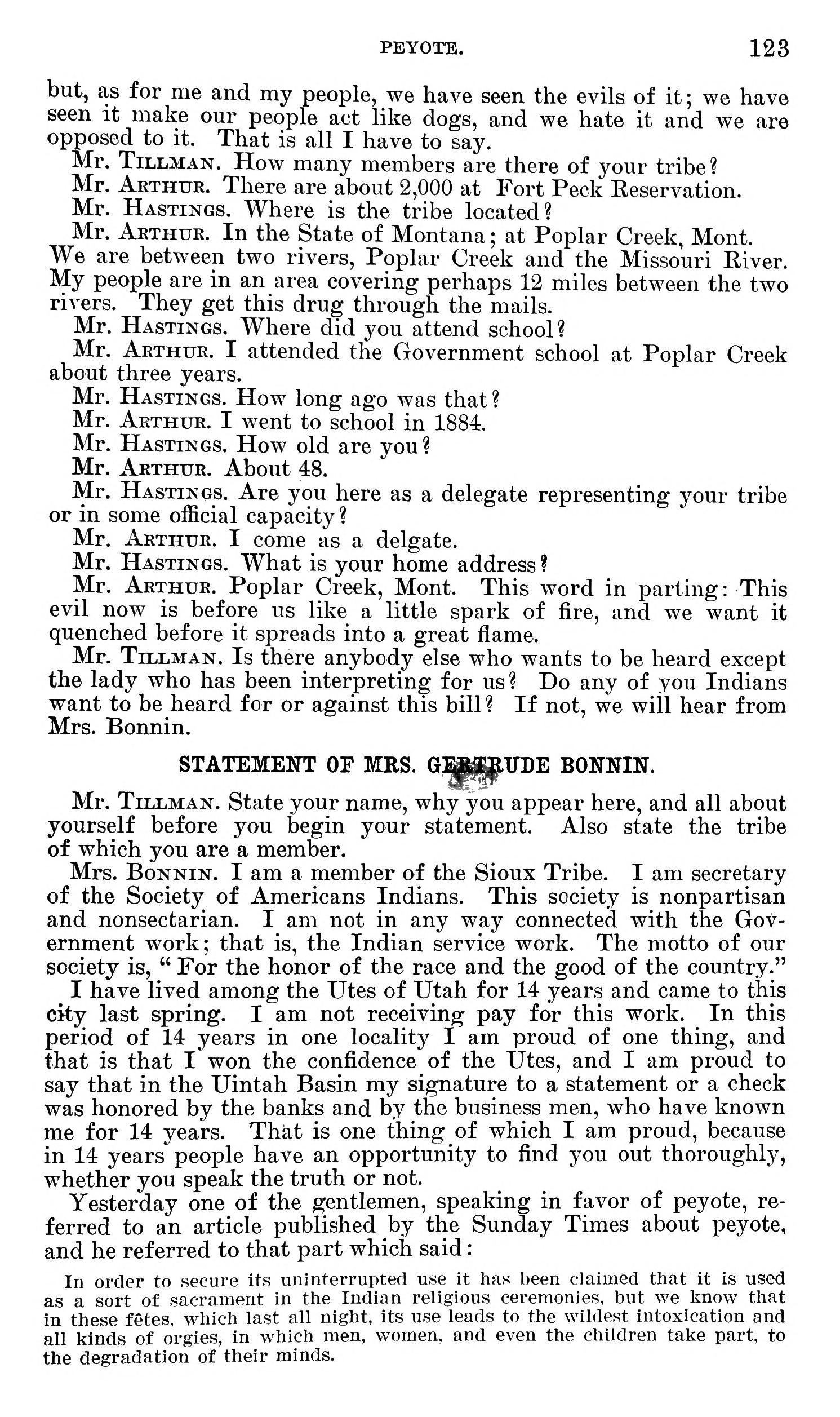
Gertrude Simmons Bonnin (Zitkála-Šá, 1876–1938), the Yankton Dakota writer and secretary of the Society of American Indians, testified against peyote on February 22, 1918, before the House Indian Affairs subcommittee considering H.R. 2614, a bill to prohibit peyote among Indians. Drawing on her fourteen years among the Utes of the Uintah Basin, she described deaths, sexual misconduct, and fraud by the peyote missionary Peter Phelps, and she disputed the ethnologist James Mooney (1861–1921), who had ridiculed her newspaper photograph the day before. The record hosts her statement and cross-examination in full, her additional statement, the signed statements she co-authored, and the passages by Mooney and Cleaver Warden that answer her.

Read more
Articles of Incorporation of the Native American Church
Manuscript, October 10, 1918

Native American Church Articles of Incorporation (1918)

Filed with the Oklahoma Secretary of State on October 10, 1918, these articles incorporated the Native American Church as a religious and benevolent association. The purpose sections frame peyote as a Christian sacrament, giving the pan-tribal peyote religion legal standing.

Read more
Peyote: Hearings Before a Subcommittee of the Committee on Indian Affairs, House of Representatives, on H.R. 2614
Testimony, February–March 1918

Peyote Hearings, H.R. 2614 (1918)

Hearings Before a Subcommittee of the Committee on Indian Affairs, House of Representatives, on H.R. 2614

A subcommittee of the House Committee on Indian Affairs held February-March 1918 hearings on H.R. 2614, a bill to prohibit peyote use in Indian Country. Witnesses included ethnologist James Mooney, Osage chief Fred Lookout, Omaha ethnographer Francis La Flesche, Arapaho delegate Cleaver Warden, and Cheyenne-Arapaho Paul Boynton.

Read more
Book, 1919

A gunner under ether, 1918

From Smashing Through "the World War" with Fighting Battery C

An American soldier who served in World War I describes being hit by a shell in July of 1918 and his subsequent experience with ether, having "peep[ed] behind the veil, which separates life from death."

Read more
De los nombres botánicos aztecas
Academic Article, December 1919

On Aztec Botanical Names

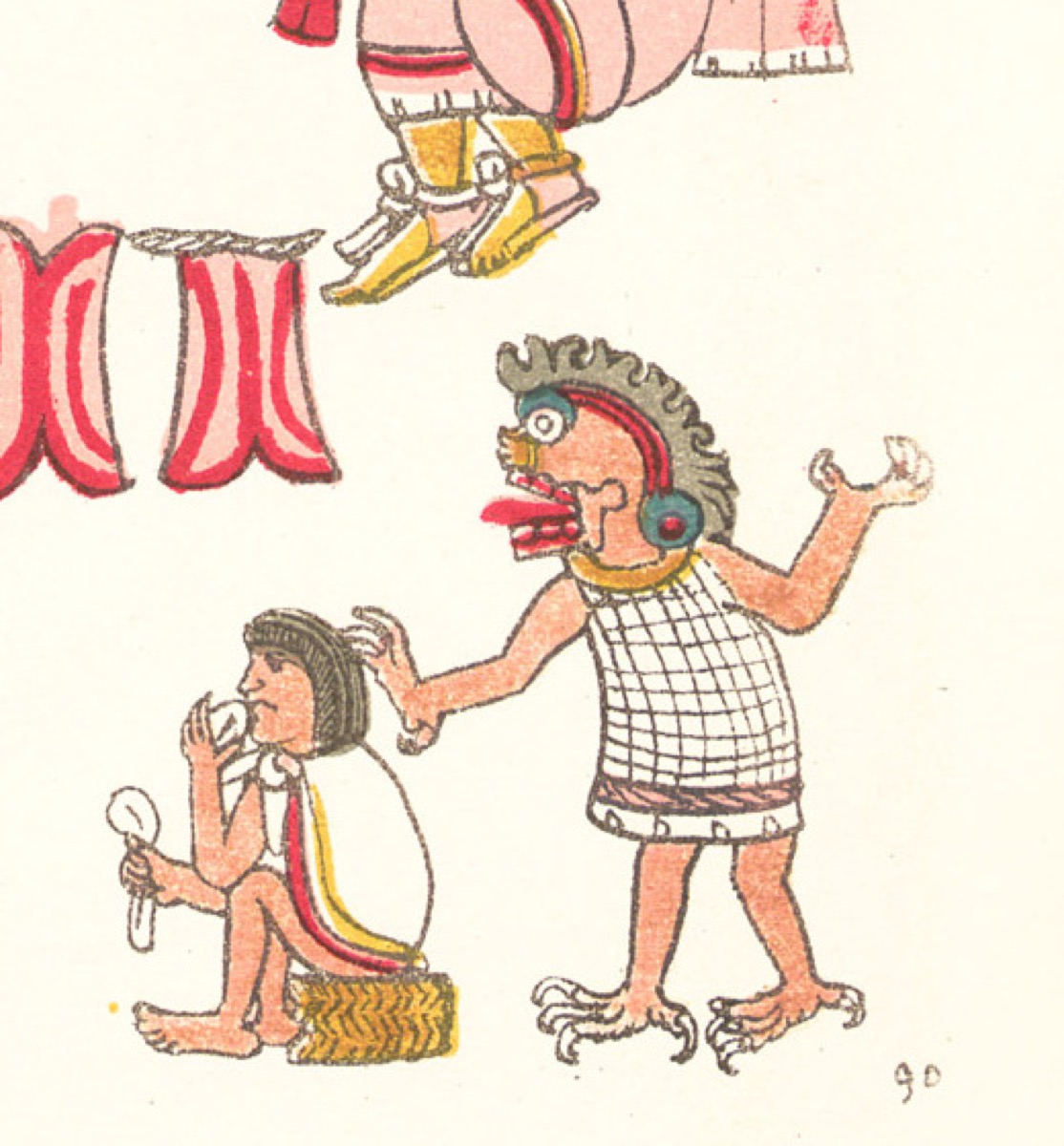
An essay by physician and ethnobotanist Blas Pablo Reko arguing against Safford's claim that teonanácatl was a fanciful name for peyote. Reko insists teonanácatl was a real mushroom still eaten by Indigenous communities in Oaxaca.

Read more
The Anaesthetic Revelation, from Pluriverse
Source, 1920

The Anaesthetic Revelation, from Pluriverse

Benjamin Paul Blood's last book, published in 1920, the year after his death, with an introduction by Horace Kallen. Hosted here is the opening of the final chapter, "The Anaesthetic Revelation," where Blood compares the anaesthetic insight to the trance cattle fall into at spilled blood and quotes James on the "artificial mystic state of mind."

Read more
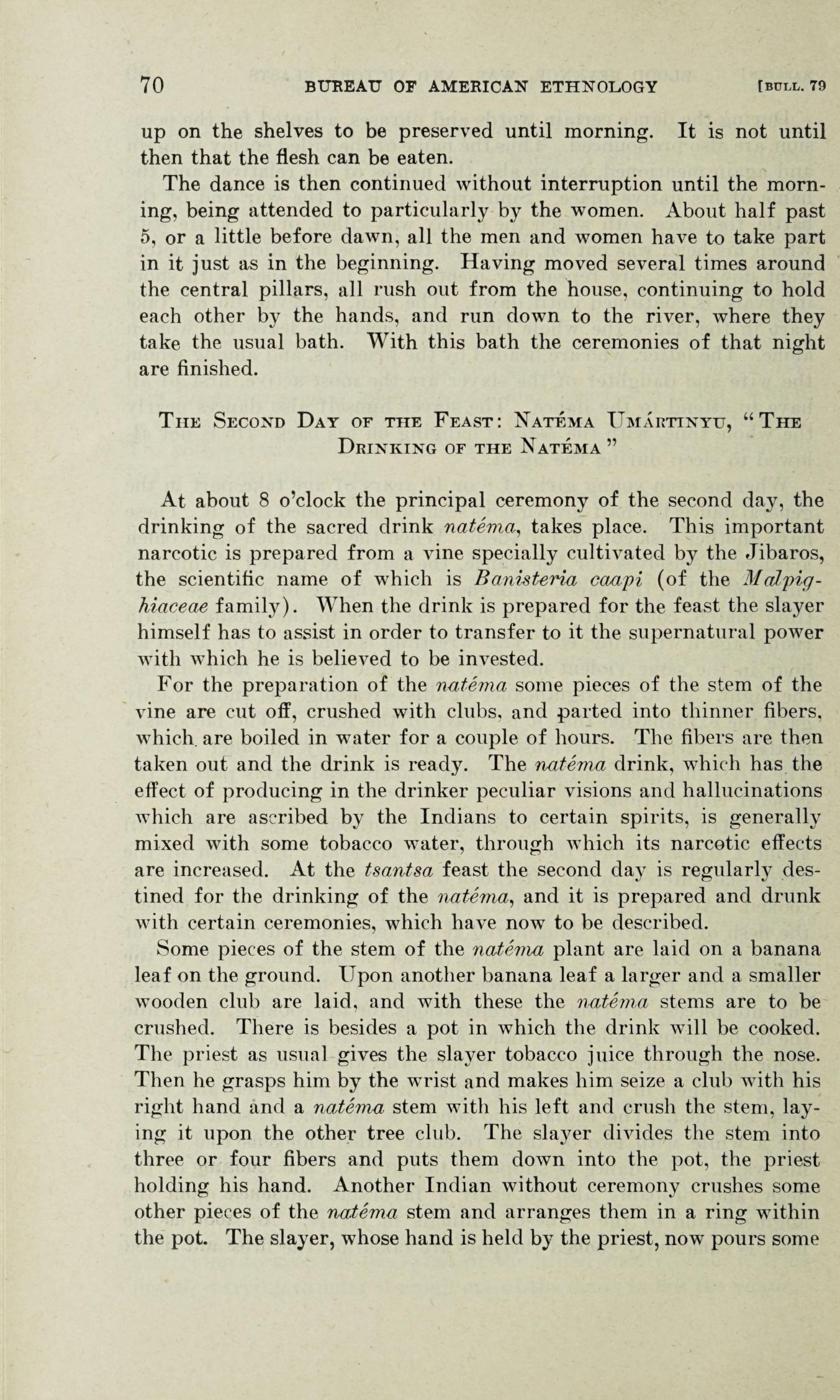
Blood Revenge, War, and Victory Feasts among the Jibaro Indians of Eastern Ecuador
Field Notes, 1923

Blood Revenge, War, and Victory Feasts among the Jibaro Indians

Anthropologist Rafael Karsten's account of a Jívaro victory feast describes the natéma ceremony, in which the vision-inducing drink made from Banisteria caapi and tobacco is prepared ritually and drunk communally. The passage covers preparation, the emetic effect, and beliefs that the visions foretell prosperity.

Read more
Estudio sobre el principio activo del Yagé
Academic Article, 1923

Study on the Active Principle of Yagé

A 1923 doctoral thesis reporting Fischer Cárdenas's isolation of the yagé alkaloid that Rafael Zerda Bayón had named telepathine (telepatina) decades earlier without isolating it. Seven case reports detail effects on human subjects, including the author's self-experiment, describing vivid dreams, visual hallucinations, and euphoria at low doses, followed by a systematic summary of physiological action.

Read more
State v. Big Sheep
Source, January 26, 1926

State v. Big Sheep

The Montana Supreme Court reverses a Crow man's peyote conviction, finding the state failed to establish jurisdiction over an offense on the Crow Reservation. The court addresses federal Indian law and rejects the defendant's religious-use defense, but does not decide the jurisdictional question, remanding for new trial.

Read more
Documents pour servir à l'étude du yagé
Academic Article, April 1926

Documents Toward a Study of Yagé

Rouhier's two-part dossier for Bulletin des Sciences Pharmacologiques: a translation of Barriga Villalba's 1923 paper on alkaloid yagéine, followed by Rouhier's ethnographic and pharmacological notes. Rouhier catalogues dose-dependent effects and includes chemical analysis of a Jívaro preparation.

Read more
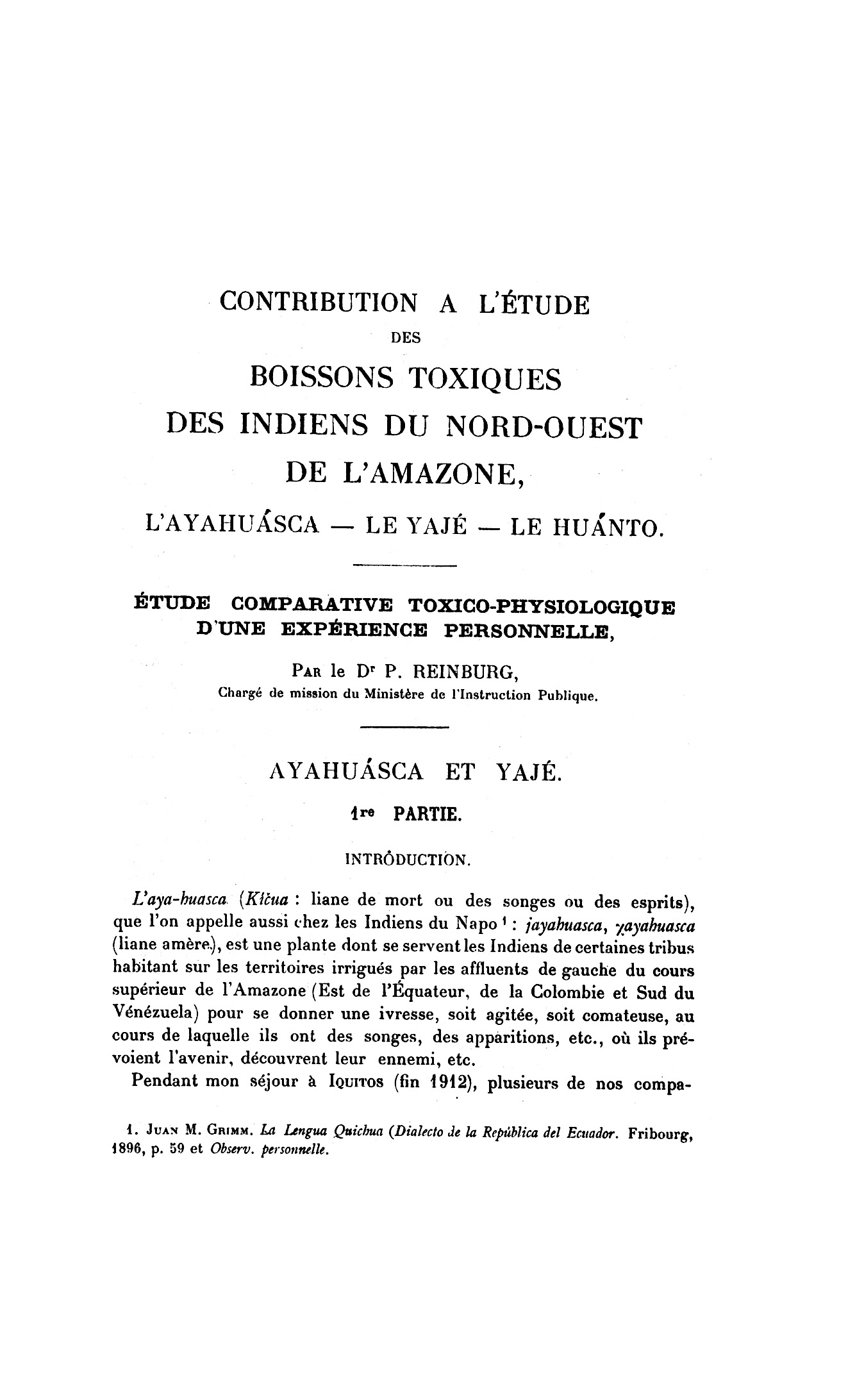
Sur une substance enivrante, la banistérine, extraite de Banisteria Caapi
Academic Article, 1928

On Banisterine, an Intoxicating Substance from Banisteria Caapi

Berlin pharmacologist Louis Lewin announces his isolation of banisterine from Banisteria caapi and its identity to harmine. He describes animal experiments and preliminary human trials showing that banisterine relieved the muscular rigidity of encephalitis lethargica (post-influenza sleeping sickness).

Read more
The Elements of Mazatec Witchcraft
Academic Article, 1939

The Elements of Mazatec Witchcraft

A Berkeley anthropologist's field survey of Mazatec witchcraft from a 1938 expedition to Huautla de Jiménez, Oaxaca. Hosted here is a fair-use excerpt: Johnson's eyewitness account of a curing ceremony he and his party attended on July 16, 1938 -- the first outsider-witnessed session involving the sacred mushrooms -- along with his description of the mushroom species and their ritual use among Mazatec brujos.

Read more
Teonanacatl: The Narcotic Mushroom of the Aztecs
Academic Article, July-September 1940

Teonanacatl

The Narcotic Mushroom of the Aztecs

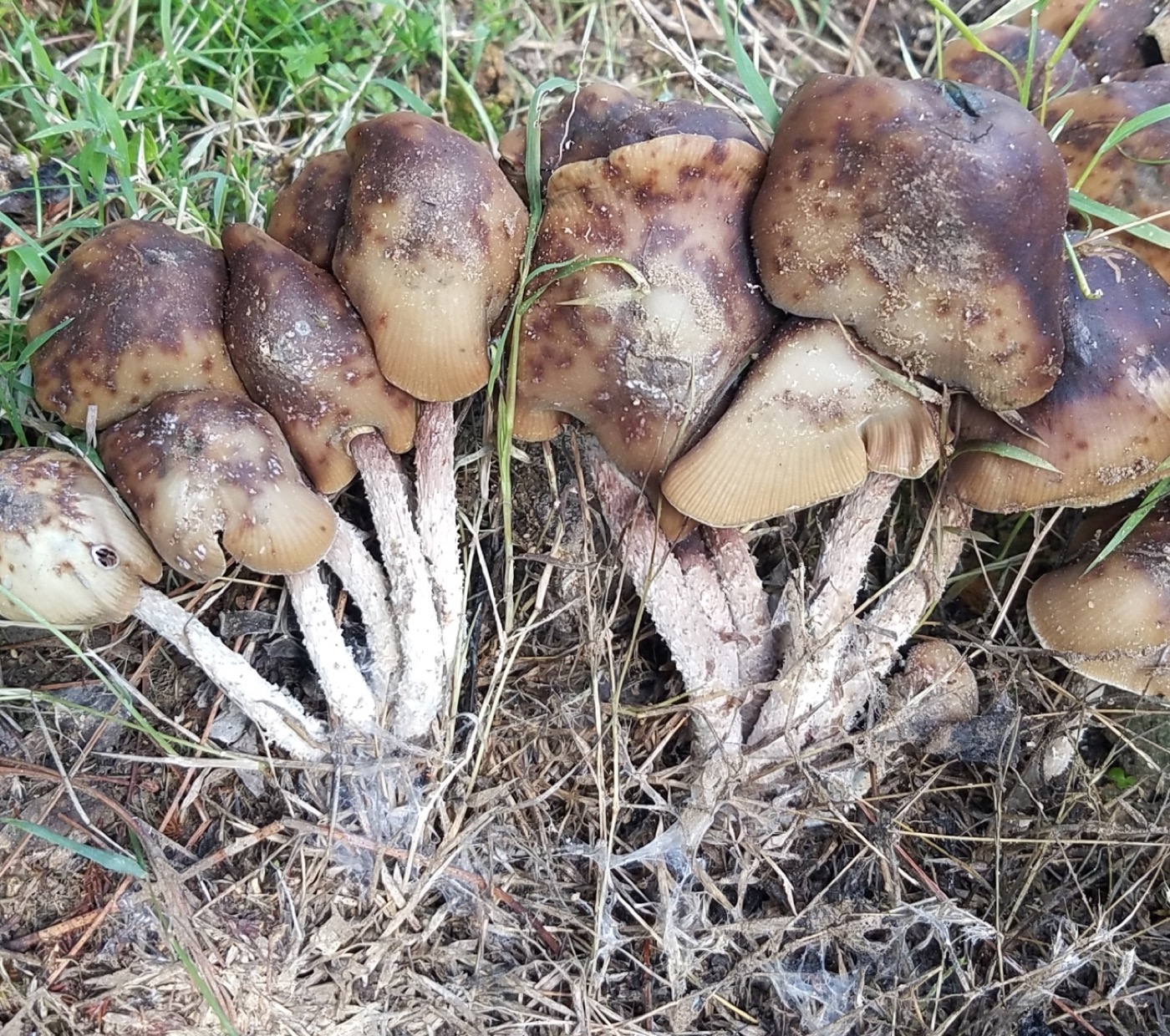
Schultes's botanical account of his 1938-39 fieldwork with Blas Pablo Reko among the Mazatec, tracing the teonanácatl rediscovery from Reko's 1923 letter through Robert Weitlaner's 1936 visit to Huautla de Jiménez. Schultes identifies the mushroom as Paneolus campanulatus var. sphinctrinus.

Read more
A Contribution to Our Knowledge of Rivea Corymbosa: The Narcotic Ololiuqui of the Aztecs
Academic Article, 1941

A Contribution to Our Knowledge of Rivea Corymbosa

The Narcotic Ololiuqui of the Aztecs

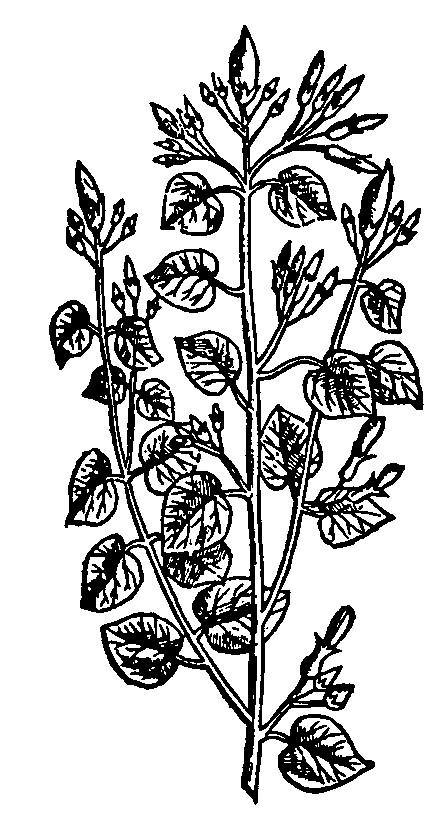
Schultes's botanical monograph settling the identity of ololiuqui, the Aztec morning-glory narcotic. He credits Urbina's 1897 identification as Rivea corymbosa, corrects Safford's 1915 misidentification as jimsonweed, and surveys continued ritual and medicinal use among the Chinantec, Mazatec, Mixtec, and Zapotec of Oaxaca.

Read more