Virola theiodora como alucinógena e tóxica
A short Brazilian natural-products chemistry article confirming the double use of Virola theiodora bark in Yomanê hallucinogenic snuff and arrow poison from the Tototobi River region of Roraima.
Topic
DMT in snuffs, brews, and clinical research.

A short Brazilian natural-products chemistry article confirming the double use of Virola theiodora bark in Yomanê hallucinogenic snuff and arrow poison from the Tototobi River region of Roraima.

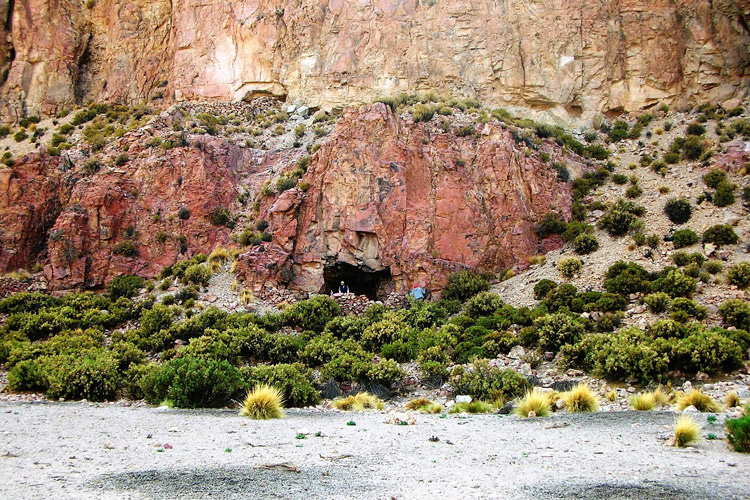
A high-Andean ritual bundle with direct chemical evidence for multiple psychoactive plants
A rock shelter in southwestern Bolivia where archaeologists found direct chemical evidence for ancient use of coca, harmine-bearing plants, DMT-bearing plants, and possibly psilocin.

An Update (NIDA Research Monograph 146)
Proceedings of a 1992 NIDA technical review on hallucinogen research, prompted by rising LSD use among teenagers. Includes Rick Strassman's account of the regulatory process (IRB, DEA, FDA) for his DMT study, the first human hallucinogen study approved since the early 1970s.

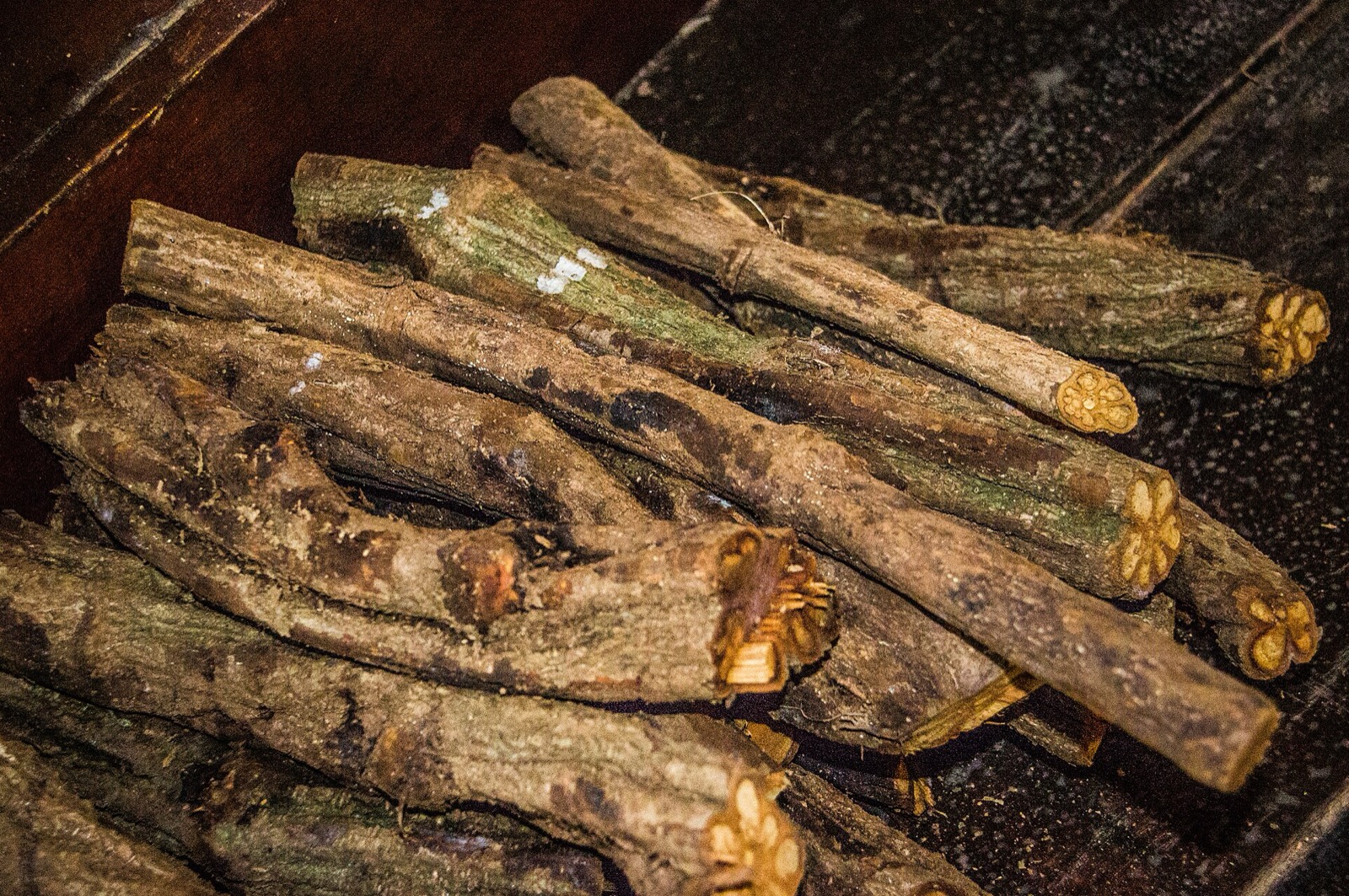
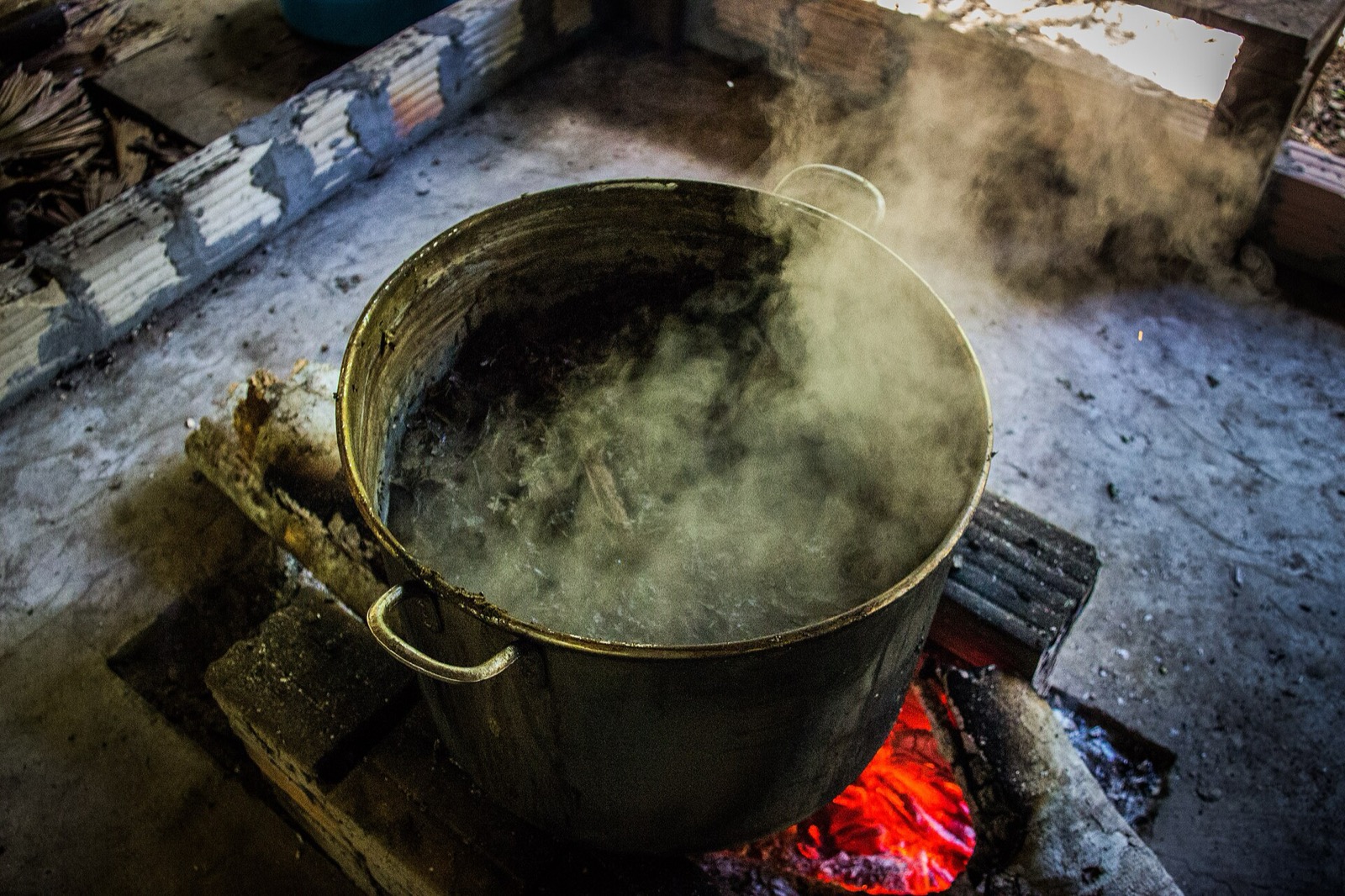
Chief Justice Roberts holds the federal government failed to show a compelling interest justifying its ban on the Uniao do Vegetal church's sacramental use of hoasca (ayahuasca tea with DMT) under the Religious Freedom Restoration Act. The Court rejects the UN Convention argument and upholds the peyote precedent for religious exemptions to the Controlled Substances Act.

A federal court ruling applying Gonzales v. O Centro to the Santo Daime church in Oregon, granting the right to import and drink ayahuasca under RFRA. Judge Panner's findings describe the religion's origins, ritual, physiological effects, and the government's health and diversion evidence.