Back to topics

Topic

Pharmacology

Chemistry, isolation, and physiological study of psychoactive substances.

17
Sources
18
People
5
Eras
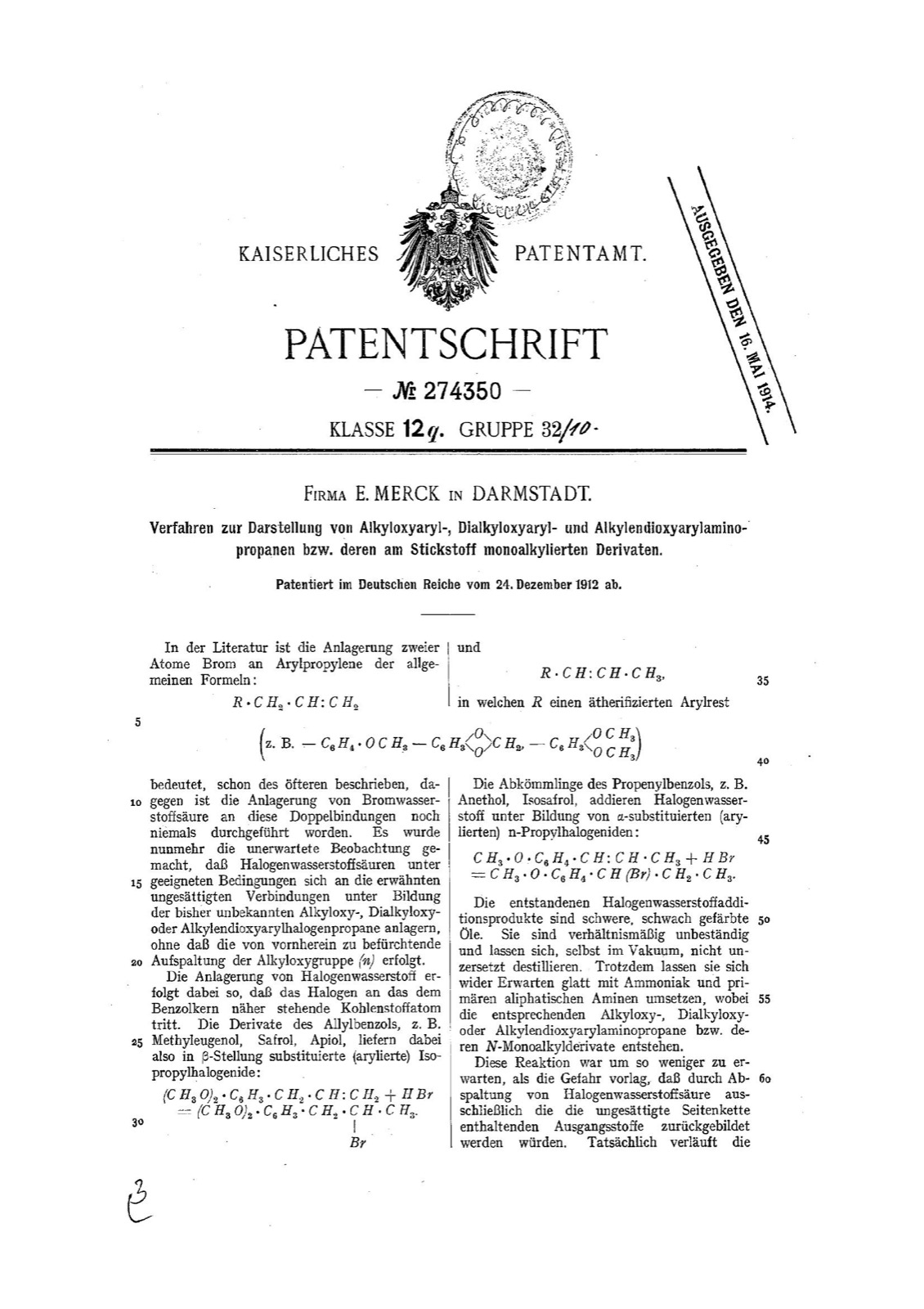
German Reich Patent No. 274350: Process for the Preparation of Alkyloxyaryl-, Dialkyloxyaryl- and Alkylenedioxyarylaminopropanes (Firm E. Merck, Darmstadt)

Merck Patent DE 274350

Process for the Preparation of Alkyloxyaryl-, Dialkyloxyaryl- and Alkylenedioxyarylaminopropanes (Firm E. Merck, Darmstadt)

German Reich Patent No. 274350 (1912) describes arylaminopropane synthesis from safrole. Example 4 yields MDMA by heating a brominated intermediate with methylamine—the earliest documented synthesis. The patent claims MDMA only as an unnamed chemical intermediate toward unspecified therapeutic compounds, not as a substance of interest itself.

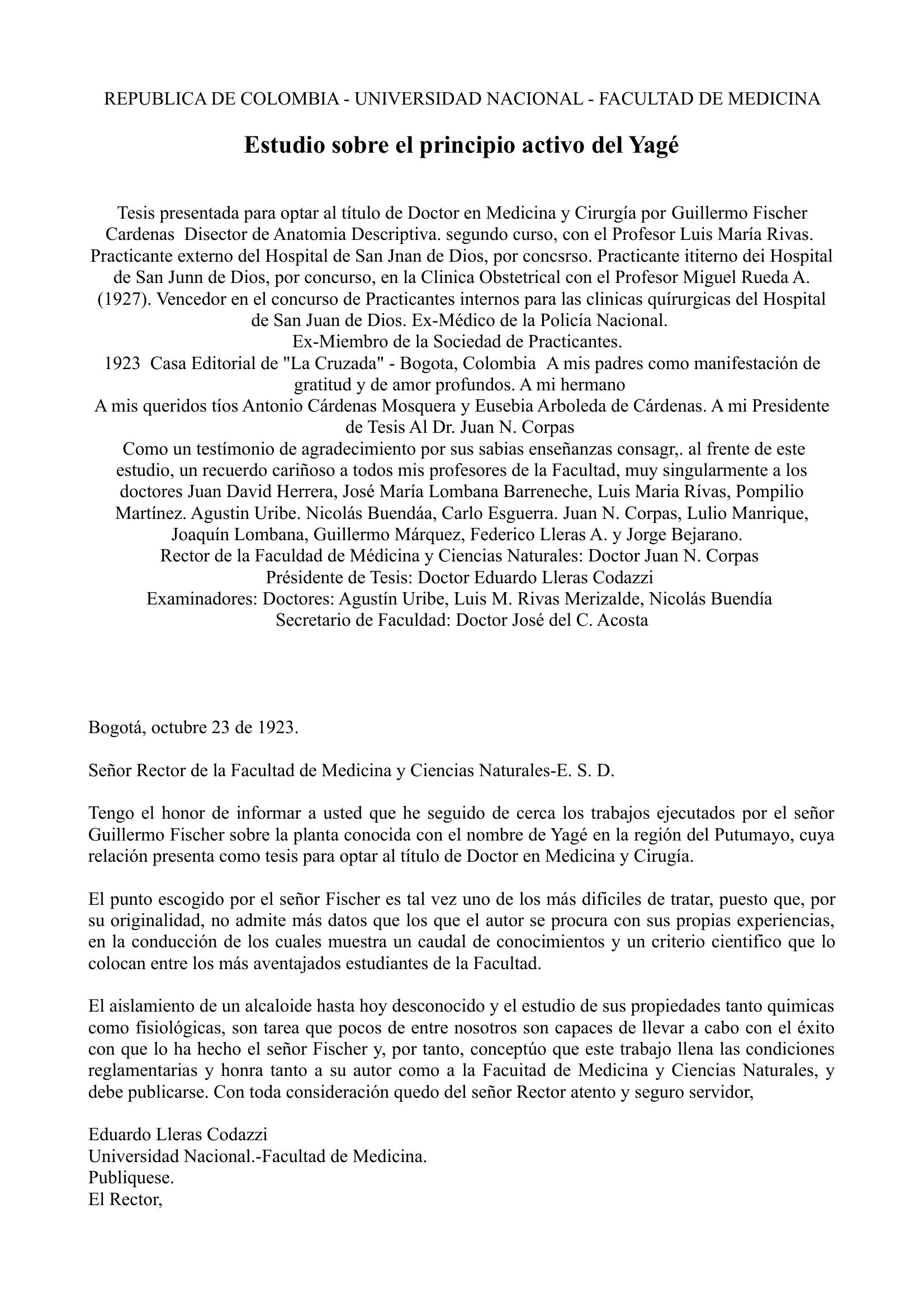
Estudio sobre el principio activo del Yagé

Study on the Active Principle of Yagé

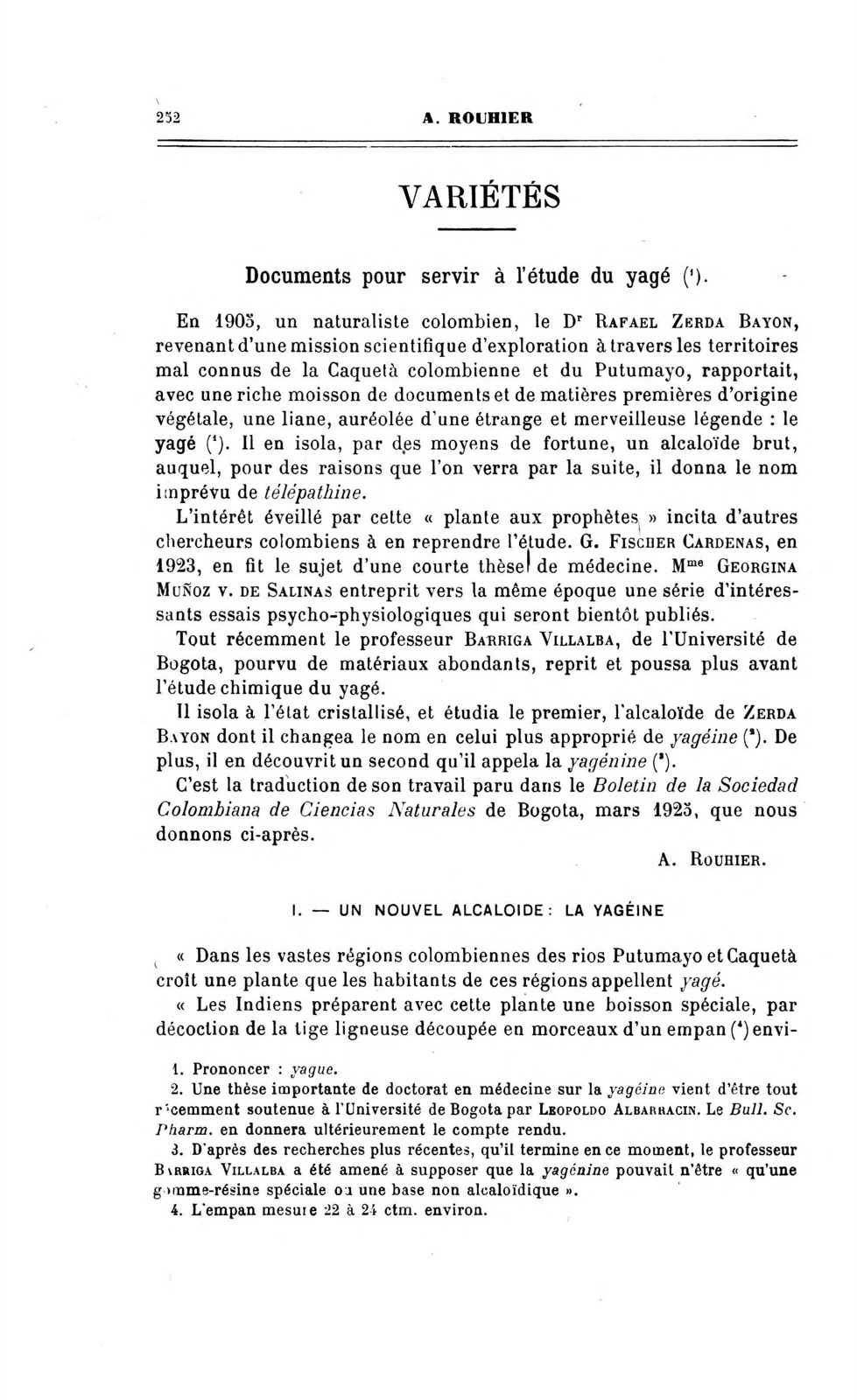
A 1923 doctoral thesis reporting Fischer Cárdenas's isolation of the yagé alkaloid that Rafael Zerda Bayón had named telepathine (telepatina) decades earlier without isolating it. Seven case reports detail effects on human subjects, including the author's self-experiment, describing vivid dreams, visual hallucinations, and euphoria at low doses, followed by a systematic summary of physiological action.

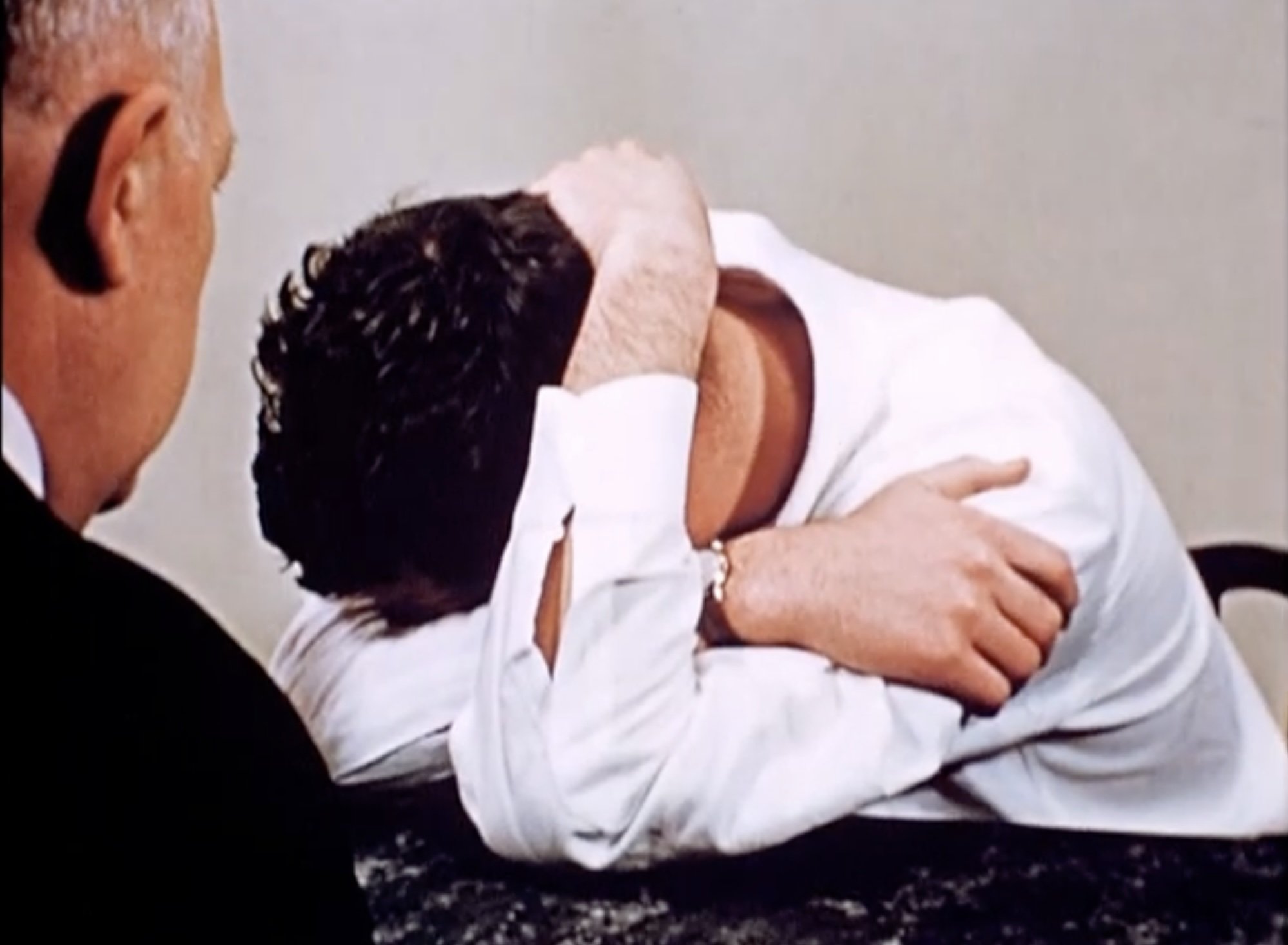
Experimental Compound MER 17 (Frenquel) and LSD-25

Experimental Compound MER 17 (Frenquel) and LSD-25

A 1955 medical film made for the drug company Wm. S. Merrell about Howard D. Fabing's experiments at Christ Hospital in Cincinnati. A 22-year-old graduate student, "Ronnie," takes 100 micrograms of LSD; the film then shows Merrell's compound MER-17 (azacyclonol, sold as Frenquel) given to prevent or reverse the effects. It belongs to the 1950s search for drugs that could block a "model psychosis."

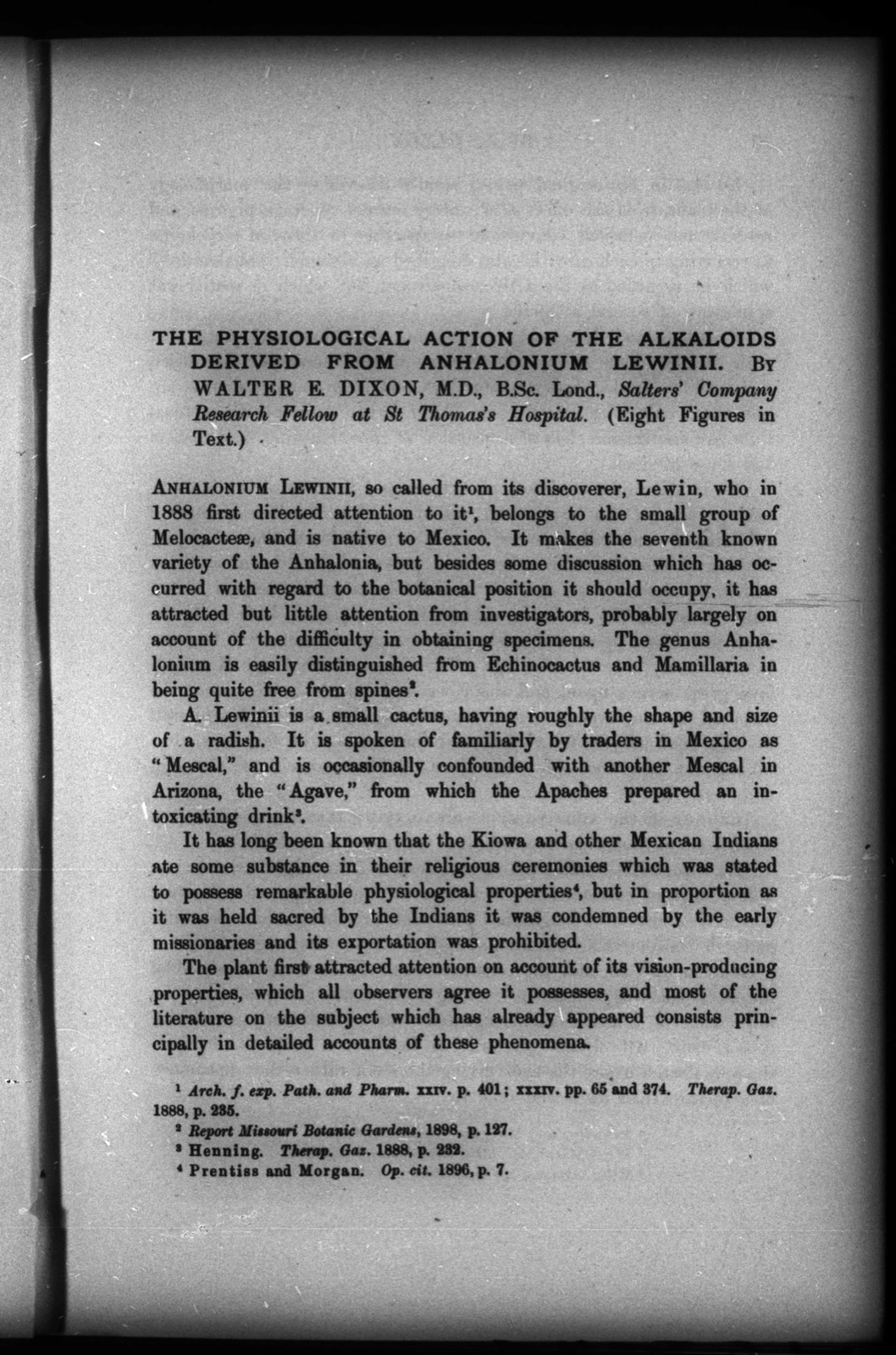
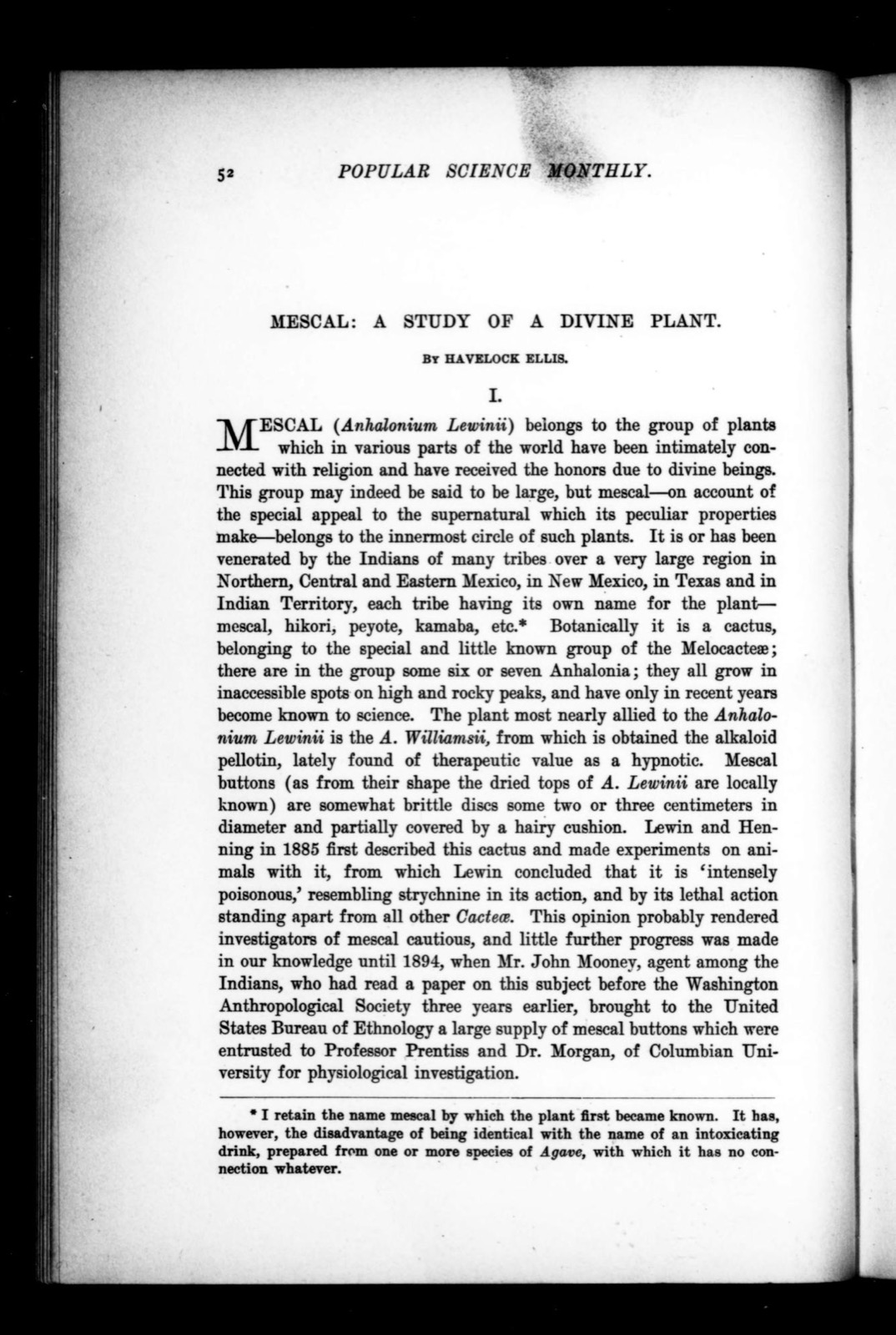
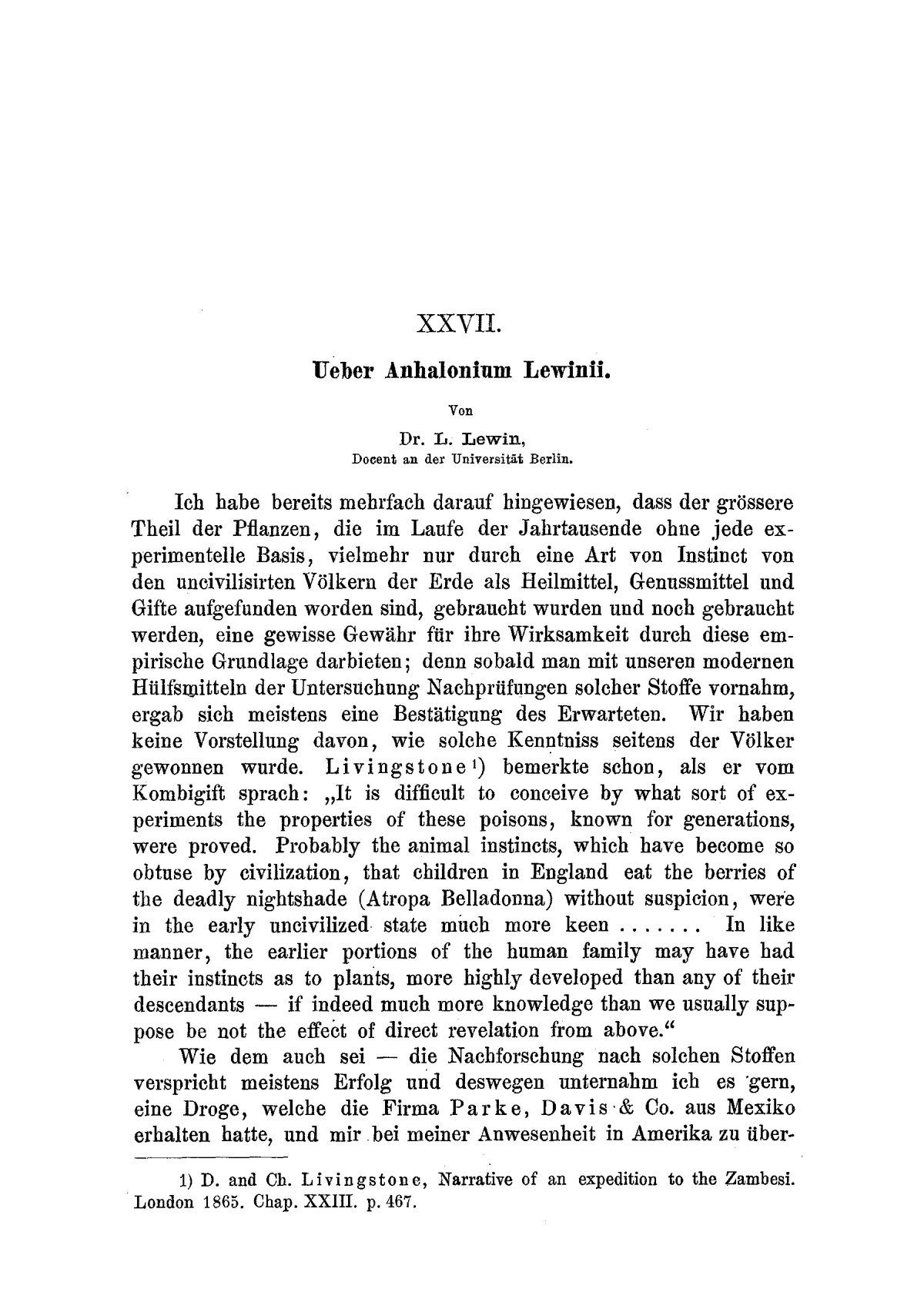
Ueber Anhalonium Lewinii

On Anhalonium Lewinii

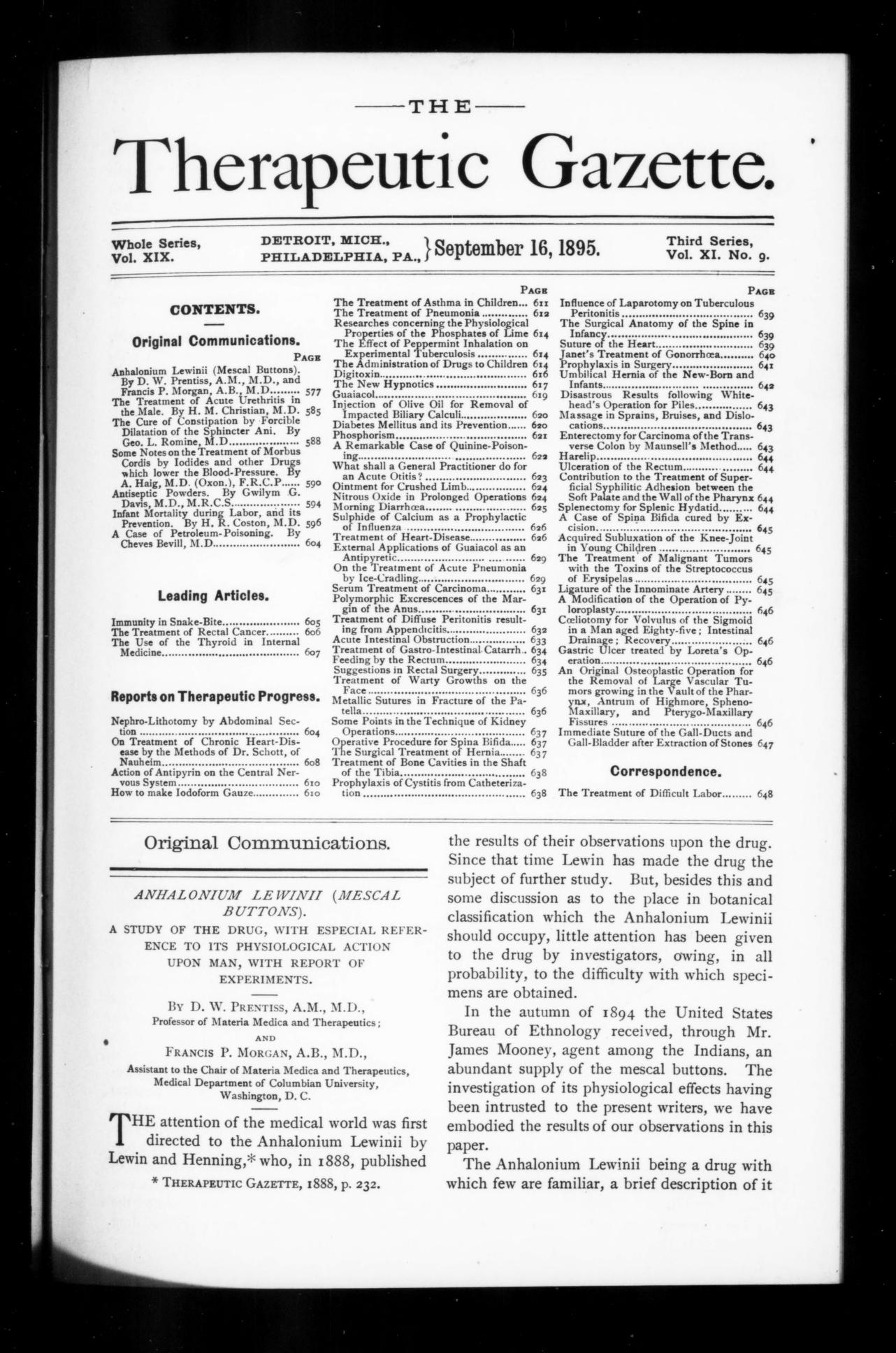
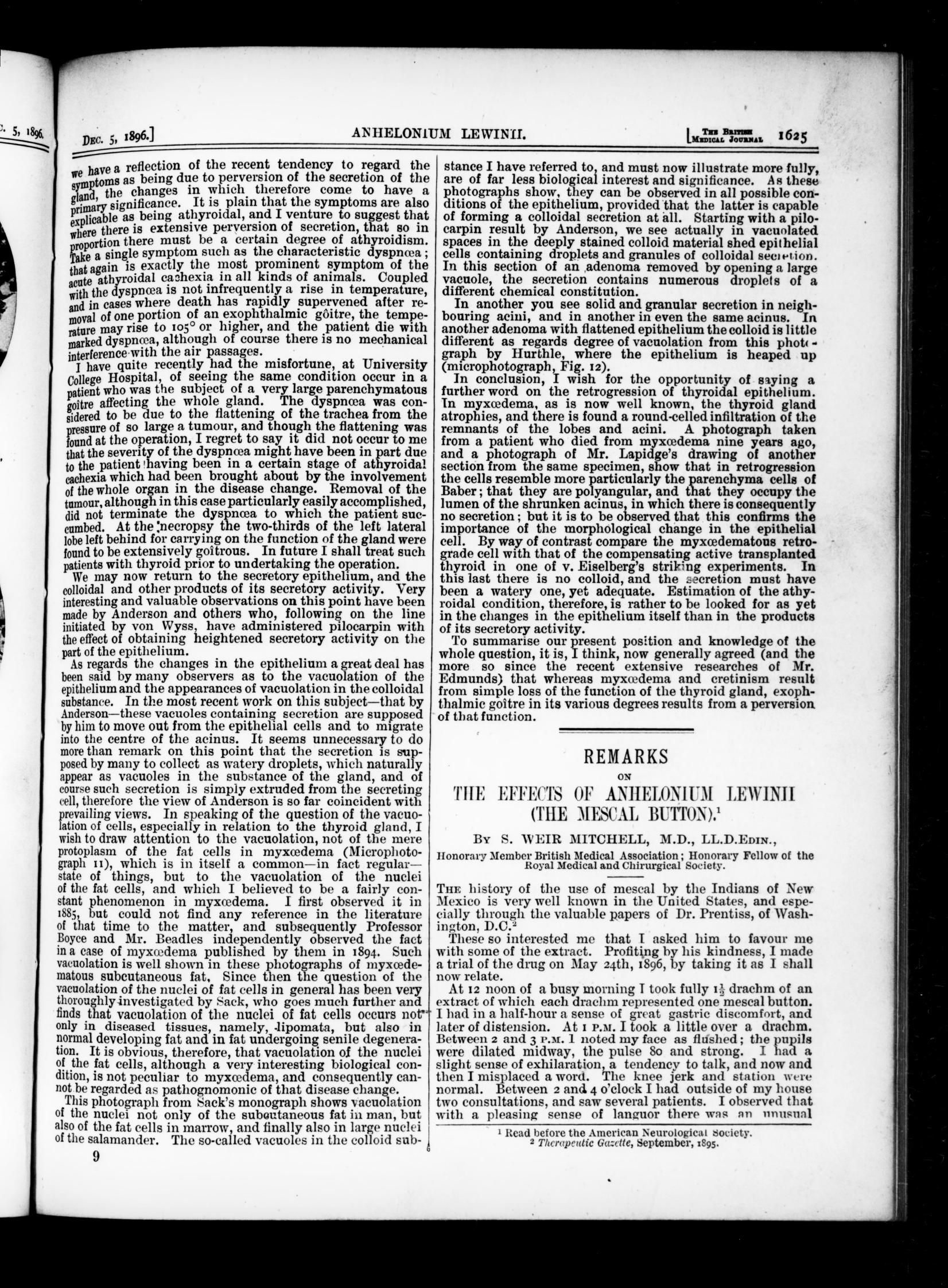
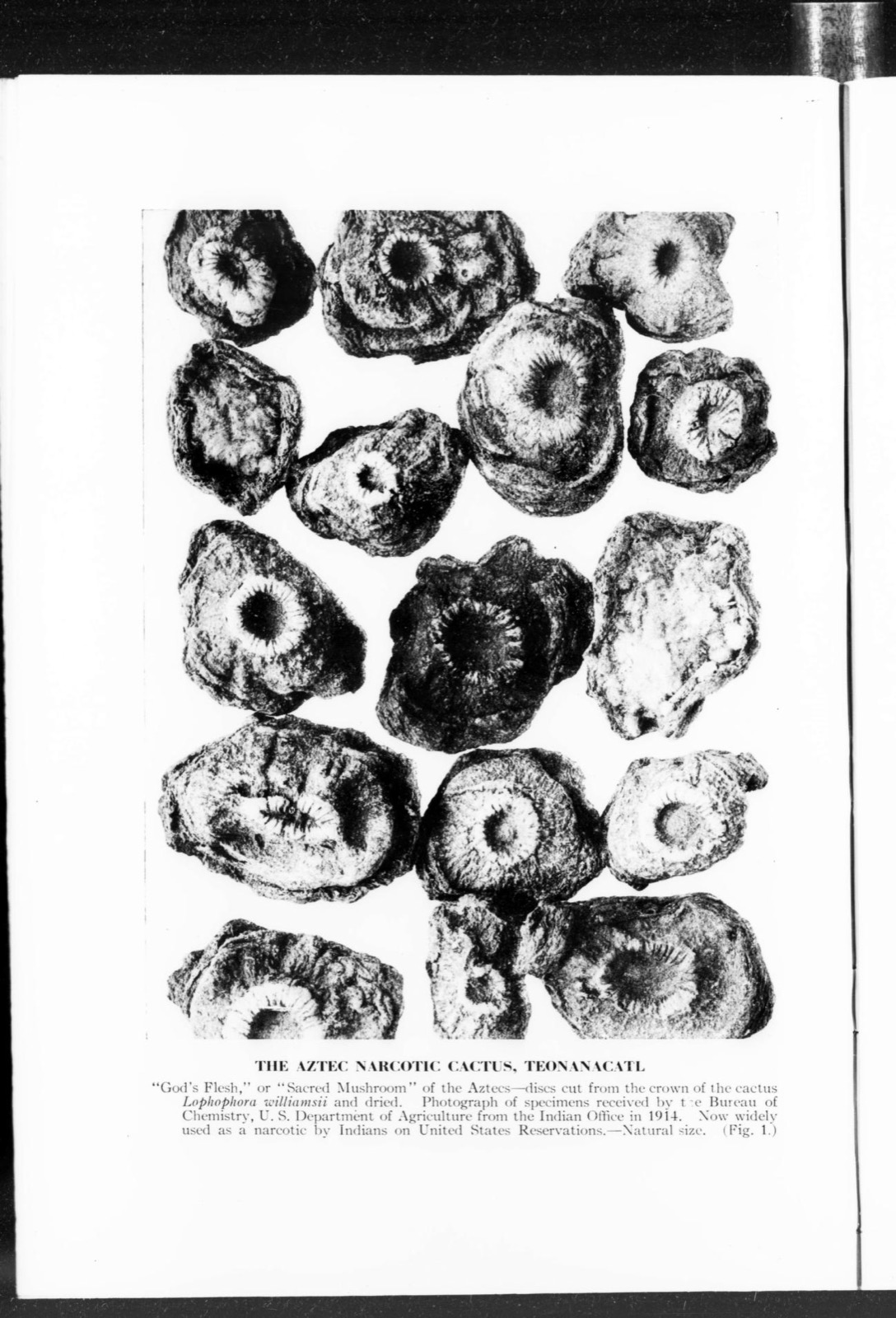
Berlin pharmacologist Louis Lewin (1850–1929) reports on "Muscale Buttons" received from Parke, Davis & Co. during a visit to the United States in 1887. The botanist Paul Hennings identified the dried cactus as a new species and named it Anhalonium Lewinii after him, and Lewin describes a crude base he called anhalonine and its strychnine-like convulsant effects in frogs, pigeons and rabbits. Hosted here are the introduction, the preliminary chemistry, and the full section on the drug's effects, with the historical survey of cacti omitted.

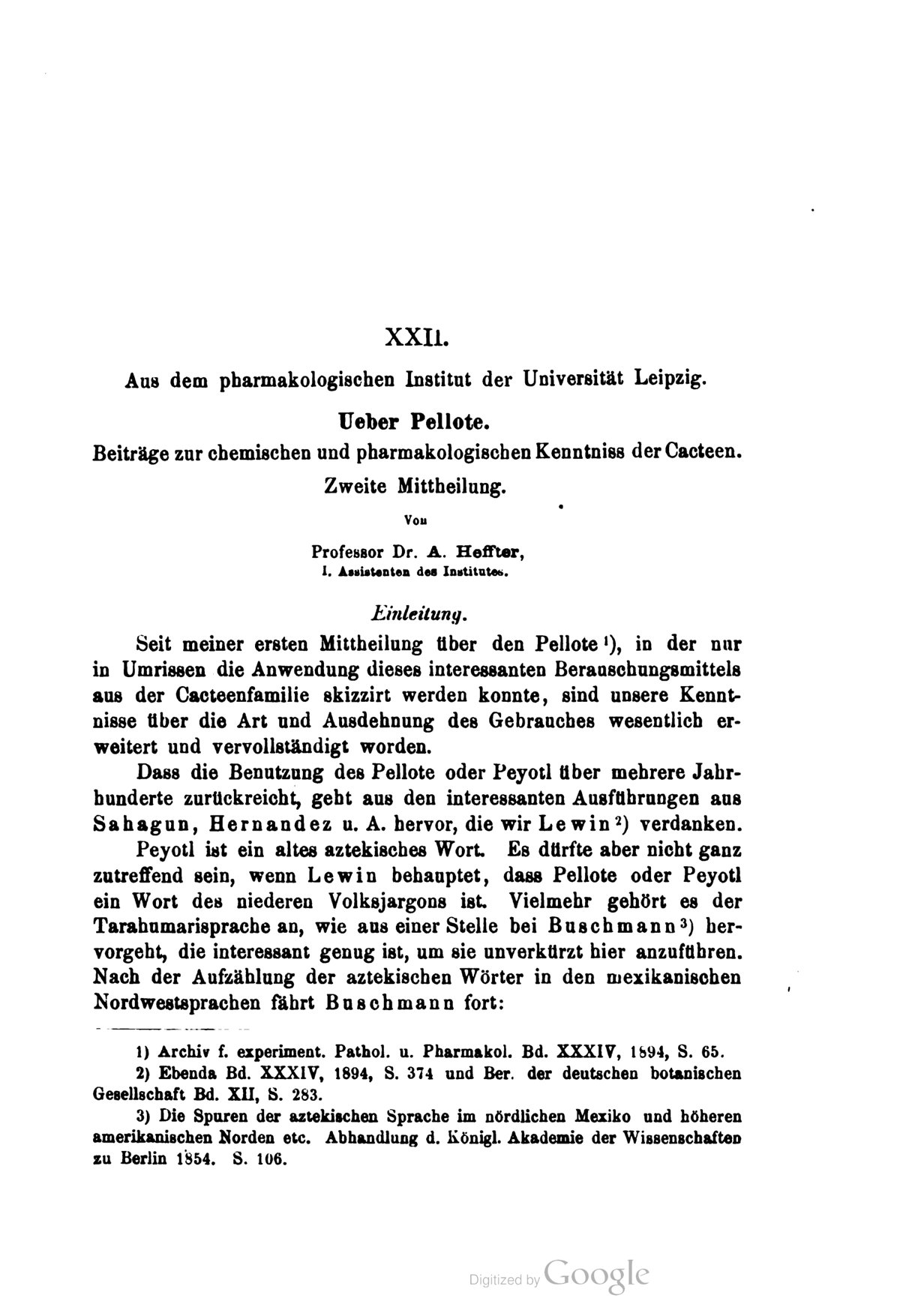
Ueber Pellote. Beiträge zur chemischen und pharmakologischen Kenntniss der Cacteen. Zweite Mittheilung

On Pellote (Second Communication)

Leipzig pharmacologist Arthur Heffter (1859–1925) reports his separation of five alkaloids from mescal buttons, among them mescaline ("Mezcalin"), and a series of self-experiments made between June and November 1897. Testing the whole drug, its resin, the mixed alkaloids and each isolated base in turn, he found that 0.15 g of mescaline hydrochloride alone reproduced the visions, slowed pulse, dilated pupils and loss of time sense produced by the cactus. Hosted here are the description of mescaline and its salts and the whole of section VI on the drug's action in humans.