Back to topics

Topic

Ayahuasca

Ayahuasca, yagé, caapi, and their alkaloids, from Amazonian practice to laboratory chemistry and court cases.

13
Sources
14
People
6
Eras
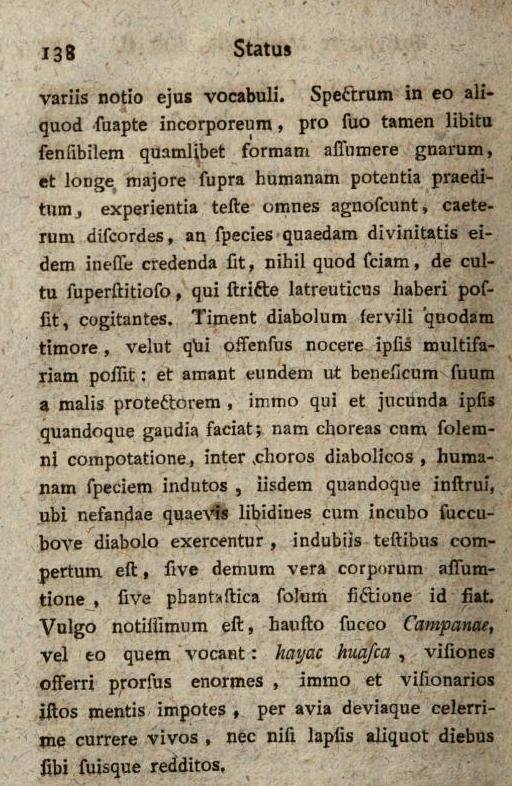
Franz Xaver Veigl on Ayahuasca in Maynas

Franz Xaver Veigl on Ayahuasca in Maynas

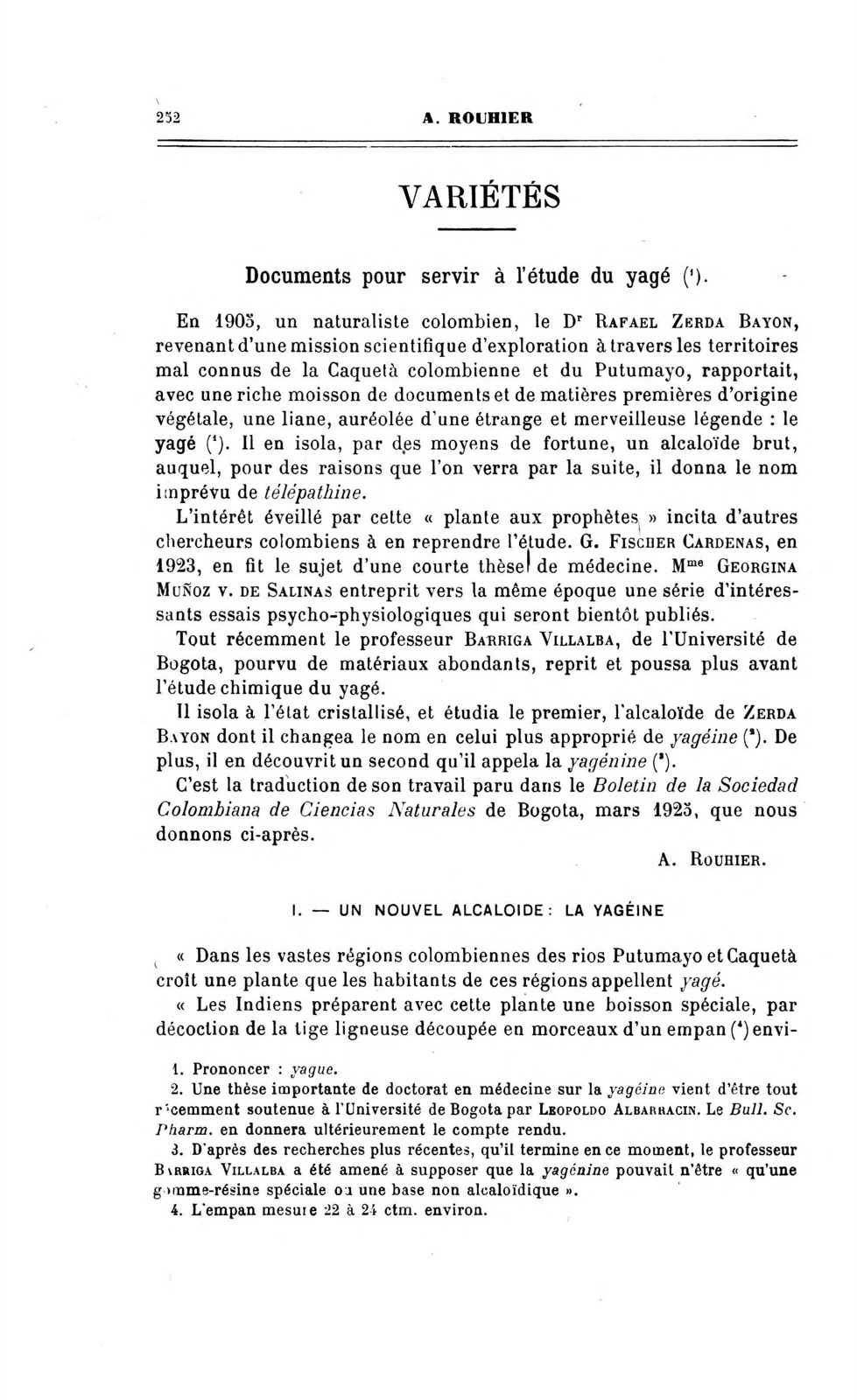
Franz Xaver Veigl, a German Jesuit who worked in the mission province of Maynas in the upper Amazon until the Jesuits were expelled in 1768, describes healers and visionary drinks there. He writes that people who drank "hayac huasca" saw "absolutely enormous visions" and seemed to travel far away, and, like other missionaries of his time, he treats this as dealings with the devil. English translation of Latin passages from his account of Maynas.

Caapi and Niopo in “On Some Remarkable Narcotics of the Amazon Valley and Orinoco”

Caapi and Niopo in “On Some Remarkable Narcotics of the Amazon Valley and Orinoco”

Richard Spruce on ayahuasca, yopo/paricá, and Amazonian medicine-men

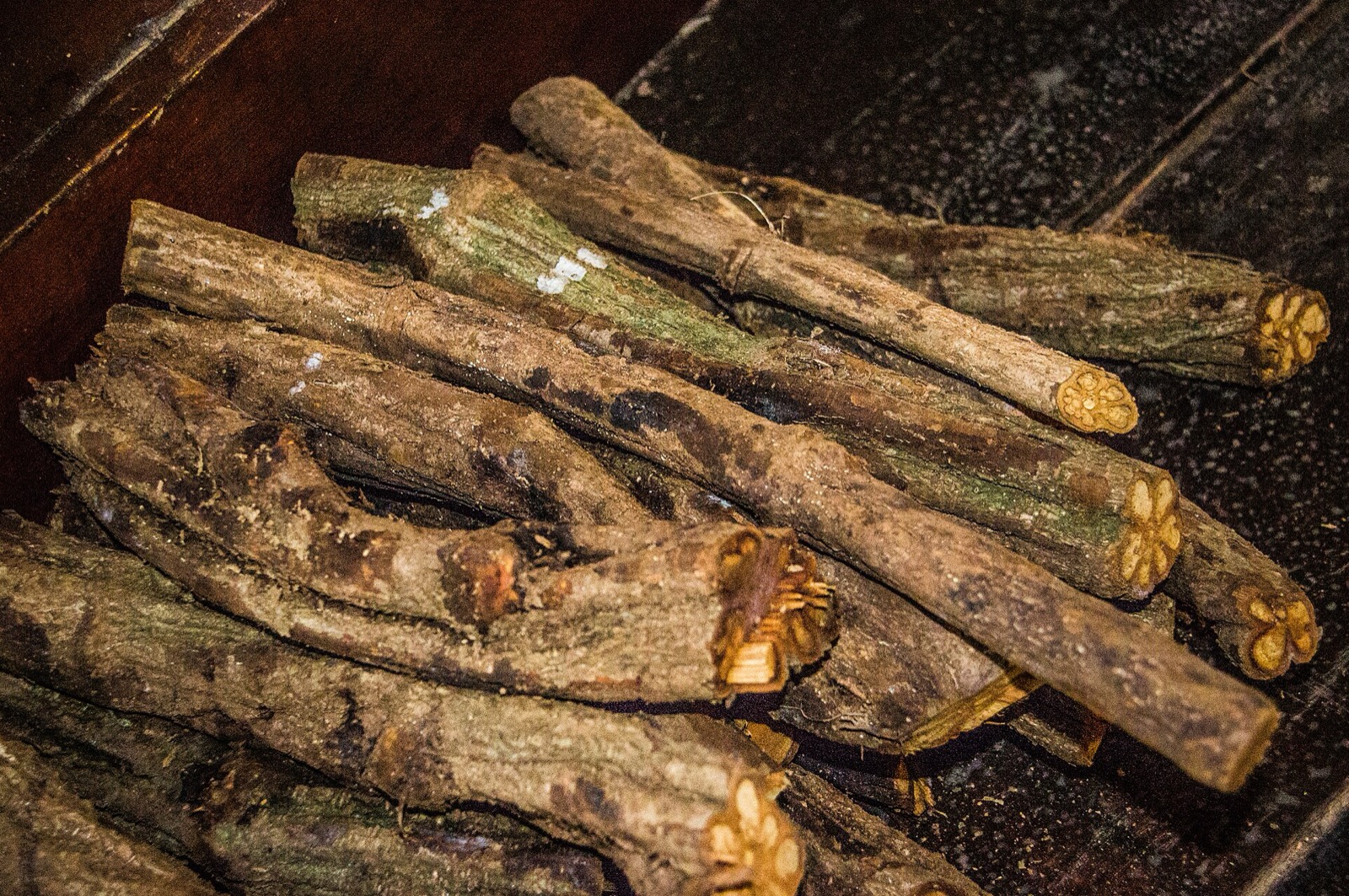
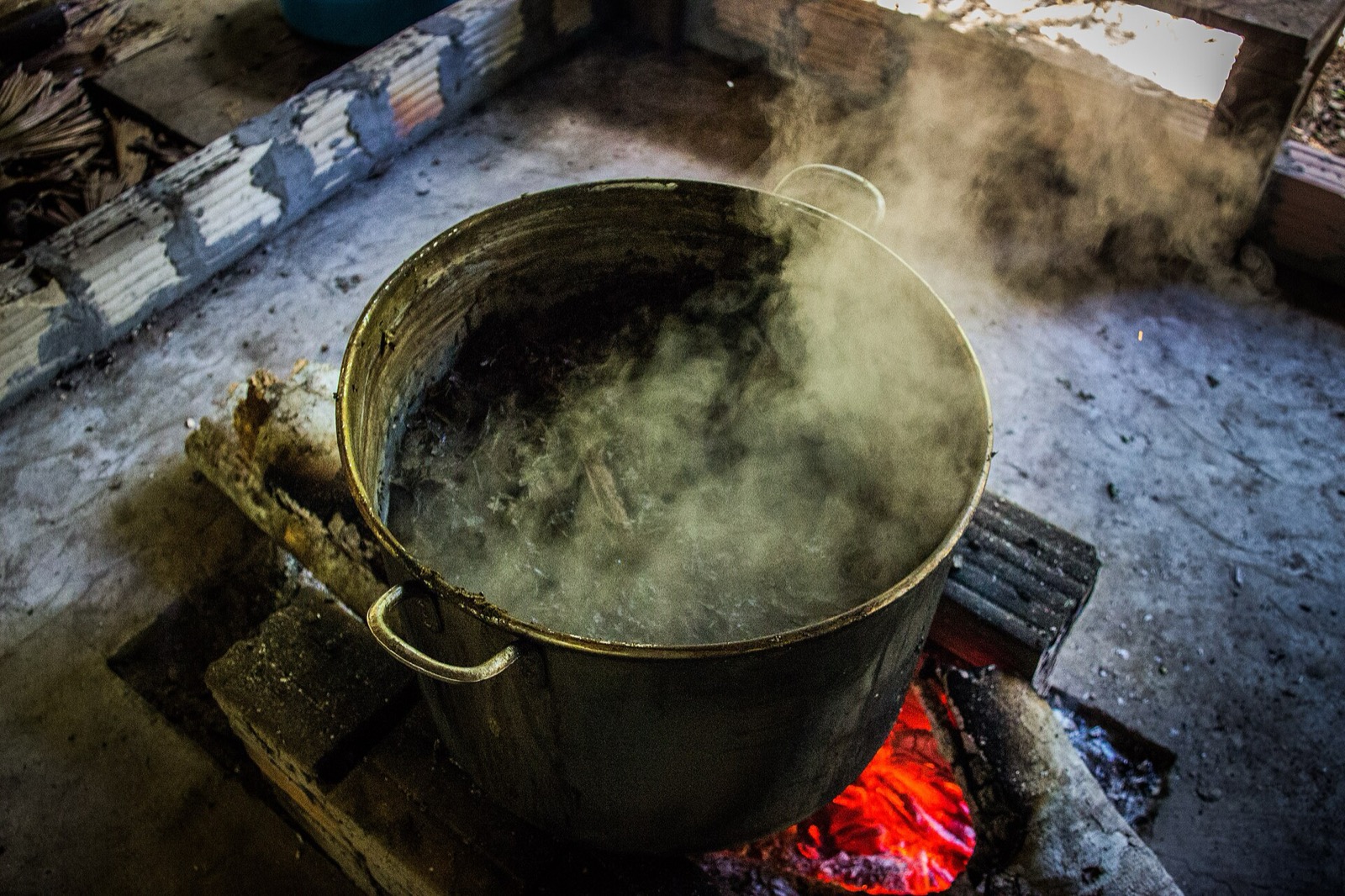
Richard Spruce's nineteenth-century account of caapi, aya-huasca, niopo, and paricá, based on field observations in the Uaupés, Orinoco, Rio Negro, Napo, and Pastasa regions. The excerpt records plant identifications, preparation methods, visual effects, ceremonial uses, and the role of payes in curing and divination.

Estudio sobre el principio activo del Yagé

Study on the Active Principle of Yagé

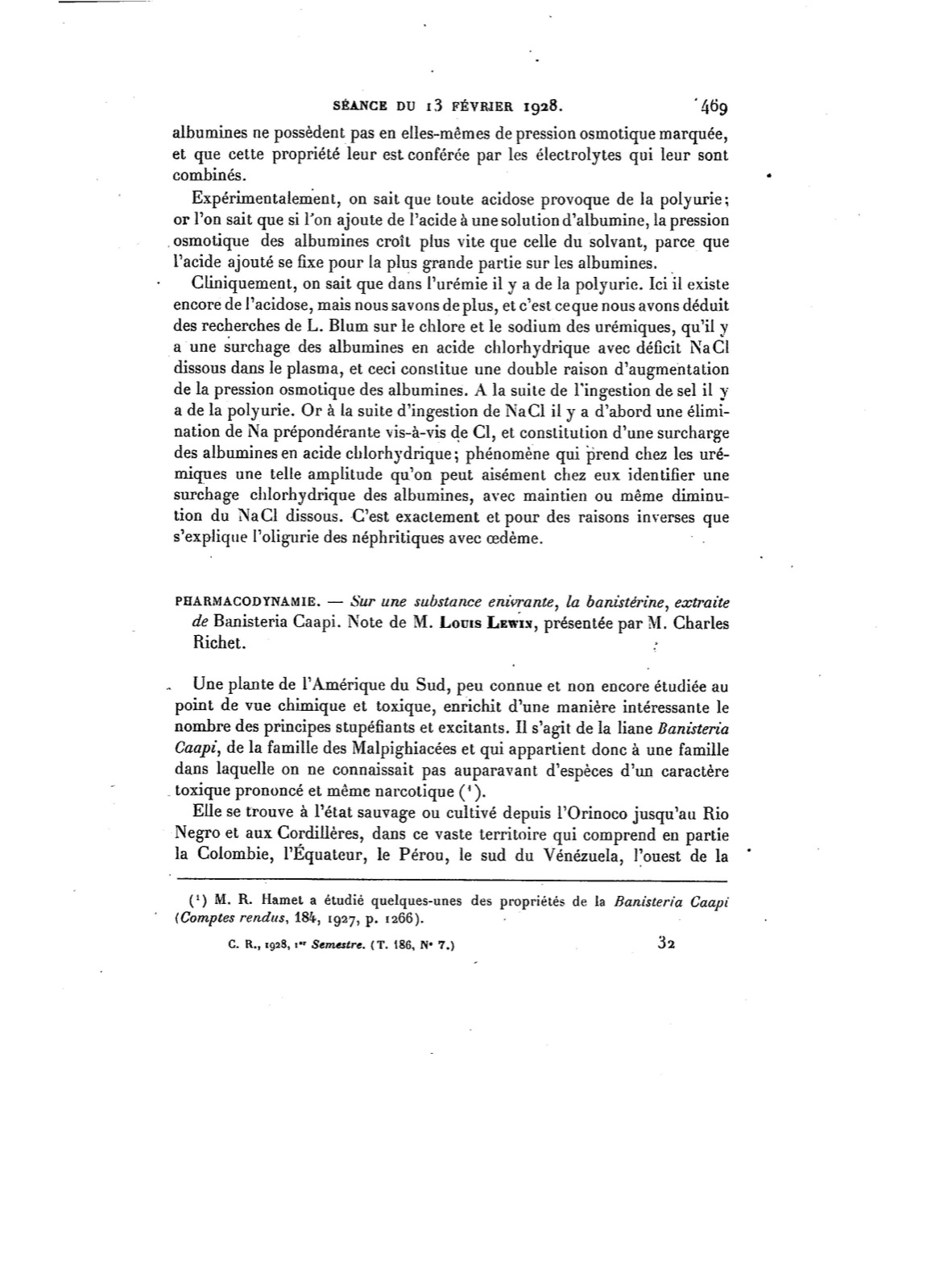
A 1923 doctoral thesis reporting Fischer Cárdenas's isolation of the yagé alkaloid that Rafael Zerda Bayón had named telepathine (telepatina) decades earlier without isolating it. Seven case reports detail effects on human subjects, including the author's self-experiment, describing vivid dreams, visual hallucinations, and euphoria at low doses, followed by a systematic summary of physiological action.