Back to topics

Topic

Religion

Browse primary sources, people, eras, and related themes connected to religion.

7
Sources
13
People
5
Eras
Ololiuhqui, Peyotl, and Teonanácatl in the Florentine Codex

Ololiuhqui, Peyotl, and Teonanácatl in the Florentine Codex

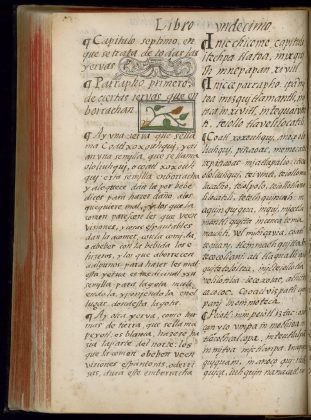
Sahagún’s Book 11 on herbs that intoxicate

Spanish entries from Book 11 of the Florentine Codex, the encyclopedia of Nahua life compiled by Bernardino de Sahagún and Nahua scholars at Tlatelolco around 1577. They describe ololiuhqui, peyotl, tlapatl, mixitl, and teonanácatl, plants and mushrooms that cause intoxication or visions, with an English translation made for the archive.

Ololiuhqui and Peyote in Idolatrías y supersticiones de los indios

Ololiuhqui and Peyote in Idolatrías y supersticiones de los indios

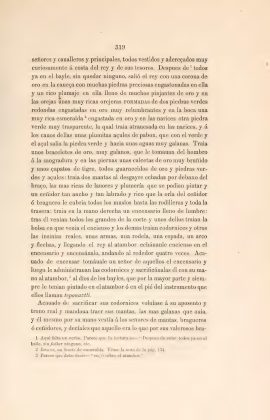
Colonial anti-idolatry texts on divination, healing, and visionary plants

A set of Spanish colonial anti-idolatry excerpts describing ololiuhqui and peyote as oracular substances used in healing, theft investigation, divination, and diagnosis of sorcery. The source preserves rare early descriptions of visionary plant practice while also showing how clerical authorities criminalized and demonized Indigenous ritual knowledge.

Caapi and Niopo in “On Some Remarkable Narcotics of the Amazon Valley and Orinoco”

Caapi and Niopo in “On Some Remarkable Narcotics of the Amazon Valley and Orinoco”

Richard Spruce on ayahuasca, yopo/paricá, and Amazonian medicine-men

Richard Spruce's nineteenth-century account of caapi, aya-huasca, niopo, and paricá, based on field observations in the Uaupés, Orinoco, Rio Negro, Napo, and Pastasa regions. The excerpt records plant identifications, preparation methods, visual effects, ceremonial uses, and the role of payes in curing and divination.

Nitrous Oxide and the Anaesthetic Revelation in The Varieties of Religious Experience

Nitrous Oxide and the Anaesthetic Revelation in The Varieties of Religious Experience

From the lecture on mysticism in William James's Gifford Lectures, delivered in Edinburgh in 1901–2. James argues that nitrous oxide and ether show "our normal waking consciousness" to be only one type among many, then quotes Blood and J. A. Symonds's chloroform experience. His notes add Xenos Clark's letter on the revelation and an Englishwoman's ether dream.