Back to topics

Topic

Indigenous knowledge

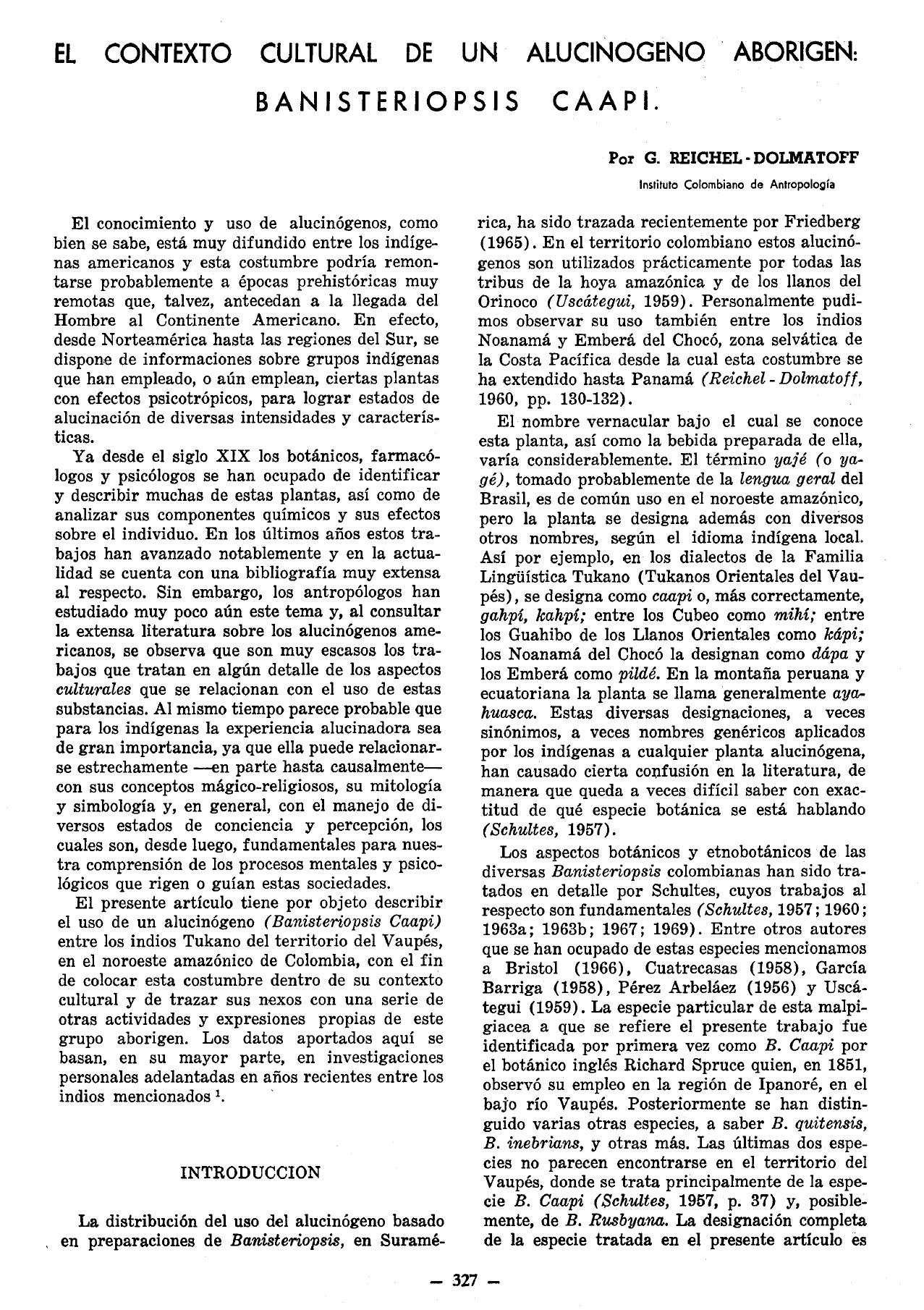
Indigenous practice and knowledge of psychoactive plants, including the outside records that describe it.
40
Sources
54
People
9
Eras
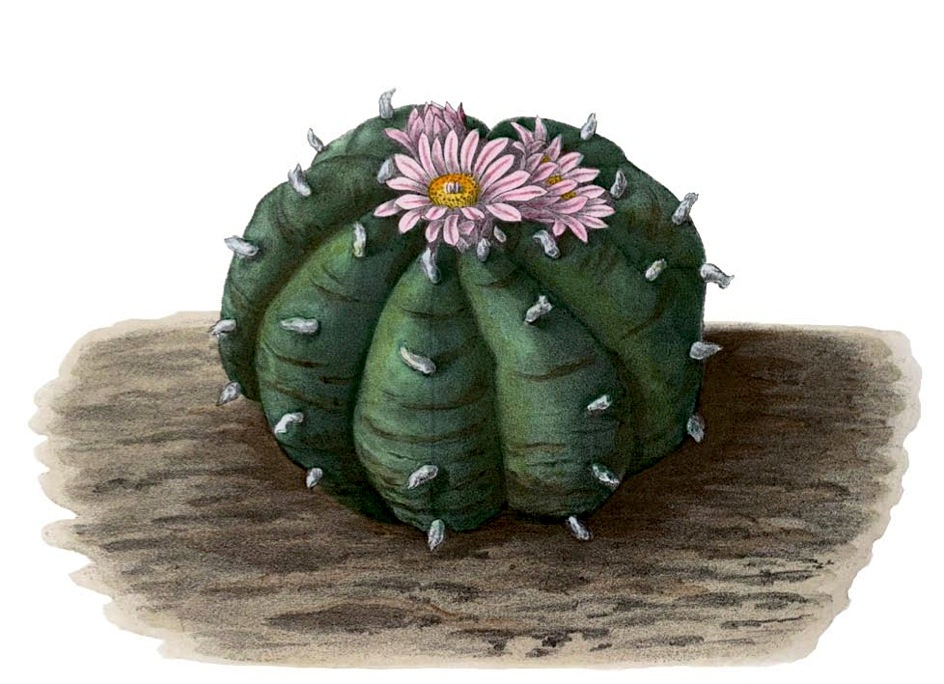
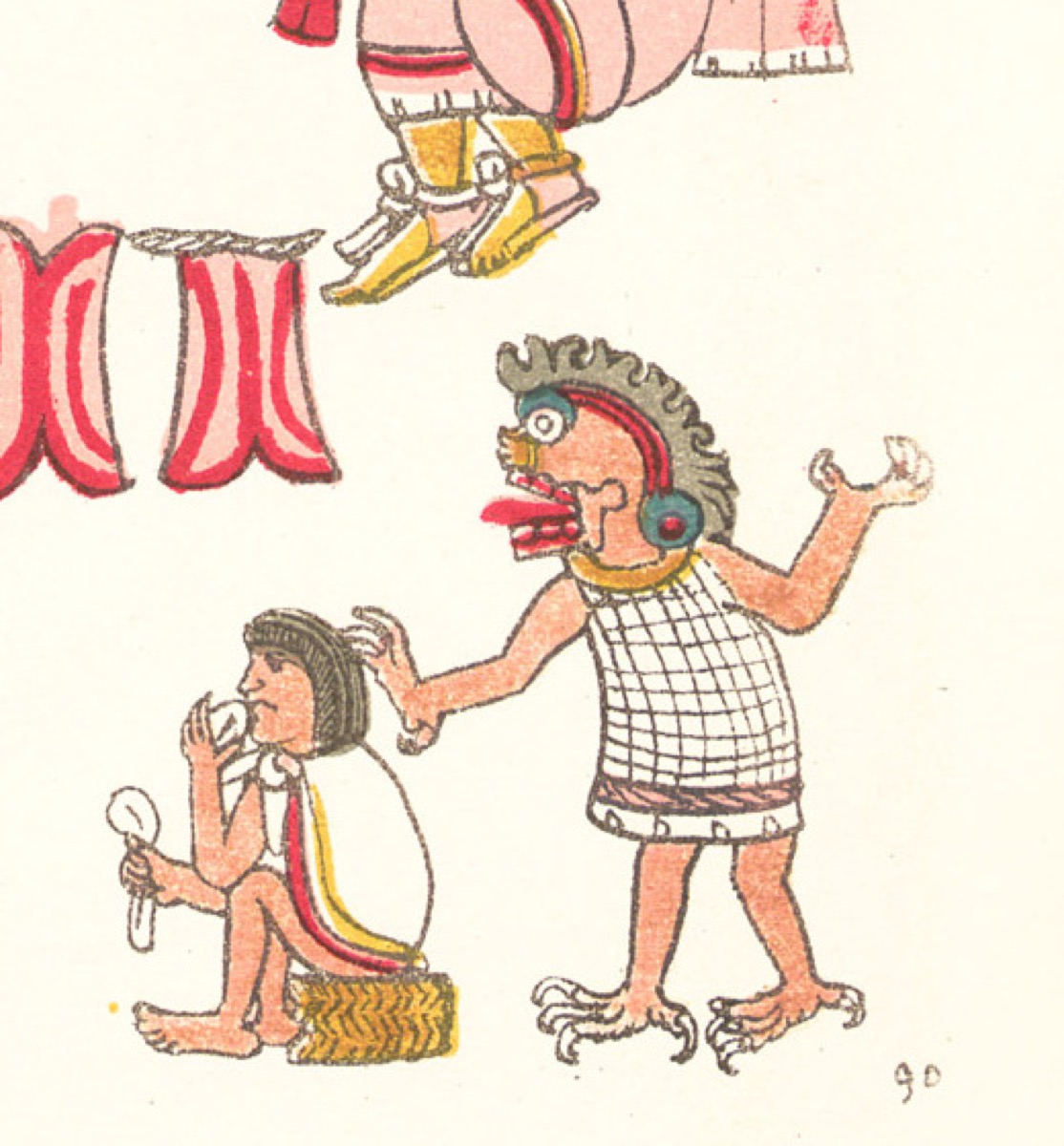
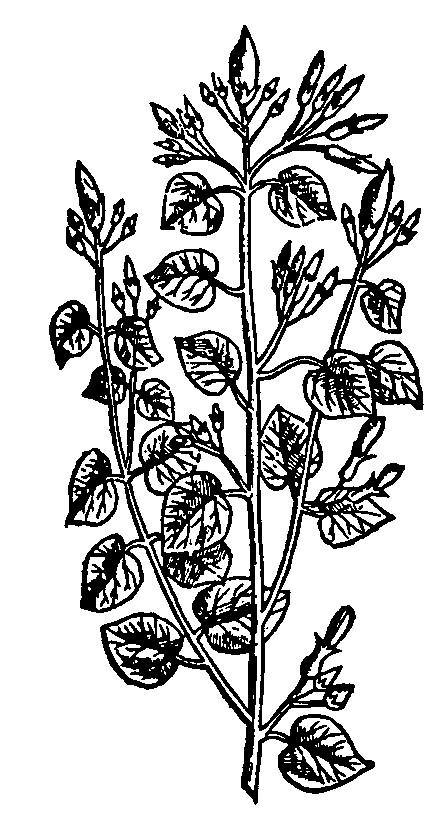
Ololiuhqui, Peyotl, and Teonanácatl in the Florentine Codex

Ololiuhqui, Peyotl, and Teonanácatl in the Florentine Codex

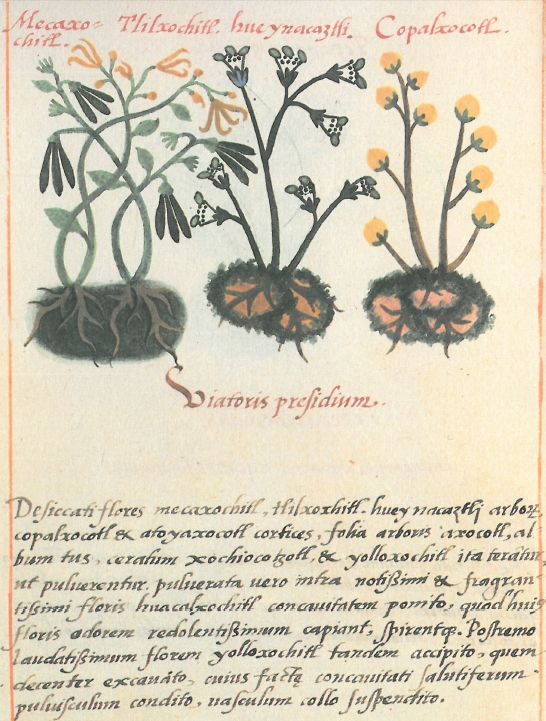
Sahagún’s Book 11 on herbs that intoxicate

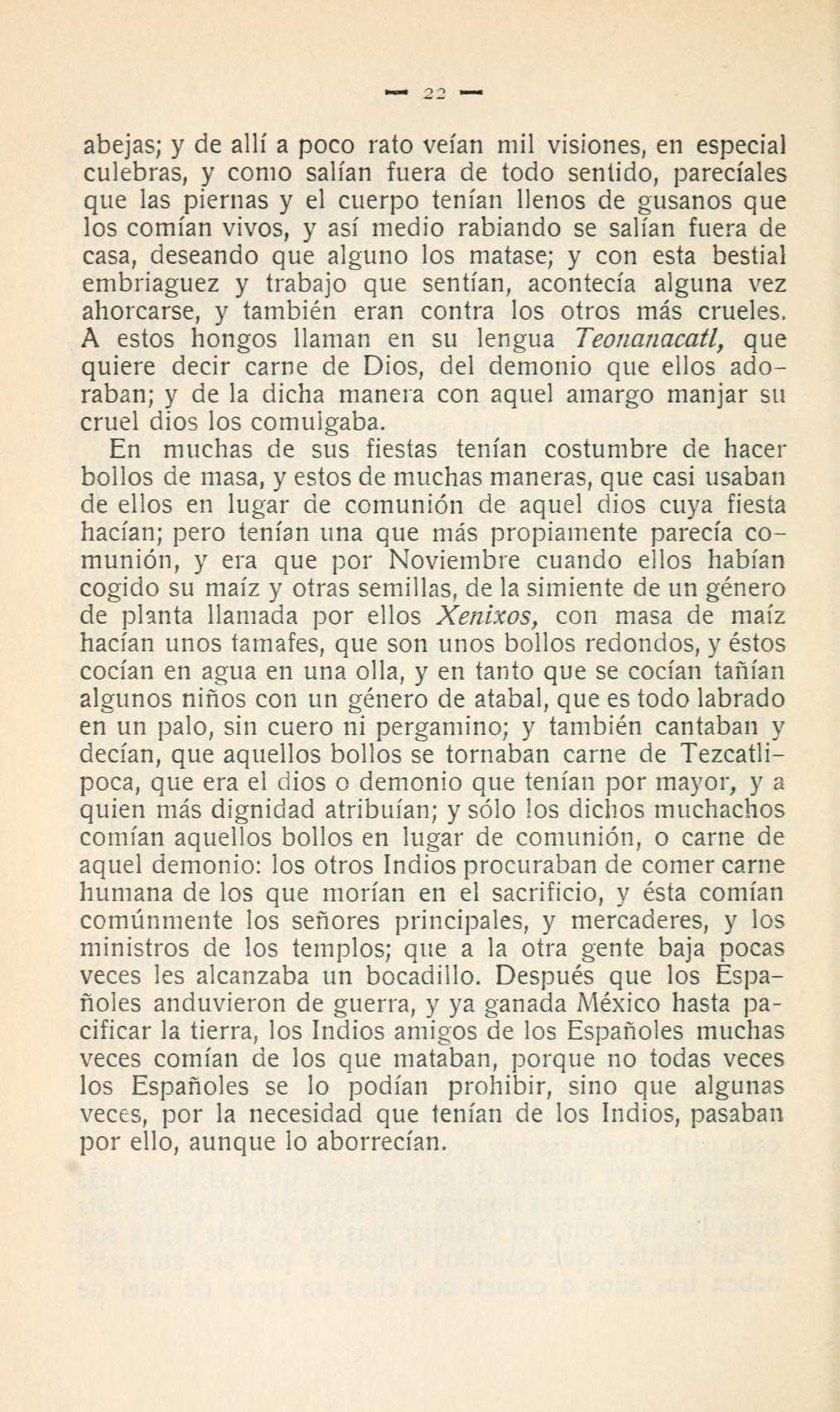
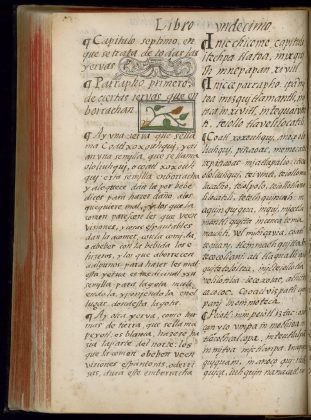
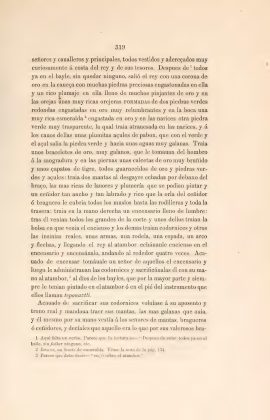
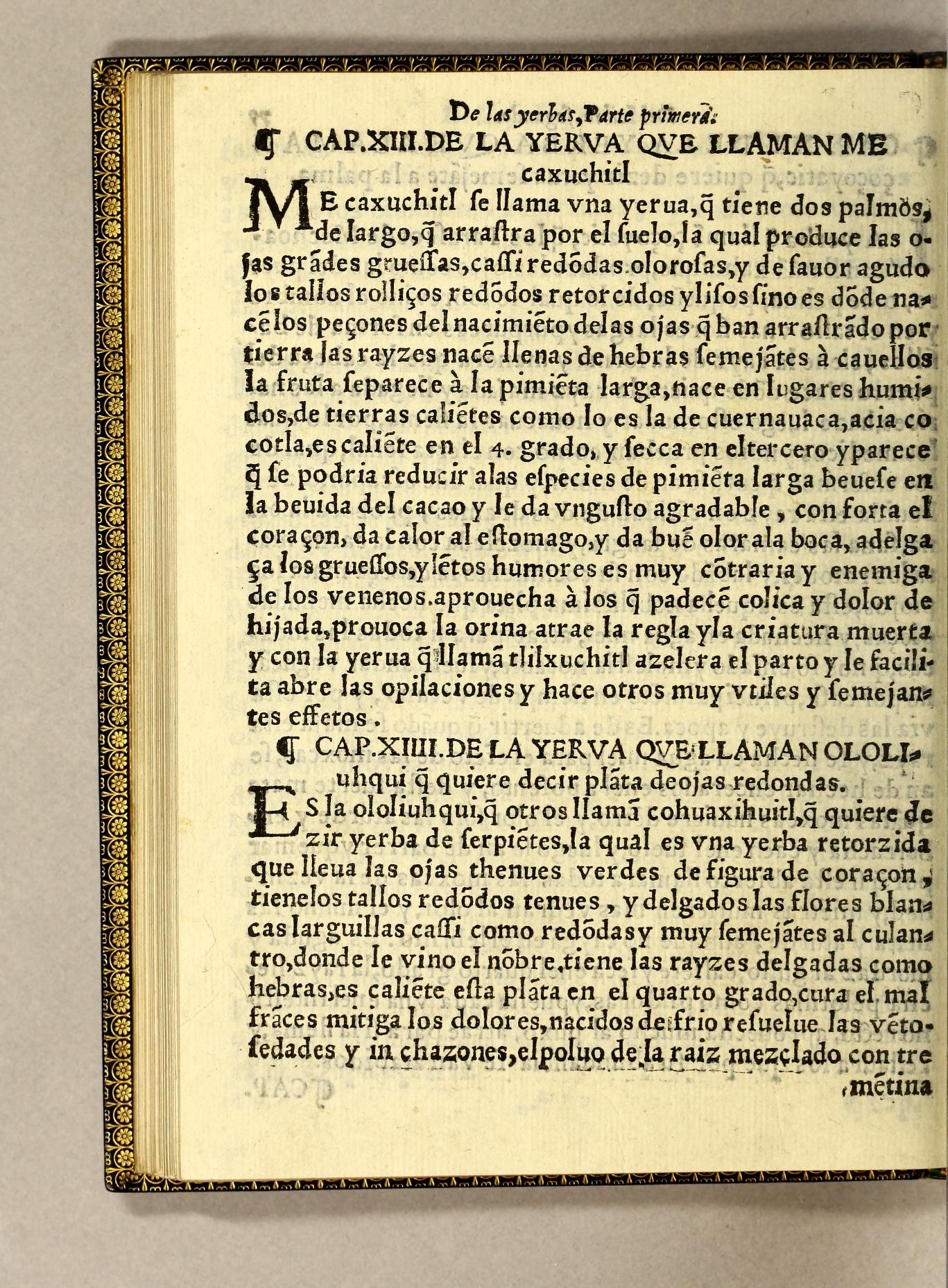
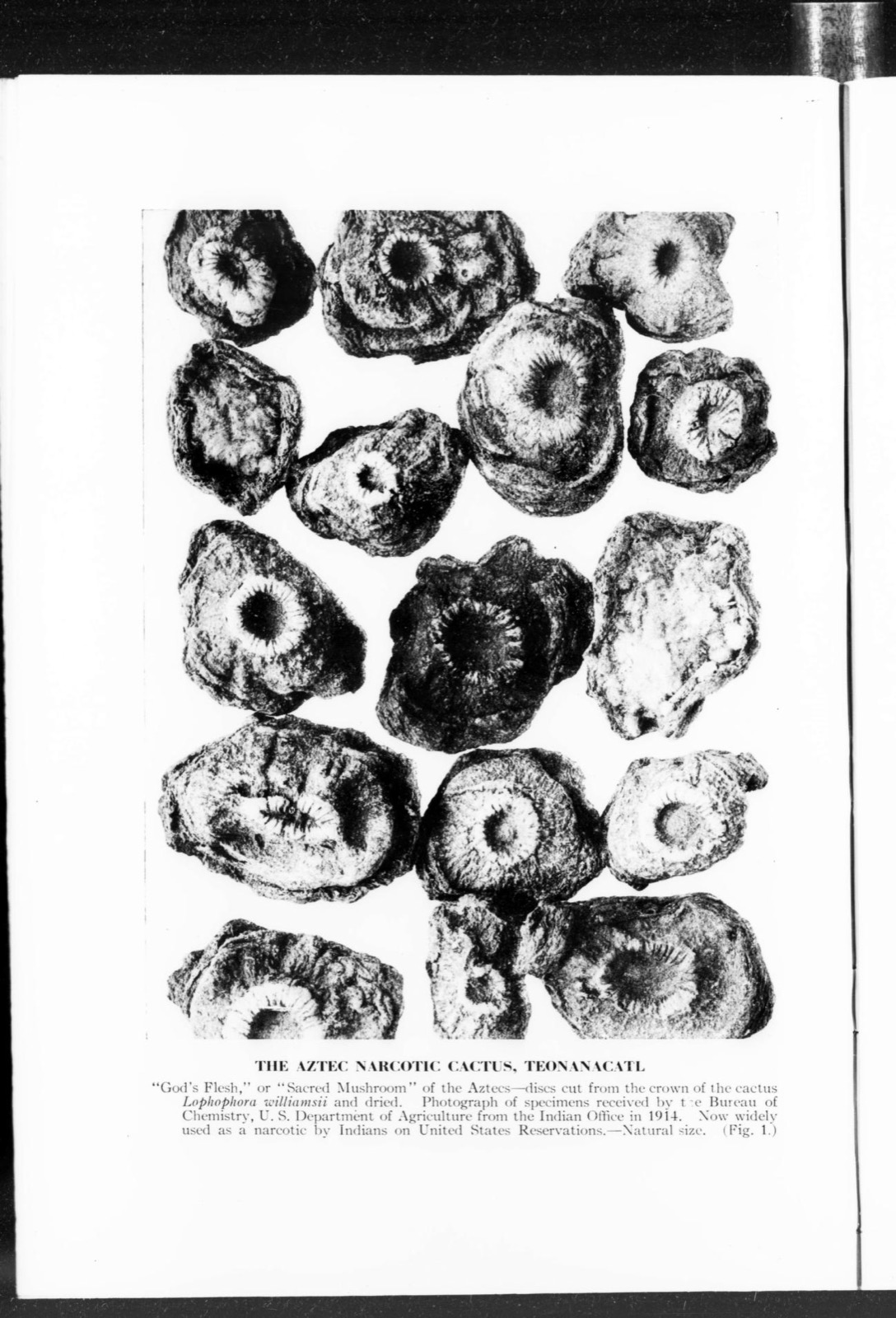
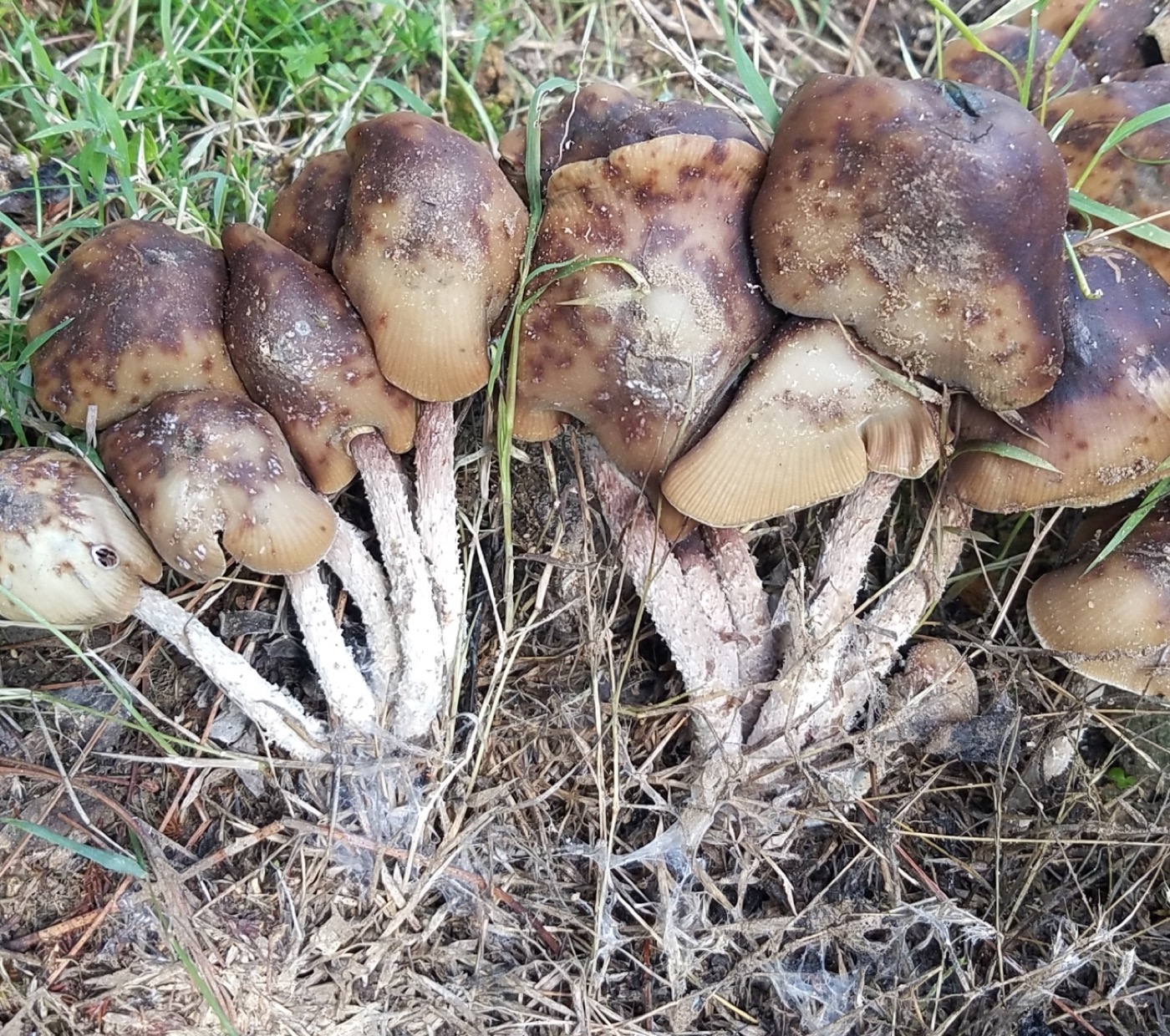
Spanish entries from Book 11 of the Florentine Codex, the encyclopedia of Nahua life compiled by Bernardino de Sahagún and Nahua scholars at Tlatelolco around 1577. They describe ololiuhqui, peyotl, tlapatl, mixitl, and teonanácatl, plants and mushrooms that cause intoxication or visions, with an English translation made for the archive.

Ololiuhqui and Peyote in Idolatrías y supersticiones de los indios

Ololiuhqui and Peyote in Idolatrías y supersticiones de los indios

Colonial anti-idolatry texts on divination, healing, and visionary plants

A set of Spanish colonial anti-idolatry excerpts describing ololiuhqui and peyote as oracular substances used in healing, theft investigation, divination, and diagnosis of sorcery. The source preserves rare early descriptions of visionary plant practice while also showing how clerical authorities criminalized and demonized Indigenous ritual knowledge.

Franz Xaver Veigl on Ayahuasca in Maynas

Franz Xaver Veigl on Ayahuasca in Maynas

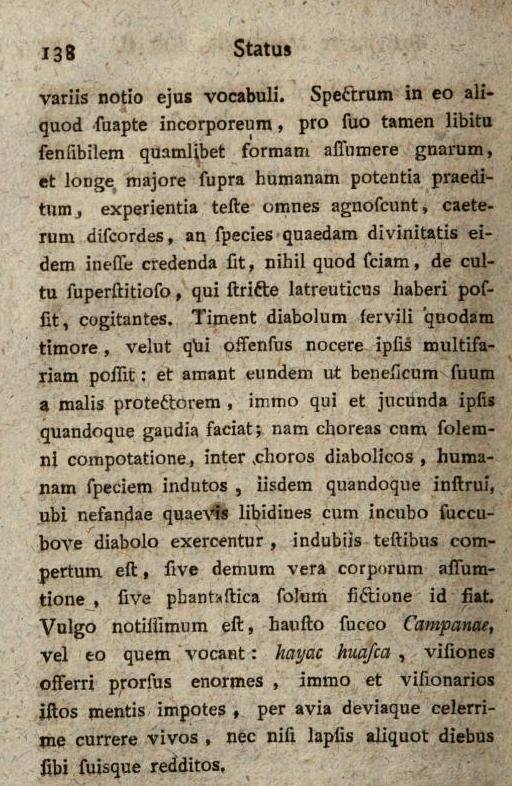
Franz Xaver Veigl, a German Jesuit who worked in the mission province of Maynas in the upper Amazon until the Jesuits were expelled in 1768, describes healers and visionary drinks there. He writes that people who drank "hayac huasca" saw "absolutely enormous visions" and seemed to travel far away, and, like other missionaries of his time, he treats this as dealings with the devil. English translation of Latin passages from his account of Maynas.

Caapi and Niopo in “On Some Remarkable Narcotics of the Amazon Valley and Orinoco”

Caapi and Niopo in “On Some Remarkable Narcotics of the Amazon Valley and Orinoco”

Richard Spruce on ayahuasca, yopo/paricá, and Amazonian medicine-men

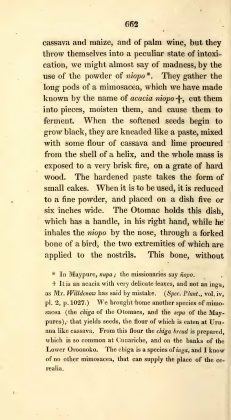
Richard Spruce's nineteenth-century account of caapi, aya-huasca, niopo, and paricá, based on field observations in the Uaupés, Orinoco, Rio Negro, Napo, and Pastasa regions. The excerpt records plant identifications, preparation methods, visual effects, ceremonial uses, and the role of payes in curing and divination.

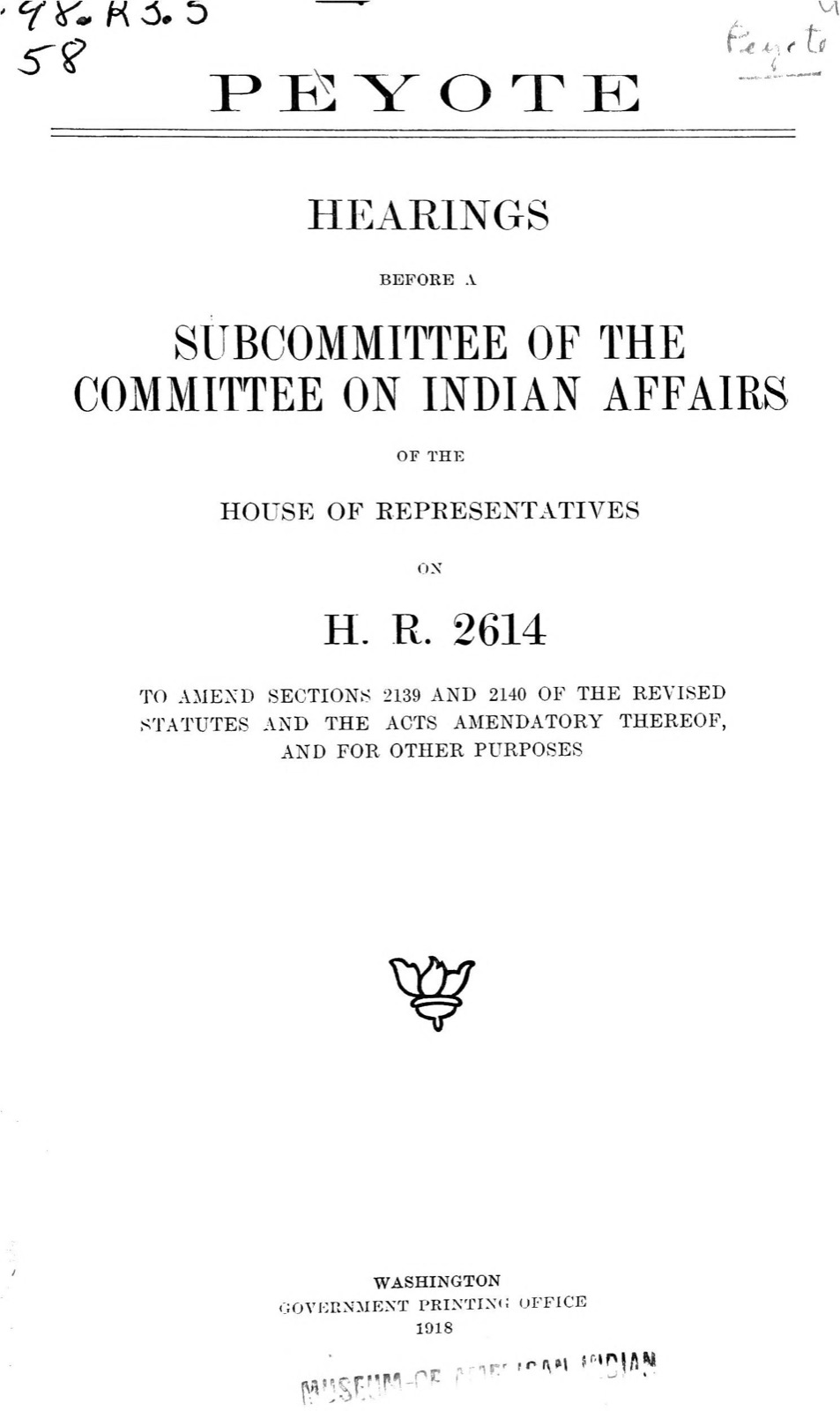
Peyote: Hearings Before a Subcommittee of the Committee on Indian Affairs, House of Representatives, on H.R. 2614

Peyote Hearings, H.R. 2614 (1918)

Hearings Before a Subcommittee of the Committee on Indian Affairs, House of Representatives, on H.R. 2614

A subcommittee of the House Committee on Indian Affairs held February-March 1918 hearings on H.R. 2614, a bill to prohibit peyote use in Indian Country. Witnesses included ethnologist James Mooney, Osage chief Fred Lookout, Omaha ethnographer Francis La Flesche, Arapaho delegate Cleaver Warden, and Cheyenne-Arapaho Paul Boynton.

The Elements of Mazatec Witchcraft

The Elements of Mazatec Witchcraft

A Berkeley anthropologist's field survey of Mazatec witchcraft from a 1938 expedition to Huautla de Jiménez, Oaxaca. Hosted here is a fair-use excerpt: Johnson's eyewitness account of a curing ceremony he and his party attended on July 16, 1938 -- the first outsider-witnessed session involving the sacred mushrooms -- along with his description of the mushroom species and their ritual use among Mazatec brujos.

External source
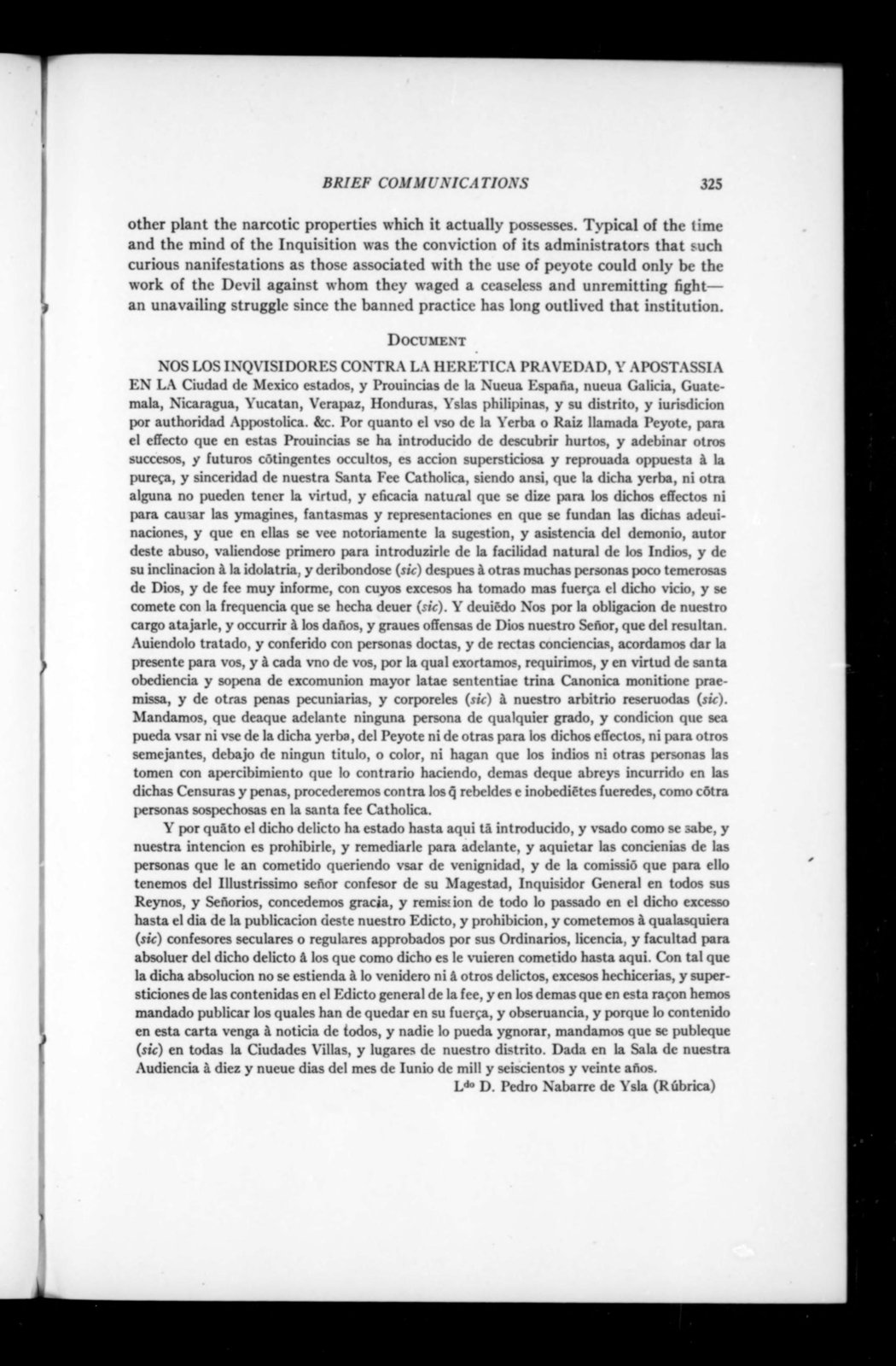
Edict of the Mexican Inquisition Prohibiting the Use of Peyote (1620)

Inquisition Edict against Peyote

An edict of the Mexican tribunal of the Holy Office, issued in Mexico City on 19 June 1620 over the signature of Licenciado Pedro Nabarre de Isla, prohibiting the use of peyote to discover thefts and divine hidden or future events. The inquisitors deny the plant any natural power to produce visions, attribute them to the devil, threaten users with excommunication and proceedings as suspects in the faith, and pardon use before the edict's publication. The Spanish text is hosted as printed by Irving A. Leonard (1896–1996) in American Anthropologist in 1942, with a new English translation.

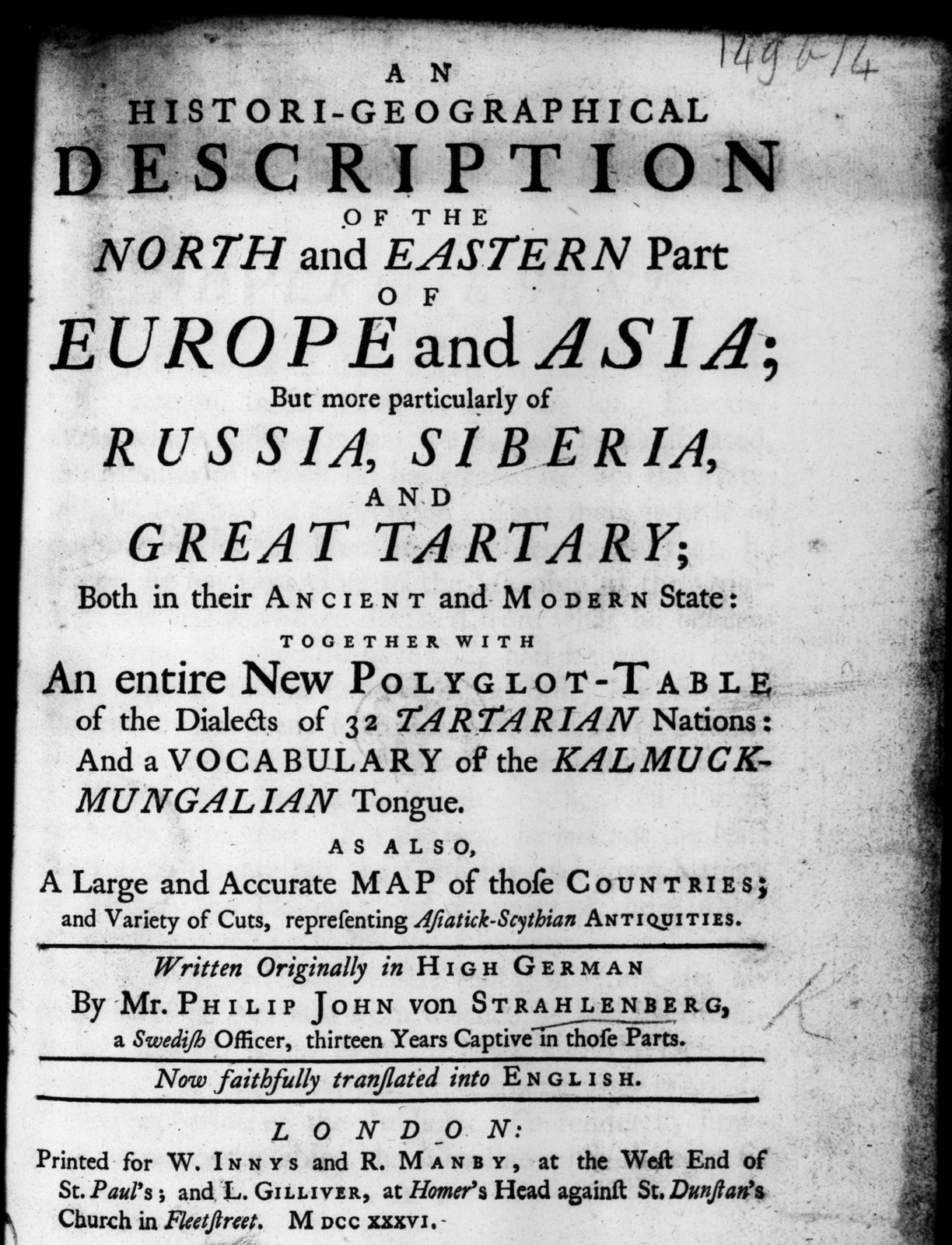
An Histori-Geographical Description of the North and Eastern Part of Europe and Asia: "Koræiki"

Strahlenberg on the Koryaks and Fly-Agaric

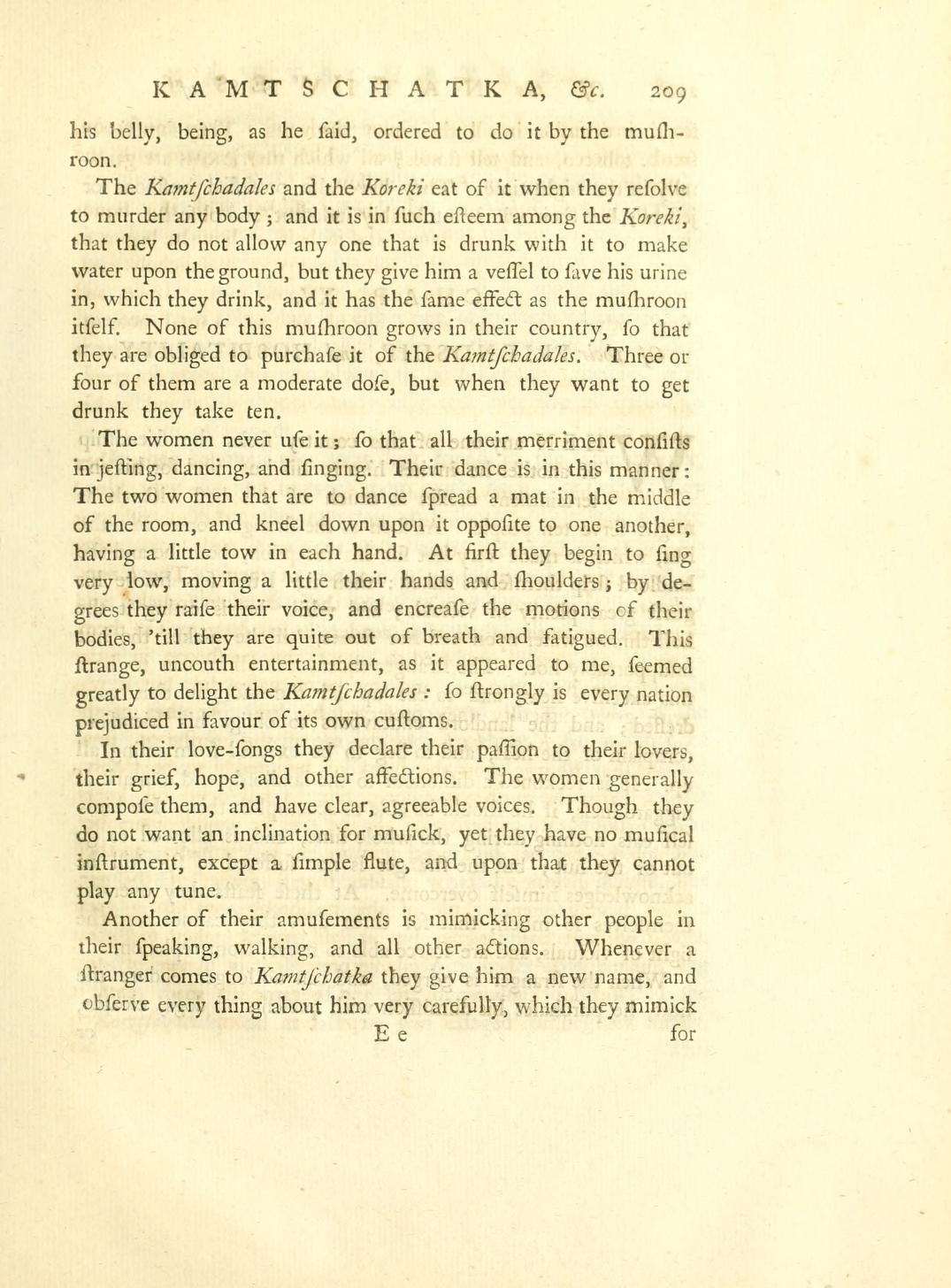
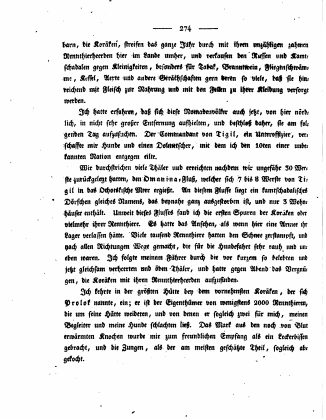
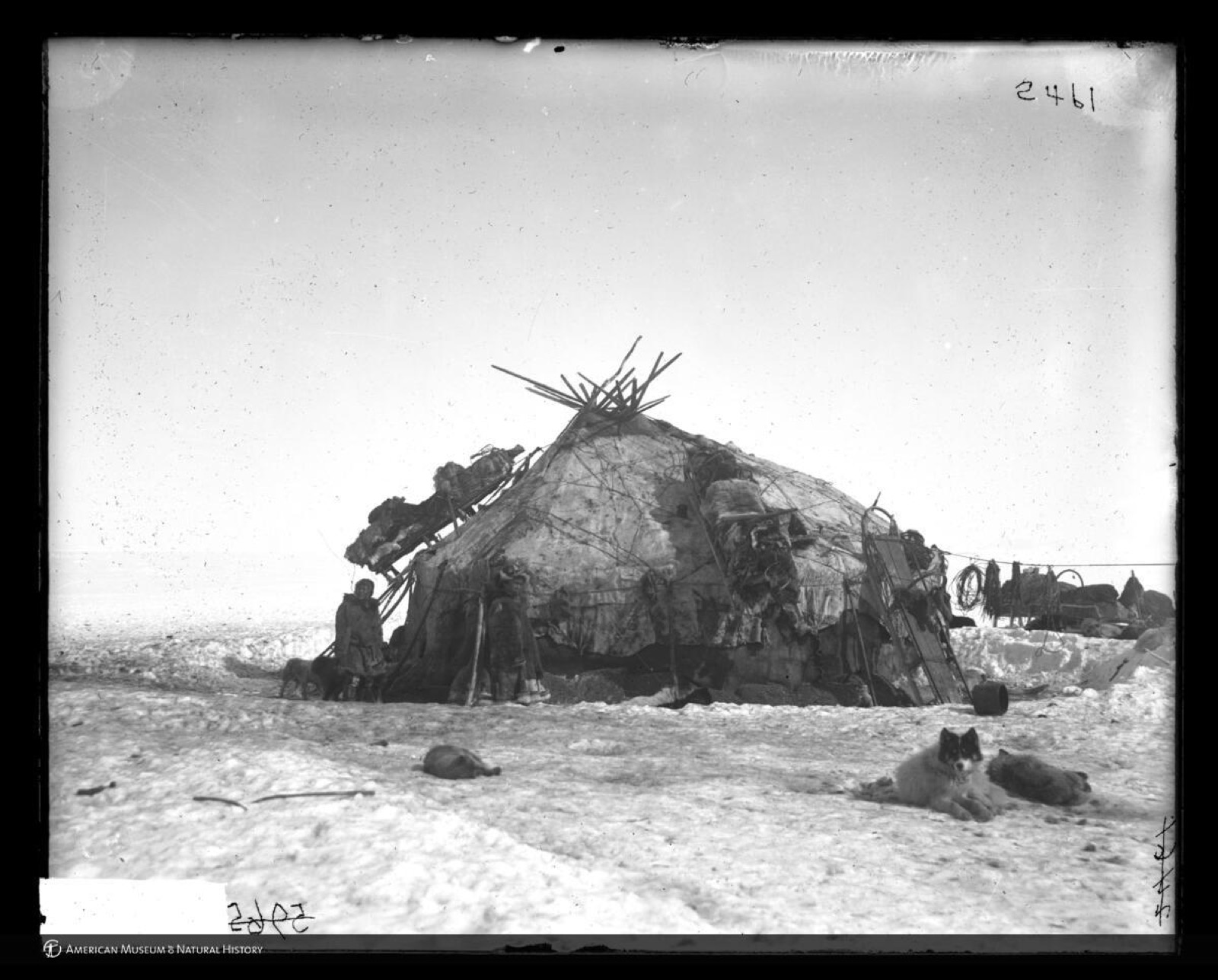
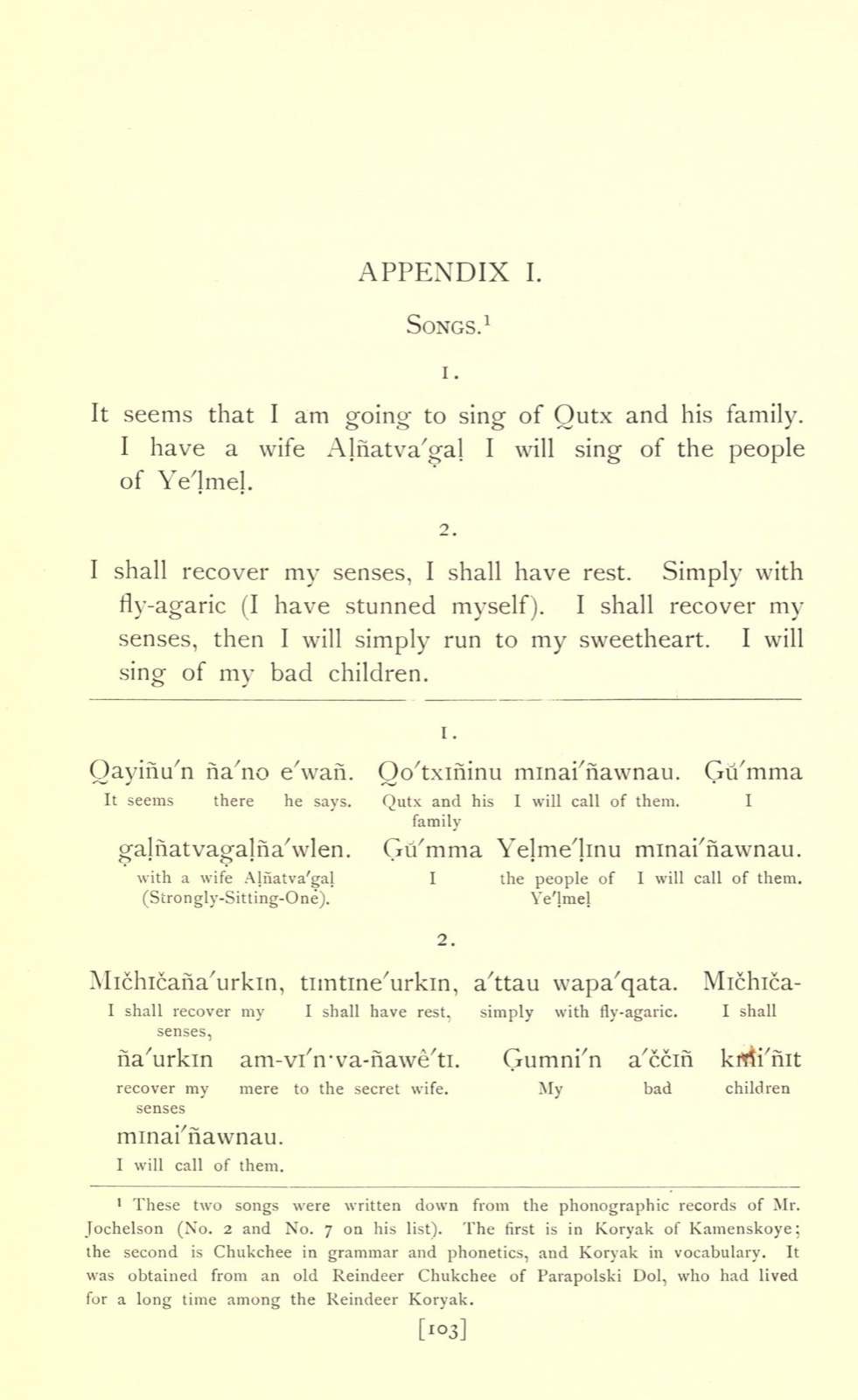
The entry "Koræiki" from the anonymous 1736 London translation of Das Nord- und Ostliche Theil von Europa und Asia (Stockholm, 1730) by Philip Johan von Strahlenberg (1676–1747), a Swedish officer captured at Poltava who spent over a decade as a prisoner in Siberia. Strahlenberg reports that Russian traders exchanged the mushroom Muchumor for Koryak furs, that wealthy Koryaks boiled it and drank the liquor at feasts, and that the poor drank the urine of intoxicated guests to share the effect. The full entry is hosted from pp. 396–97 of the 1736 printing.

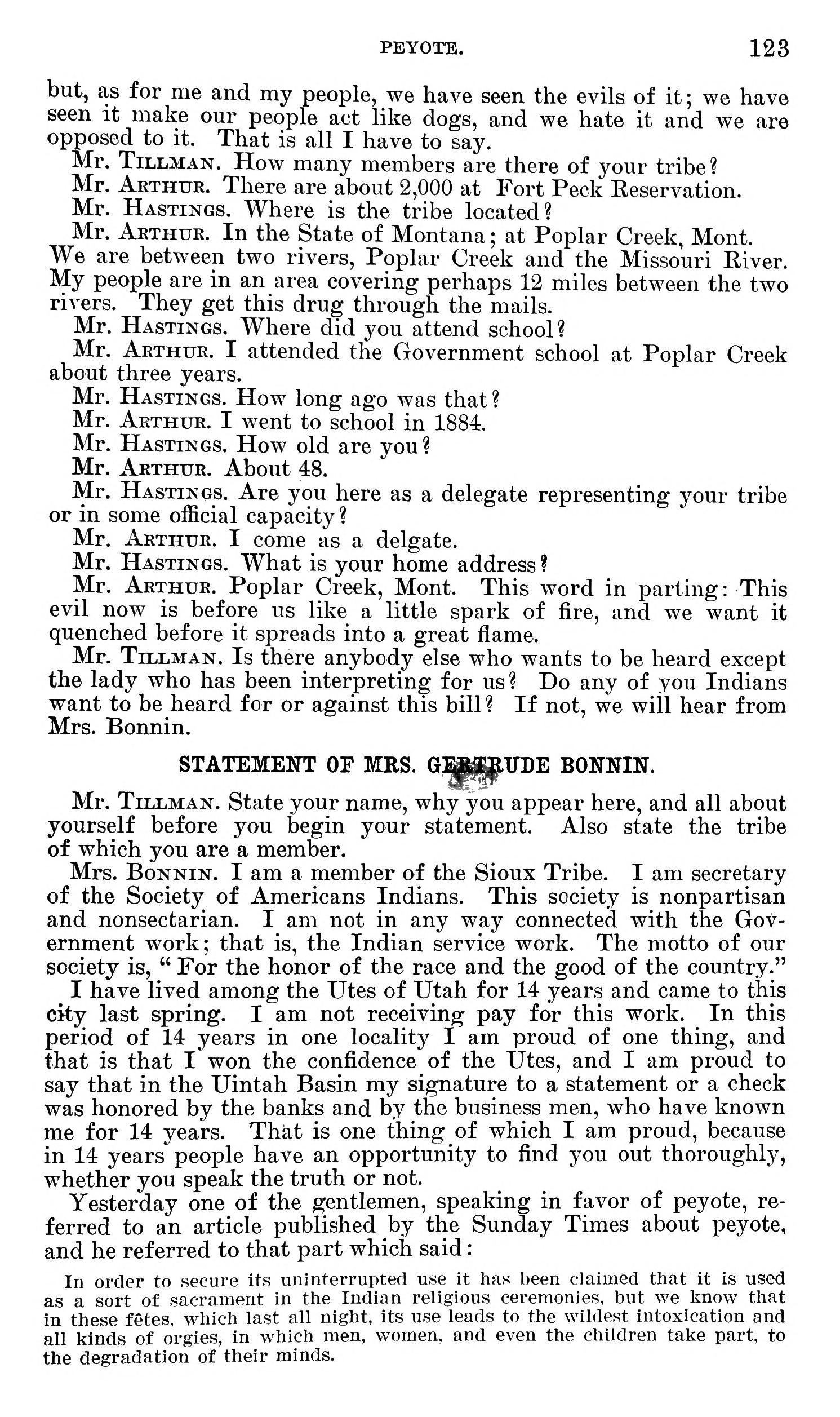
Testimony of Gertrude Bonnin (Zitkála-Šá) against Peyote, House Indian Affairs Subcommittee Hearings on H.R. 2614

Zitkála-Šá Peyote Testimony (1918)

Gertrude Simmons Bonnin (Zitkála-Šá, 1876–1938), the Yankton Dakota writer and secretary of the Society of American Indians, testified against peyote on February 22, 1918, before the House Indian Affairs subcommittee considering H.R. 2614, a bill to prohibit peyote among Indians. Drawing on her fourteen years among the Utes of the Uintah Basin, she described deaths, sexual misconduct, and fraud by the peyote missionary Peter Phelps, and she disputed the ethnologist James Mooney (1861–1921), who had ridiculed her newspaper photograph the day before. The record hosts her statement and cross-examination in full, her additional statement, the signed statements she co-authored, and the passages by Mooney and Cleaver Warden that answer her.